
First they came for.
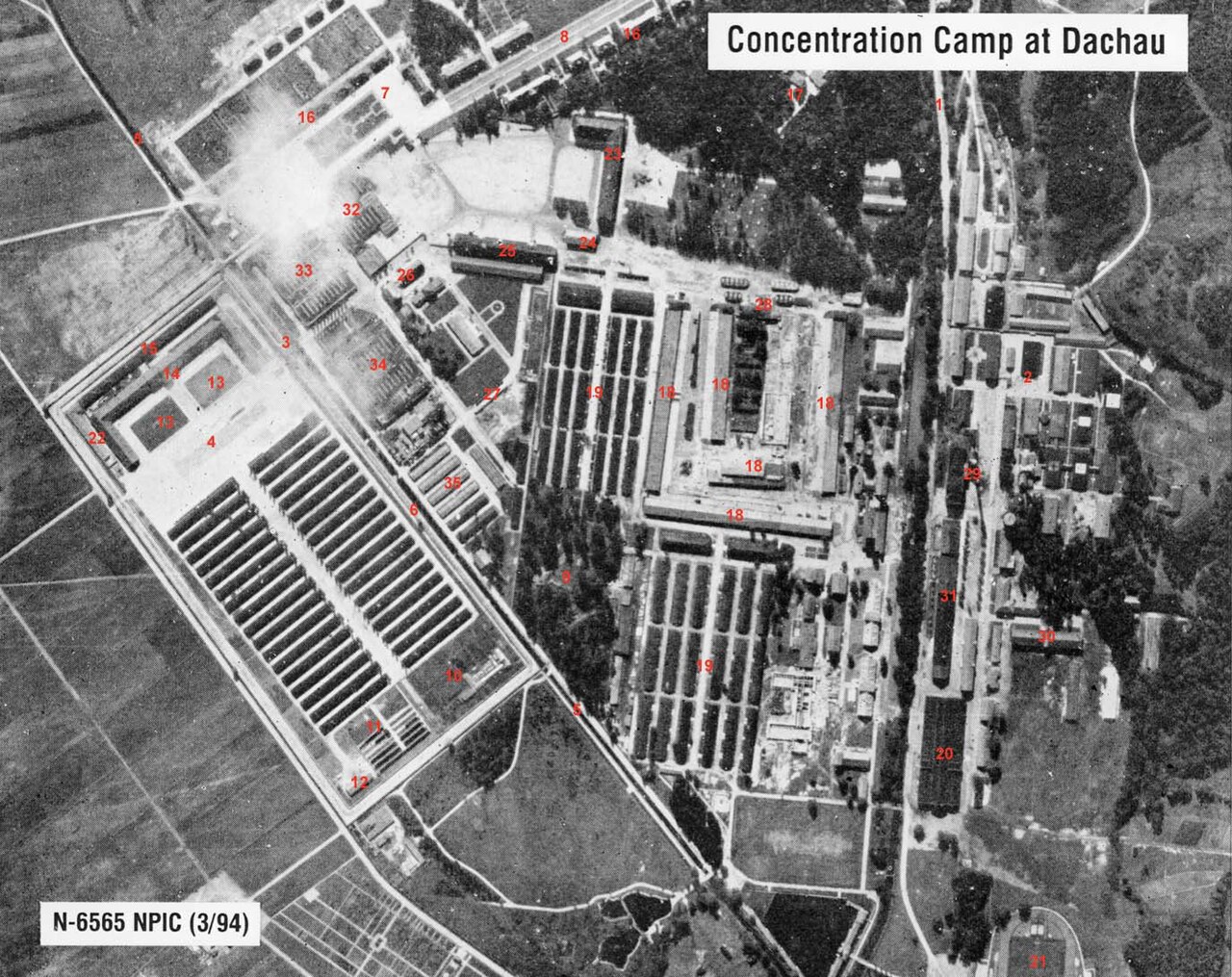
On 22 March 1933, the Dachau concentration camp was opened in Nazi Germany to house political prisoners and dissidents of the state.
It expanded to include forced labour. It further increased to intern Jews, Romani, Germans, and Austrians that the Nazi Party regarded as criminals, and, finally, foreign nationals from countries that Germany occupied or invaded.
The Dachau camp system grew to include nearly 100 sub-camps, which were mostly work camps or Arbeitskommandos, and were located throughout southern Germany and Austria. The main camp was liberated by U.S. forces on 29 April 1945.
First they came for the socialists, and I did not speak out—because I was not a socialist.
Then they came for the trade unionists, and I did not speak out—because I was not a trade unionist.
Then they came for the Jews, and I did not speak out—because I was not a Jew.
Then they came for me—and there was no one left to speak for me.
—Martin Niemöller (1892–1984)
At least 25,613 prisoners are believed to have been murdered in the camp and almost another 10,000 in its subcamps, primarily from disease, malnutrition and suicide. The Dachau Memorial Site archive has documented 32,000 deaths at the camp, but thousands more are undocumented. Crematoria were constructed to dispose of the deceased.
In the postwar years, the Dachau facility served to hold SS soldiers awaiting trial. It was finally closed in 1960.

Leave a Reply