
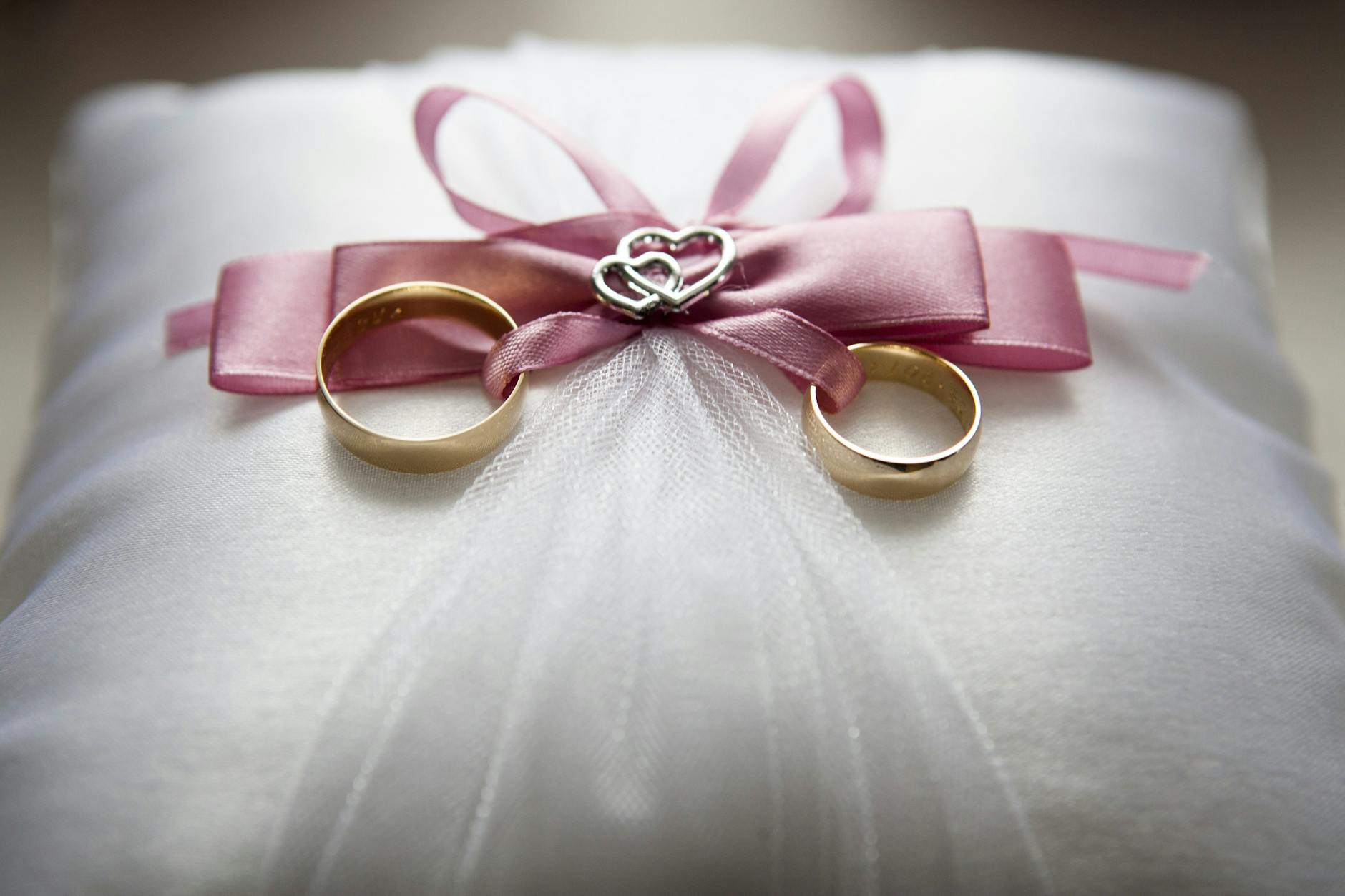
The summer months are traditionally a very busy time for weddings with many couples choosing the prospect of better weather to tie the knot. But sometimes great events can change those traditions – how has the marriage ceremony changed over the decades in Scotland ?

During the restrictions imposed during the first weeks of the Covid pandemic in 2020, weddings, like funerals, were restricted to small numbers. Then from March 23rd weddings were prohibited from going ahead – other than in exceptional circumstances – for an initially indeterminate period.
Couples in Scotland were able to marry outdoors from 29 June, provided that the gathering comprised no more than eight people from a maximum of three households. Ceremonies could be held indoors from 15 July, subject to specified restrictions including their taking place ‘in a safe environment where the appropriate consideration has been given to reducing and avoiding the risk of transmission’ and being ‘concluded in the shortest reasonable time’. – The effect of the COVID-19 pandemic on weddings
As a result many couples postponed their weddings. It led to a surge in marriages in 2021 and 2022 in Scotland.
“There were 30,033 marriages in Scotland in 2022, 24% higher than in 2021 and the highest number since 2012. Aside from the 103% rise in 2021 mainly due to COVID restrictions in relation to weddings in 2020, the only comparable year on year rises were in the post-war years (28% in 1919 and 31% in 1945).” National Records of Scotland
“Only the two world wars have had more impact on the number of marriages taking place,” explained NRS Head of Vital Events Statistics, Daniel Burns.

The figures for Orkney followed this trend to some extent: 2019, 77 marriages; 2020, 53 marriages; 2021, 115 marriages; and 2022: 98 marriages.
Scotland’s changing Marriage Laws
On 1st of July 1940 Scotland’s marriage laws changed abolishing the ‘regular’ and ‘irregular’ terms. From that day Civil Marriages came into being with the Marriage (Scotland) Act 1939. A new classification of marriage came into force as either religious or civil. The Religious Service had to be conducted according to the forms of either the Christian or the Jewish faith.
In 1940 the Civil Marriage ceremony took place in the office of an authorised Registrar and required the same notice of Banns as the Religious ceremony – each of the parties had to give notice of the intended marriage in the parish/district in which she/he had lived for at least 15 days. If there was no objection raised after 7 days then the marriage could take place.
In Orkney there were official Registrars in 1940 in: Kirkwall, W. B Hourston & assistant J. Smith; Sanday, R.F. Muir; St Margaret’s Hope, H.M. Mackenzie; Stromness, R.S. Robertson; Stronsay, J.P. Sinclair; Longhope, J.M. F. Groat; and Westray, R.H. Robertson. The fee payable was 5 shillings and if an extract of the marriage entry was wanted, an additional fee of 2 shillings and 1 penny was required. Today the main registration office for Orkney is based in the Council Offices, School Place, Kirkwall.
As this all came into effect during wartime there were changes passed in the UK Parliament to make it easier for both Civil and Religious Marriages. This applied to members of the Forces, but also included nurses, fishermen, and merchant seaman. It shortened the period of notification to 1 day and could be based on the residence of one of those getting married. It recognised that those serving would not be residing in their home towns and communities.
Changes were then made with The Marriage (Scotland) Act 1977. From 1 January 1978 Religious ceremonies now included other major Faiths. The calling of Banns was stopped and instead a Marriage Notice form was completed and returned to the District Registrar for the area in which the marriage was to take place , irrespective of where they live. Notice had to be given in the three-month period prior to the date of marriage and not later than 29 days before the date of marriage.
More changes took place with The Marriage (Scotland ) Act 2022. Civil Marriages could now take place in places approved by the Local Authority. The Marriage and Civil Partnership (Scotland) Act 2014 introduced marriage for same sex couples and The Civil Partnership (Scotland) Act 2020 made civil partnership available to mixed sex couples in Scotland. In Orkney there were 2 Civil Partnerships in 2021, and 6 in 2022. In Scotland as a whole there were 630 civil partnerships registered in 2022, the highest number since 2007. The majority of civil partnerships in Scotland were mixed sex (84% in 2022). Civil Partnerships can be changed to a Marriage.
Some things, however, have remained the same. The minimum age to get married in Scotland is 16 ( England and Wales it is 18). And people still travel to Gretna Green to get married – 4,345 in 2022 – of whom 3,759 were not resident in Scotland .
Before 1929, Scots law followed Roman law in allowing a girl to marry at twelve years of age and a boy at fourteen, without any requirement for parental consent. However, according to one early 20th-century source, marriage in Scotland at such young ages was in practice almost unknown. No doubt if marriages between children had become common, there would have been public pressure to raise the legal minimum age of marriage earlier than 1929. The Age of Marriage Act 1929 (applying in Scotland, England & Wales but not in Northern Ireland) made void any marriage between persons either of whom was under the age of sixteen. I Want to Get Married in Scotland. How Do I Go About It?
You can find out more here: I Want to Get Married in Scotland. How Do I Go About It?


Leave a Reply