

No one in Scotland that heard energy costs would be coming down due to the recent UK Budget will be celebrating much, as we soon discovered that a massive programme of grid upgrades across the UK will be adding to bills.
While there was a promise in the Budget that bills will come down by around £150, this won’t touch the sides for many households relying on electric heating, with bills upwards of £3000 annually.
And although Ofgem’s £28 billion grid investment was dressed up as something to celebrate, it is estimated to add £108 to bills by 2031.
It also illustrates the extractive nature of the Union. The new infrastructure being built will take from energy-rich Scotland, but households here won’t see cheaper bills as a result.
Add to that the impact of scrapping the Energy Company Obligation, and this means a real terms reduction in the funding available for vital energy efficiency measures, which will be felt most heavily in colder Scotland. Energy Action Scotland Chief Executive Frazer Scott underlined that the Budget has not shifted the dial on affordable energy and highlighted specific concerns about the end of ECO funding.
He said the loss of ECO ‘reduces spending in Scotland by £400-500million to 2030 on energy efficiency improvements. Something like 25,000 homes.’
Similarly, there was still no news on a Social Energy Tariff, which is seen as crucial by many experts in making energy prices affordable for more folk, and allowing them to heat their homes to a comfortable level.
We already know, after the latest energy price cap was announced, that folk in Orkney and across the Highlands and Islands that rely on electricity for their heating will be paying 5% more come 1st January 2026, with a 2% increase in the electricity standing charge. This will only push more Orkney households into fuel poverty at a time of year folk need heating the most.
I recently asked First Minister John Swinney how much households could expect to save under a social tariff, and what engagement the Scottish Government is undertaking to make a social tariff a reality for those who need it most, including those in the Highlands and Islands.
The First Minister was able to assure me that they shared the final report of the social tariff working group with the UK Government in March this year, asking it to act on the recommendations.
If implemented, around 660,000 households in Scotland would see their bills go down by an average of £700 under a targeted bill discount, lifting more than 150,000 households out of fuel poverty.
The silence on this from the UK Labour government is deafening, leaving so many out in the cold. Their lack of ambition to bring bills down, address energy efficiency, or introduce fairer tariffs is shameful.
In energy-rich Scotland, nobody should be struggling to pay their bills. An independent Scotland will take real action to make Scotland’s energy work for Scotland’s people bringing energy bills down for everybody.
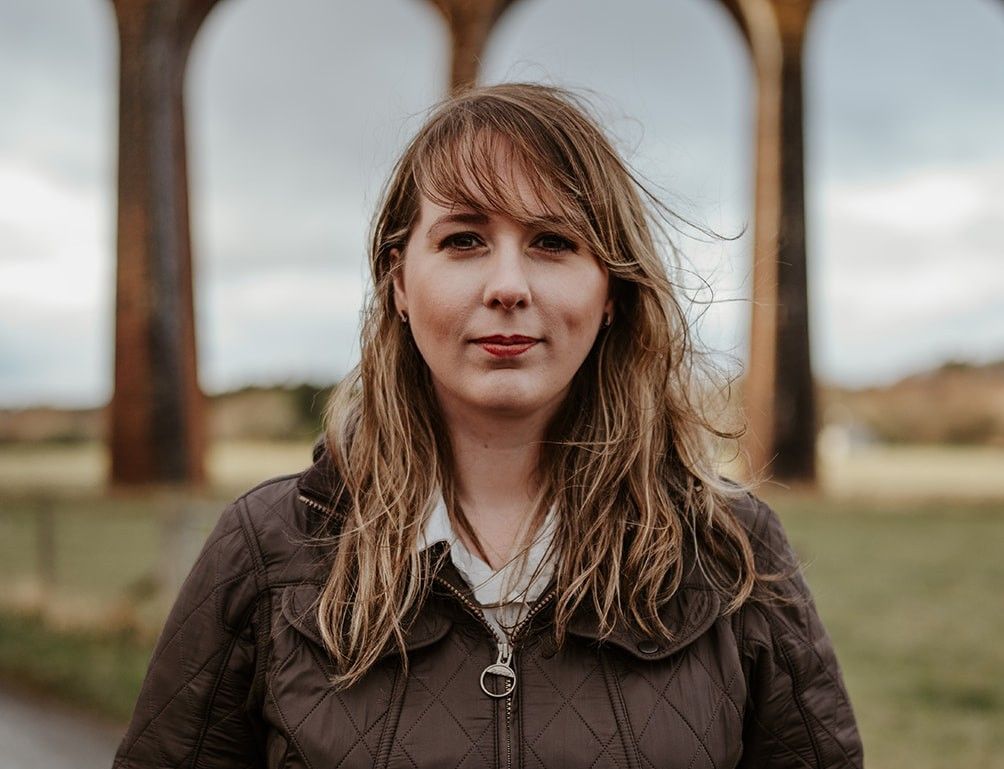
This is a regular column by SNP MSP Emma Roddick. All Highlands and Islands MSPs have been offered the same space in The Orkney News to share their personal views.


Leave a Reply to Catherine WellsCancel reply