
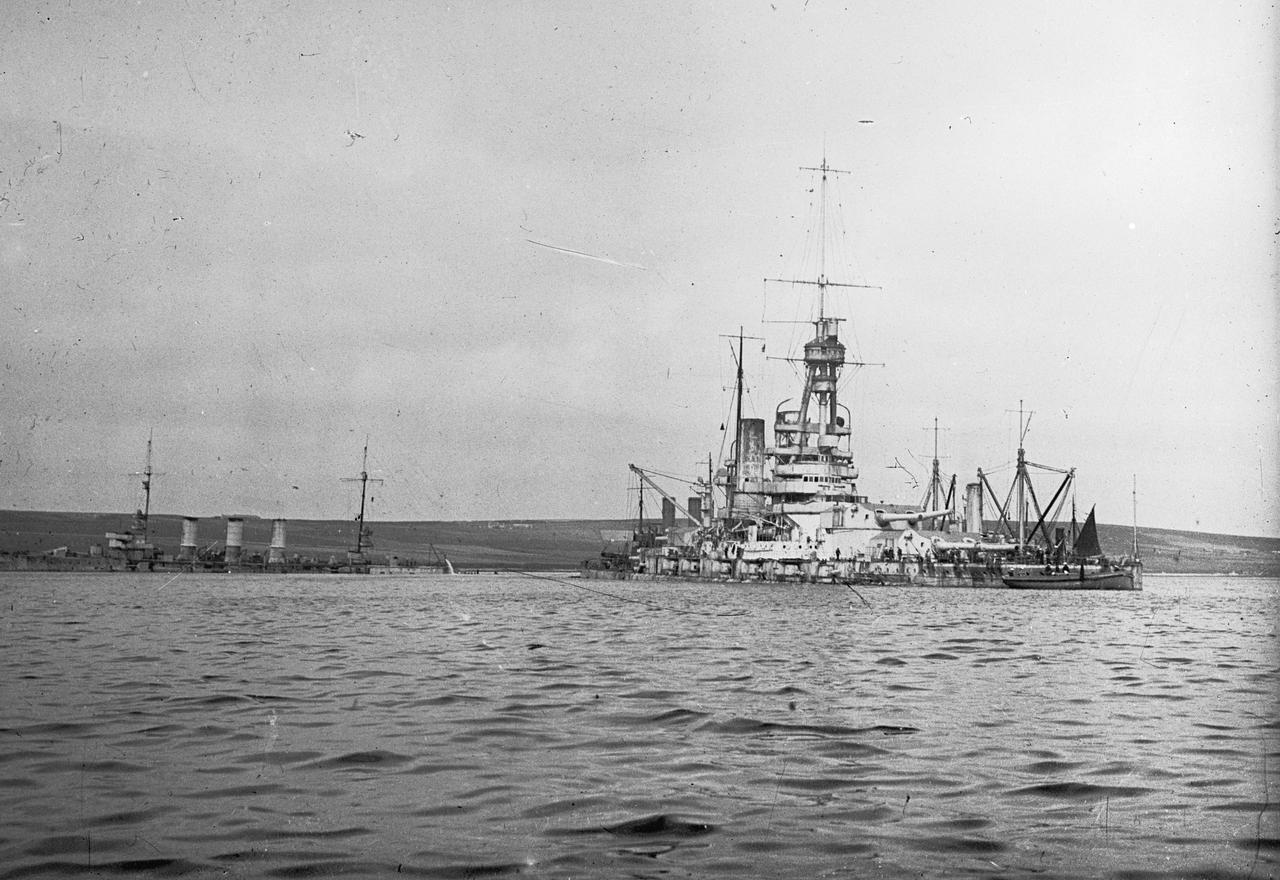
Orkney, 100 Years Ago.
“There has been a great deal of pilfering and stealing going on at Lyness, and it is extremely difficult to detect.” – James Begg, Fiscal, Orkney Sheriff Court
In 1926, James Sutherland, a labourer was charged with stealing a bench vice from a salvaged German destroyer lying at Lyness, Hoy.
Pleading guilty, Sutherland, who was employed by the salvage firm, Messrs Cox & Danks Ltd. , was working on the destroyer with a group of other workmen. Their job was to take out the scrap iron.
According to Sutherland’s lawyer, he was under the impression that there was a ‘rule’ at Cox & Danks, that any man who might find anything that would be useful to him could take that article, go to the office, and get a price for it. Sutherland believed this to be advantageous to his employer as they would get more for it that way than if it was sent for scrap.
On the day, 17 March, he saw the bench vice and laid his coat over it. He intended taking it to the office to get a price, but ‘stupidly’ concealed it under his coat. He realised this was wrong.
Sutherland had already lost his job because of his actions. He asked for leniency as he had no other convictions, and had found other employment.
The bench vice was a large piece of equipment, and in order to conceal it under his coat, Sutherland had to knock the legs off it.
As reported in The Orkney Herald of 7 April 1926, Sheriff Begg said:
” It was a sad state of matters when young people lost all sense of knowledge of the difference of what belonged to themselves and what belonged to other people.”
He continued:
” Dishonesty of this kind must be punished in order to teach accused and others that ‘honesty is the best policy after all.’ It would also teach accused and other people to realise that it did not pay, and he was determined to put down thieving, what he might call petty pilfering.”
Sutherland was ordered to pay a fine of 20 shillings (equivalent today to about £40), or 10 days imprisonment.
The estimated value of the bench vice was between 2 shilings and 6 pence, and 5 shillings.



Leave a Reply