
By Laura Muncie.
The University of Tokyo published a study in June 2026 based on 25 university students reading a Manga story on a physical book and a tablet. The students read the first half of the book on one medium and the second half on the other. The results led to some interesting theories.
When asked difficult questions about the Manga story, the information read on a tablet took the students significantly longer to answer but the answer was just as accurate as the paper readers.
The study didn’t conclusively show paper books are better for learning, but the researchers proposed that physical spacial clues provided by the paper, fed the brain additional data that helped students answer quickly. “Clues” like where something appeared on the page, tracing words with fingers, the feel of the paper, the physical movement of turning the page, the smell of the paper, the noise of page turning, may give the brain prompts that aid speedier retrieval of information.
In short, the senses messaged the brain, the more varied and less repetitive those were, the better the reader retained the information. A screen swipe to the left didn’t provide the same micro clues.
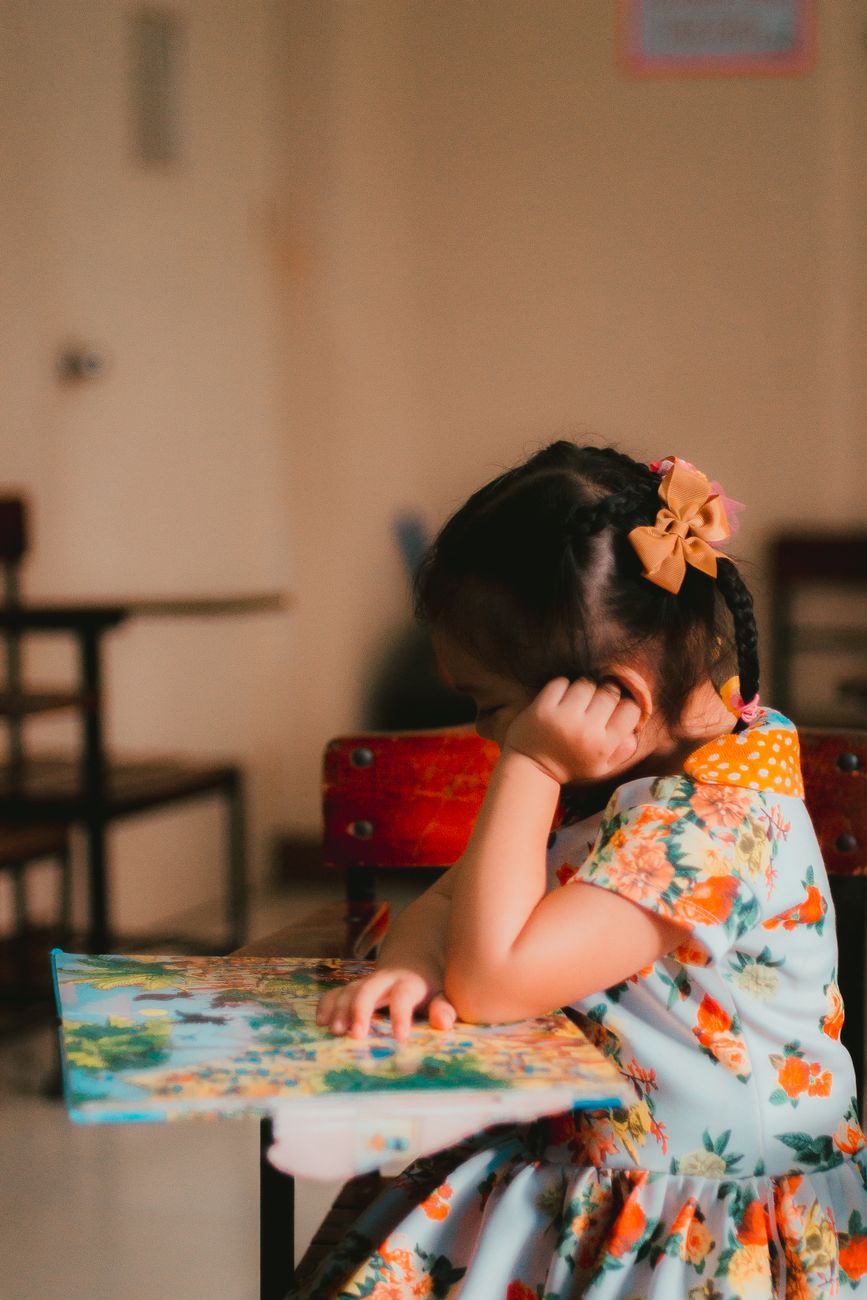
With young children research suggests the right kind of e-book, with interaction and supporting visuals, can help build literacy. With paper books the reading can centre on an adult who holds focus and the activity is more shared.

There is ongoing research to find if screen reading produces inferior or better learning outcomes in younger children, but so far there is suggestion interaction, be it digital visuals or adult support, makes for a positive difference. Still, some countries like Sweden have consciously reduced digital learning and reintroduced physical books, arguing not enough was known about digital learning before it was rolled out.
A study with older children familiar with digital devices showed those readers have digital habits. This age group are more likely to scan, skim, and rush a digital book because they use the device for gaming and have developed fast responses.
Next week at the Frankfurt Book Festival all formats will meet together under one gigantic roof. The festival has expanded out to encompass storytelling as a broad theme not only limited to books. There will be a trading card area, a new genre called Webtoons and a Listening Lounge with silent audio book discos.
Stories are not limited to paper, e-books and audio, but are actively crossing into multi sensory experiences.


Leave a Reply