
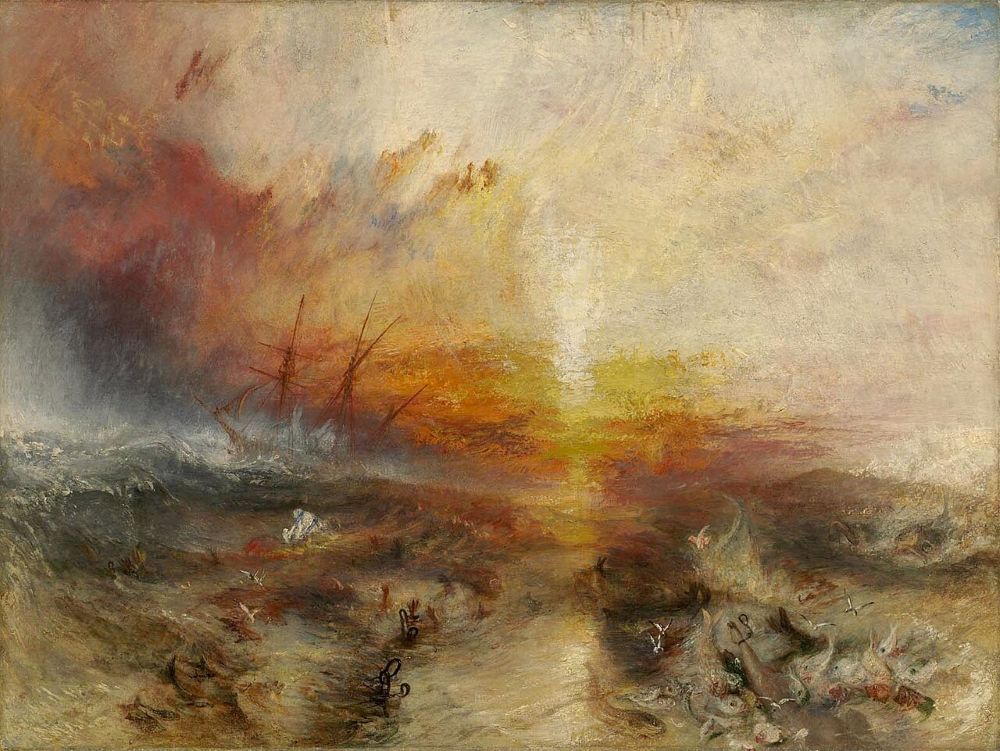
On 29 November 1781, over a period of several days, a mass killing of more than 130 enslaved African people was perpetrated by the crew of the British slave ship Zong.
The British William Gregson slave-trading syndicate, based in Liverpool, owned the Zong which was trading as part of the lucrative Atlantic slave trade.

Insurance was taken out on the lives of the enslaved Africans. Navigational errors and running low on drinking water, the decision was taken to get rid of the cargo of slaves by throwing them over the side of the vessel into the sea.
After the slaver ship reached port at Black River, Jamaica, Zong‘s owners made a claim to their insurers for the loss of the enslaved Africans. When the insurers refused to pay, the resulting court cases (Gregson v Gilbert (1783) 3 Doug. KB 232) held that in some circumstances, the murder of enslaved Africans was legal and that insurers could be required to pay for those who had died.
The jury found for the slavers but at a subsequent appeal hearing the judges, led by Lord Chief Justice, the Earl of Mansfield, ruled against the slave-trading syndicate owners, on the grounds that new evidence suggested that the captain and crew were at fault.
Zong sailed from Accra with 442 slaves on 18 August 1781, with more than twice the number of people that it could safely transport. If slaves died onshore the vessel owners would get no insurance pay out as it was for losses at sea. If some enslaved people were thrown overboard to save the rest of the “cargo” or the ship, then a claim could be made under “general average“. (This principle holds that a captain who jettisons part of his cargo to save the rest can claim for the loss from his insurers.) The ship’s insurance covered the loss of slaves at £30 per person.
On 29 November, 54 women and children were thrown through cabin windows into the sea. On 1 December, 42 male slaves were thrown overboard and 36 more followed in the next few days. Another 10, in a display of defiance at the inhumanity of the slavers, chose to commit suicide by jumping into the sea. Having heard the shrieks of the victims as they were thrown into the water, one of the captives requested that the remaining Africans be denied all food and drink rather than being thrown into the sea; the crew ignored this request. In total, 142 Africans were killed by the time the ship reached Jamaica. The account of the King’s Bench trial reports that one slave managed to climb back onto the ship after being thrown into the water.
On 22 December 1781, Zong arrived at Black River, Jamaica, with 208 slaves on board, less than half the number taken from Africa. The survivors were sold in the Jamaican slave market in January 1782, typically to labour on sugar plantations where the average lifespan of newly arrived slaves was three years. They sold for an average price of £36 per person.
Click on this link to read more about the massacre and the court case: Zong Massacre


Leave a Reply