
As reported earlier on this week in The Orkney News, the hourly rate of the Living Wage has increased to £8.75 to those over 18.
What is the Living Wage?
The Living Wage is set by an independent body and takes account of the cost of living. Employers enter into it voluntarily and so far in Scotland there are 1,000 paying this rate. In the UK as a whole it only accounts for 3,500 employers.
This means that in Scotland 81.6% of workers are earning the Living wage, however there are still approximately 430,000 people earning less than the £8.75 an hour.
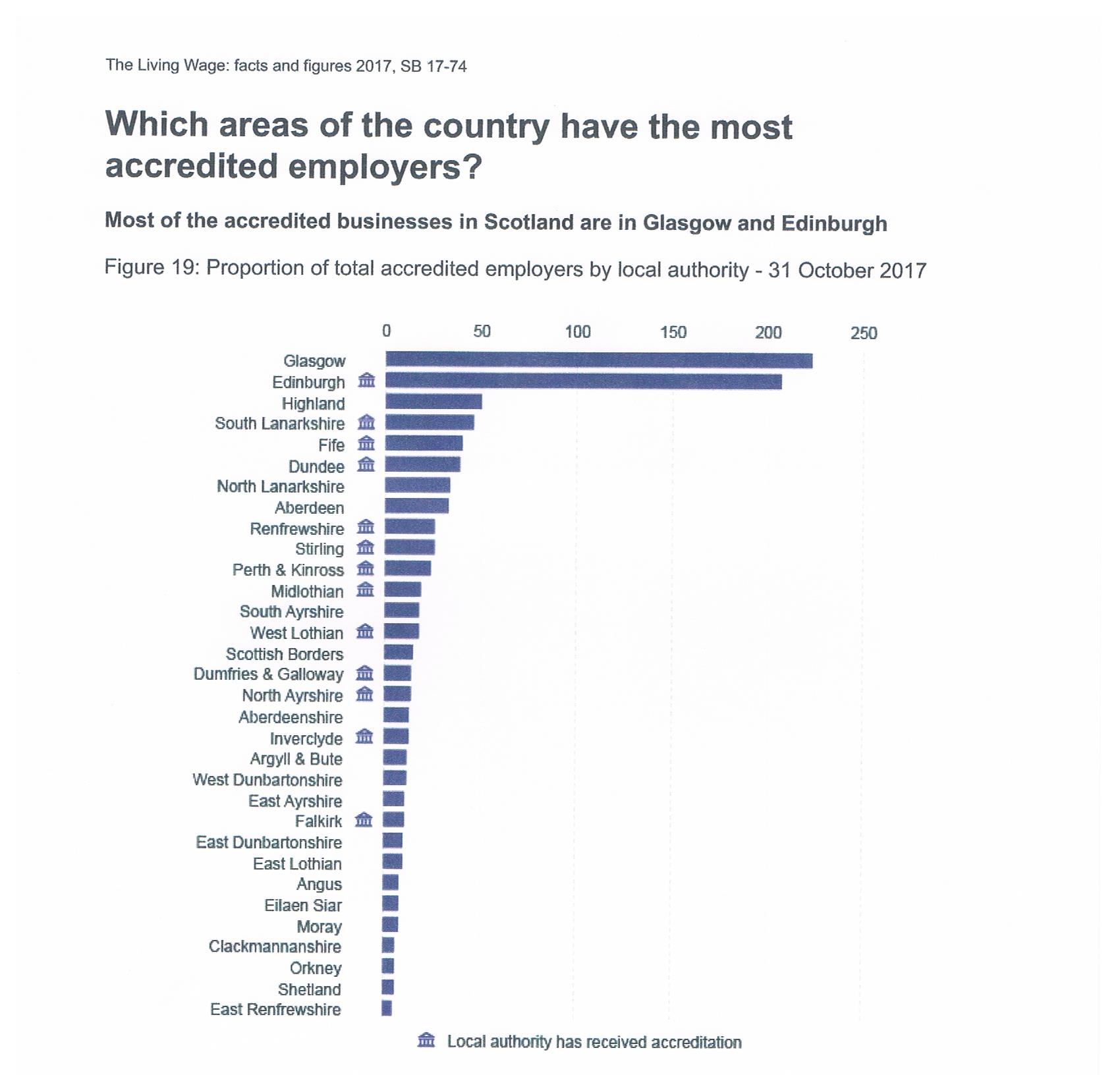
Orkney is third from the bottom in Scotland when it comes to accredited employers paying the Living Wage.

Women make up the majority of workers earning below the Living Wage. Women also make up the majority of those on zero hours contracts. Inequality is embedded in the workplace and condemns those on low wages and zero hours contracts to in work poverty.
Statistics from Annual Survey of Hours and Earnings – Scotland -2017 and ONS
- Women working full-time are more likely to be earning less than the living wage.
- Men working part-time are more likely to earn less than the living wage than women.
- Women make up 75% of those working part-time who earn less than the living wage.
The private sector is less likely to pay the Living Wage, however, those businesses who do tend to be small or medium sized with 3/4 of them employing less than 50 workers.

Opponents of the Living Wage argue that employers cannot afford to pay workers the hourly rate. The number of small successful businesses who do demonstrates that this is not the case. When small private businesses can afford to pay £8.75 an hour you have to question the values of large companies who do not.
Congratulating Stoats in becoming Scotland’s 1000 Living Wage employer, First Minister of Scotland Nicola Sturgeon said:
“Through the Scottish Living Wage accreditation initiative, the Scottish Government is helping ensure peoples’ basic pay meets the cost of living. As well as the benefits to workers, it also makes sense to employers.
“Evidence shows paying the Real Living Wage leads to increased productivity, better morale and lower sickness absence. It also demonstrates to the world that the organisation is committed to treating its workforce well.”
Tony Stone, Managing Director of Stoats, said:
“Our staff are absolutely integral to our brand. We appreciate the hard work our team commits to produce 38,000 porridge oat bars by hand daily, consistently delivering quality products for our customers.”
Reporter: Fiona Grahame






Leave a Reply