
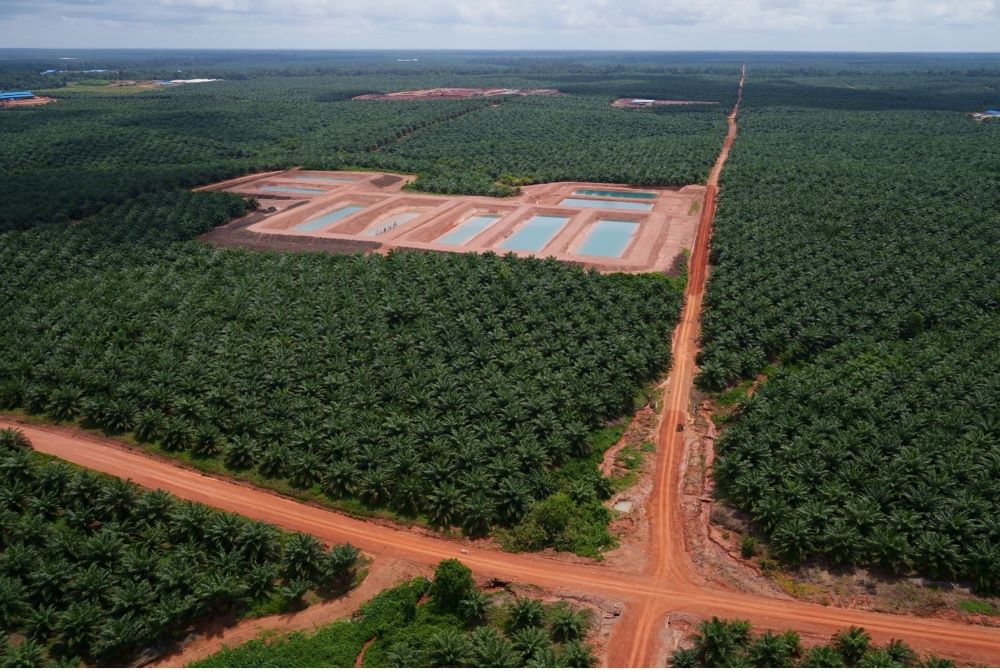

Palm oil is in hundreds of products that are in daily use from soaps to chocolate spread. The Orkney News has previously reported on the devastating effects the mass production of palm oil is having with deforestation impacting on the animals, especially orangutangs, Palm Oil: Why Should I Care? and Citizen Scientists: Protecting Orangutans . You can find products just as good that do not contain palm oil.
A new study by researchers at the University of Massachusetts Amherst, has examined how the mass farming of palm oil and the resultant deforestation is impacting the watersheds in which such plantations occur.
For the indigenous people who rely on water downstream from the plantations for their daily needs, the marked decrease in water quality has the potential to have serious public health consequences for their communities.

The study focused on the Kais River watershed of West Papua, the western half of New Guinea’s island, an area of more than 1,000 square miles. Approximately one-quarter of the watershed has been turned into palm oil plantations. The watershed is also one of the oldest continually inhabited homes for different groups of Indigenous Papuans.
Briantama Asmara, and Timothy Randhir, professor of environmental conservation at UMass Amherst, show that the transition from tropical rainforest to contemporary oil-palm plantation has increased precipitation, runoff and soil moisture. Water quality has gotten dramatically worse since the plantations began: sedimentation has increased by 16.9%, nitrogen by 78.1% and phosphorous by 144%.
Timothy Randhir explained:
“The downstream Indigenous people who rely on the rivers and the streams in the watershed are highly vulnerable. They are bearing all the environmental and public health costs, while the international palm oil companies are reaping the rewards.”
Asmara and Randhir suggest that regulators work to limit the use of pesticides, especially during periods of flooding, conduct continuous water quality monitoring, maintain riparian buffers and, most importantly, ensure that downstream communities have access to up-to-date water quality information.


Click on this link to access the study, Modeling the impacts of oil palm plantations on water quantity and quality in the Kais River Watershed of Indonesia, published in Science of The Total Environment

Leave a Reply