
Food Standards Scotland (FSS) has published a report revealing insights into the growing trend of food sales on social media platforms.

Approximately 21% of Scots – equivalent to nearly 1 million people – are estimated to have purchased food via social media, with Facebook Marketplace being the most popular platform. This highlights the significance of social media in consumer food choices.
‘Facebook Marketplace’, launched in 2016, has allowed individuals to manufacture and sell food over the platform with the food-press reporting a rise which accelerated during the COVID pandemic beginning in 2020. Review of Ready-to-Eat Food Products Sold Over Social Media
The main reason given for purchasing food via social media was to support a local food business (48%), followed by convenience (42%).
The research, which focused on ready-to-eat food sold over Facebook Marketplace, was commissioned to better understand the scale and safety of food sold in this way.

Key findings of the research –
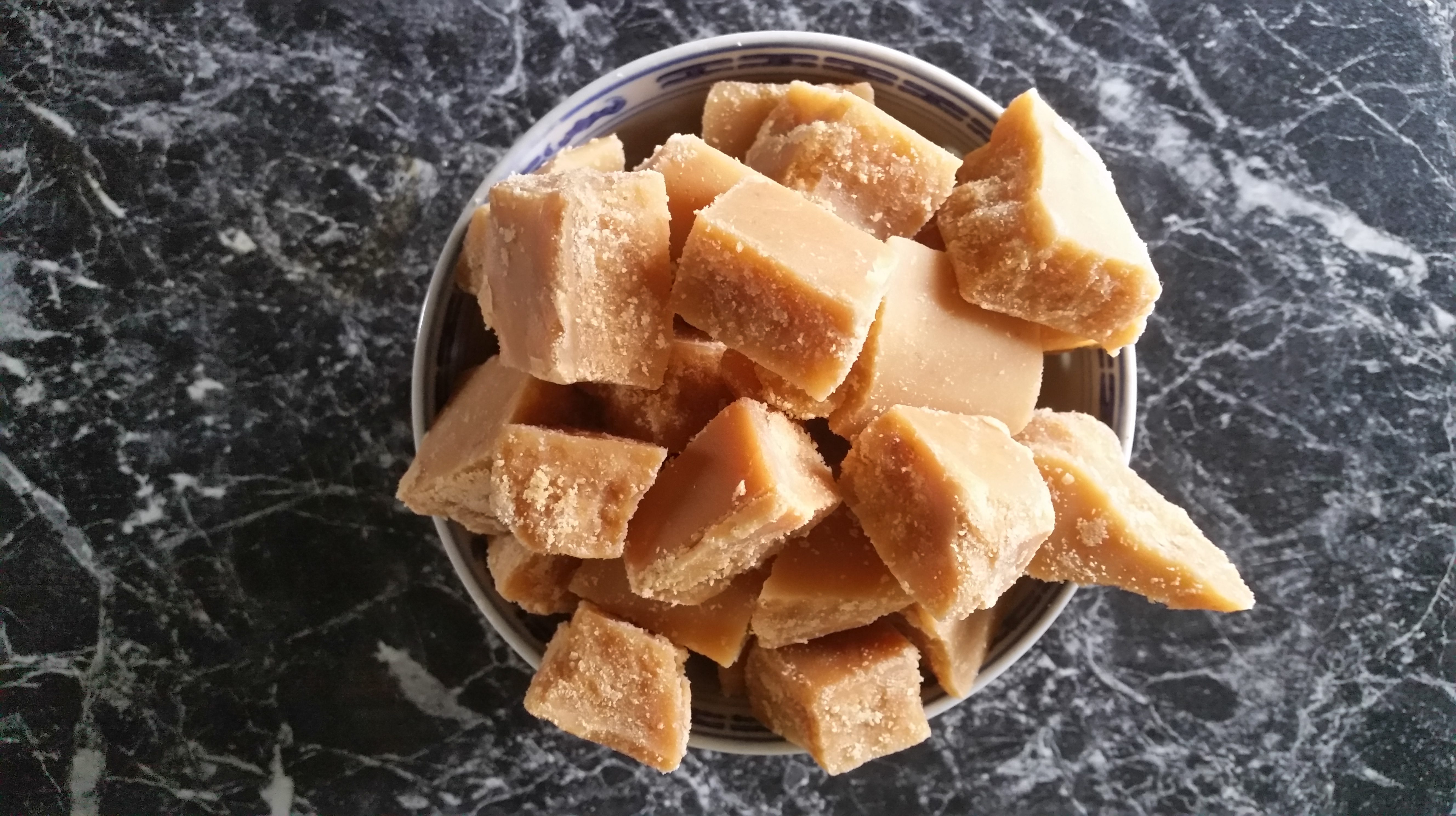
- Bakery and confectionery items account for almost two-thirds of the ready-to-eat foods sold on Facebook Marketplace.
- Adverts for composite products made up around one-fifth of listings. These included things like afternoon teas or buffets and often relied on communication between the buyer and seller to select the items that would be received.
- Another common category, making up approximately 12% of foods sold, were take-away meals collected or delivered hot, highlighting that it is common for consumers to use this platform to order in this way.
- While high-risk items like sushi and cured meats accounted for a small percentage (1.2%) of listings, their presence underscores the need to ensure that sellers understand how to produce food safely.
- Many adverts don’t include information such as an ingredient or allergen list, highlighting the importance of communication between buyers and sellers to ensure buyers can make informed choices.
Dr Karen Pearson, Senior Scientific Advisor at Food Standards Scotland, commented:
“Social media platforms are transforming how people buy food and this research has provided a baseline to help us to understand the variety and scale of this method of selling in Scotland. This convenience, however, might come with risks and it is essential that both buyers and sellers understand the nature of these types of foods so they can make informed choices.
“Sellers may not have the knowledge to produce safe food, particularly if they are producing higher risk foods.”
On the back of this research, Food Standards Scotland will look at ways to help protect consumers in Scotland by developing tailored guidance for small-scale sellers on social media to ensure they are aware of which activities require registration as a Food Business Operator, and the obligations on those producing food for sale.
You can read the full report from the contractor and the FSS response to it on the FSS website.




Leave a Reply