
A team of archaeologists and Indigenous scholars is urging museums around the USA to take a more respectful approach to caring for animal remains.
The researchers are led by Chance Ward a member of the Cheyenne River Sioux Tribe in South Dakota and a member of the Mnicoujou and Hunkpapa bands of the Lakota Nation.
Two years ago when Chance Ward was a master’s student in Museum and Field Studies at the University of Colorado at Boulder he was unpacking boxes of horse remains that had been shipped to the University of Colorado Museum of Natural History from other institutions around the country.
In some boxes he found bones in disarray—horse remains were in bags and boxes with little care or cushioning and had banged together in transit, sometimes causing damage.

Lakota traditions, like those of many other Native American groups in the West, place animals at the centre of their spirituality and view them as relatives.
Chance explained:
“You care for horses. You not only feed and water them, but you connect with them on a personal, spiritual level.
“Even when they pass on, you still respect and honour them as non-human relatives. You don’t throw them in plastic bags or boxes.
“Now that Native people are getting into the museum field more, there’s been a greater understanding of things like representation and having control over our own cultures and issues that affect our cultures,.
“The old way of doing archaeological methods is outdated and in need of fresh perspectives.”
In 1990, U.S. Congress passed the Native American Graves Protection and Repatriation Act (NAGPRA). It requires institutions that receive federal funding to return human remains, sacred objects and more to Indigenous people. But NAGPRA, often doesn’t apply to animal remains.
Since 1990, Federal law has provided for the protection and return of Native American human remains, funerary objects, sacred objects, and objects of cultural patrimony. By enacting NAGPRA, Congress recognized that human remains of any ancestry “must at all times be treated with dignity and respect.” Congress also acknowledged that human remains and other cultural items removed from Federal or tribal lands belong, in the first instance, to lineal descendants, Indian Tribes, and Native Hawaiian organizations. With this law, Congress sought to encourage a continuing dialogue between museums and Indian Tribes and Native Hawaiian organizations and to promote a greater understanding between the groups while at the same time recognizing the important function museums serve in society by preserving the past. (US Senate Report 101-473). – Native American Graves Protection and Repatriation Act
During many early archaeological digs, researchers overlooked the animal bones they found during their work. They often removed those objects from their cultural context and even threw them away.
There are currently more than 570 federally recognized Tribes in the U.S. and more recognized by the states, all of which hold their own distinct views on the living world. NAGPRA requires museums to obtain consent from Native American nations around how these institutions store, house and treat many archaeological collections.
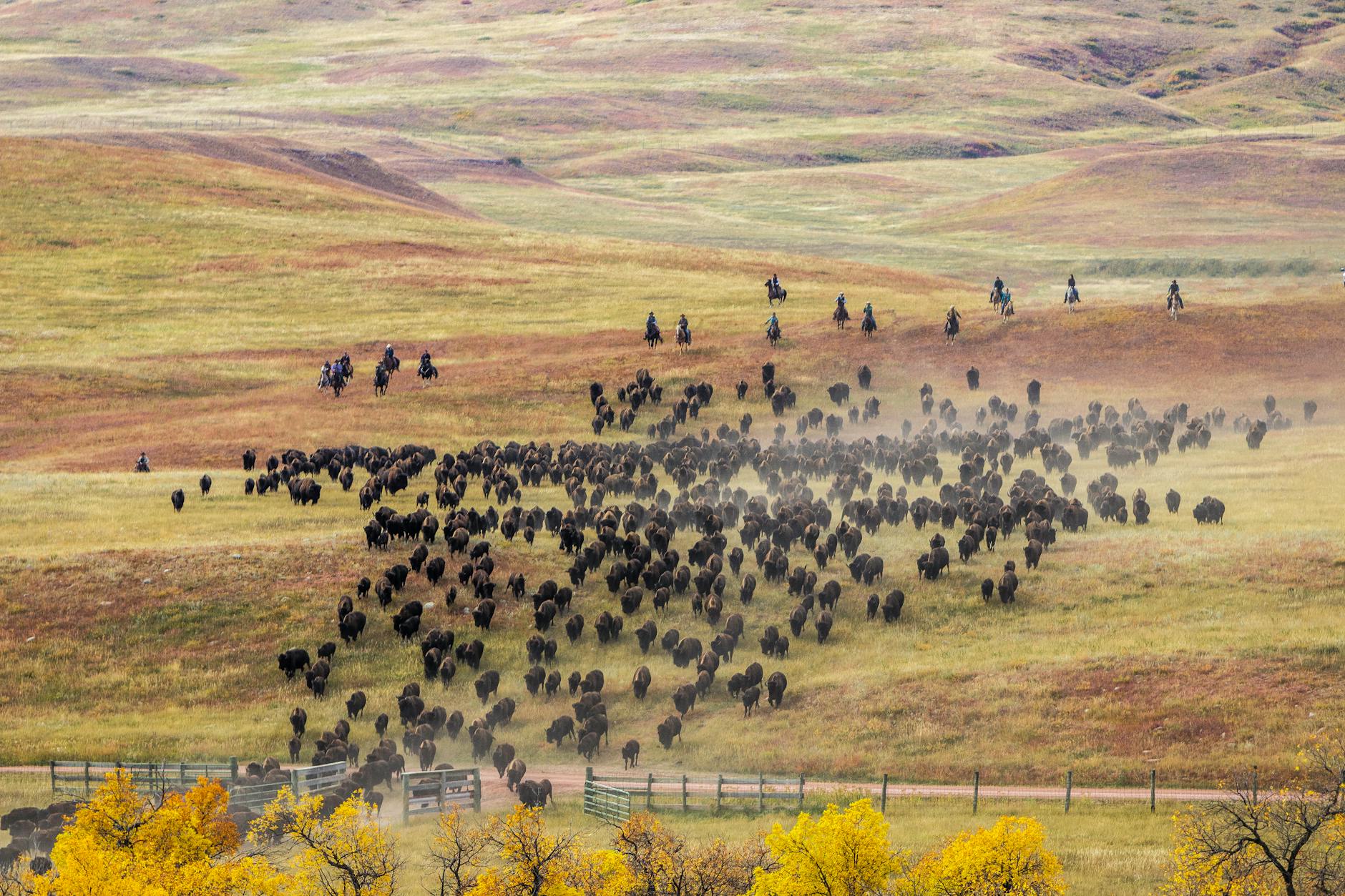
In the 20th century, archaeologists at the University of Colorado Museum of Natural History unearthed thousands of bison bones from an arroyo near the tiny town of Kit Carson, Colorado. Ancient peoples had hunted and butchered the animals following the end of the last Ice Age roughly 11,000 years ago. Archaeologists originally stored nearly 200 bison skulls in plaster or burlap casts. But decades later, many of those casts were fragmenting, threatening the remains inside.
Over several months, the research team transferred the skulls to stable and open casts and arranged them safely on shelves in a new storage space. In February 2024, a delegation of Lakota elders travelled to the CU Boulder campus to meet with researchers and to see the bison collection. Chief Harold Left Heron spoke and sang a blessing in the Lakota language as he stood next to the remains.
The museum has said it will continue seeking out opportunities to build community perspectives into the care of ancient animal remains.
Click on this link to access, Toward Legal, Ethical, and Culturally Informed Care of Animal Remains in American Museum Collections, published in Advances in Archaeological Practice.



Leave a Reply to berniebell1955Cancel reply