
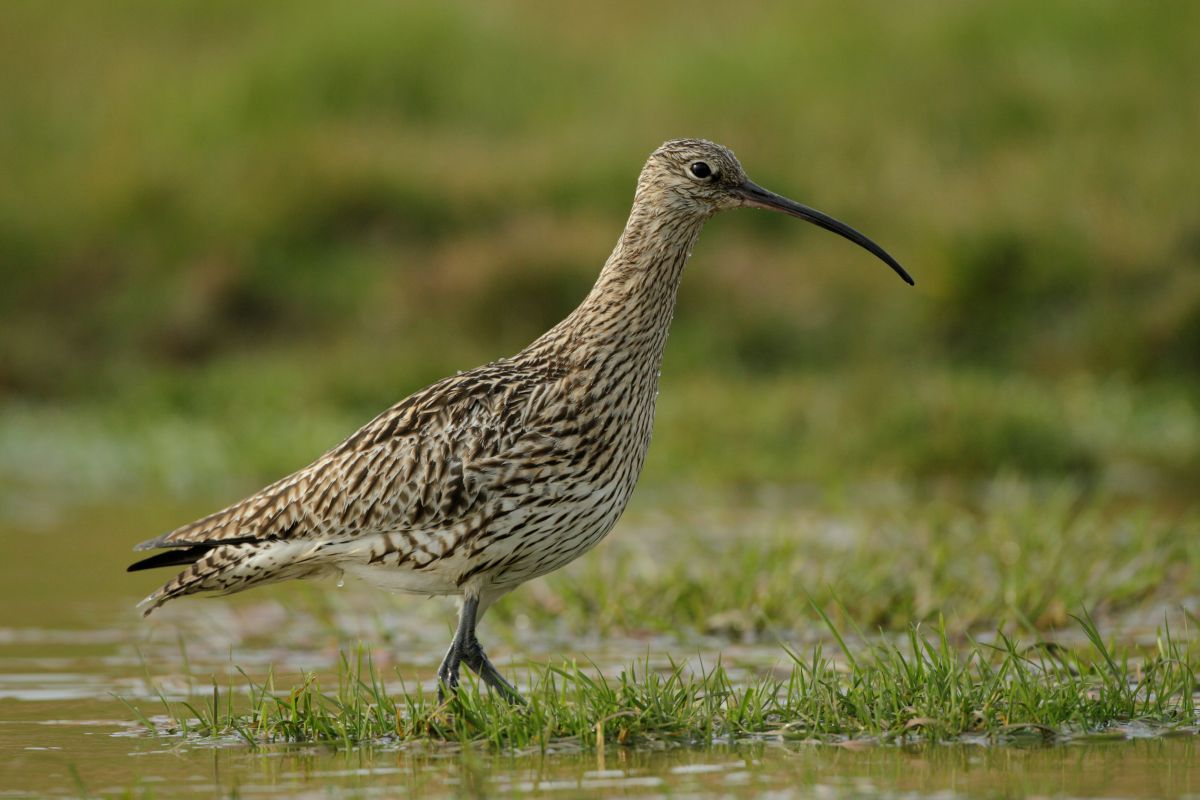
In 2024, curlew numbers in 100 of Orkney’s Local Nature Conservation Sites were surveyed for the first time in more than five years and curlew population trends are on the up.

The results of the 2024 monitoring surveys show that, after suffering large declines across the county, the number of breeding curlews has increased.
Matt Marsh, Monitoring Officer for the Orkney Native Wildlife Project which aims to eradicate stoats from the islands said:
“This is the first major population survey for waders since the project started to remove stoats from Orkney and the signs are really promising.
“It’s fantastic to see that numbers of curlews are increasing, and more and more pairs are successfully raising young. It’s great that all the hard work of the project team and volunteers and the superb ongoing support from local communities is starting to turn the tide for these vulnerable species. “
Click on this link to access, Summary of Orkney’s 2024 Wildlife Monitoring Report.
This result is in stark contrast to ongoing declines recorded across Scotland.
Click on this link to access, Breeding Bird Survey bird population trends
Between the original surveys which took place in 2006-2010 – the year stoats were first reported – and the surveys in 2017-2019 the number of curlews declined from approximately 30 pairs per km2 to 12 pairs per km2 across the Mainland and interconnected isles. The 2024 data shows a modest recovery from this low in 2019 – the year the ONWP began removing stoats – to 14.5 pairs per km2.
That’s a 21% increase in the density of curlews in Mainland Orkney and the connected isles, against a backdrop of 13% declines across Scotland.
Lots of factors influence population trends in wading birds like curlews including weather, but there are encouraging signs that the project’s efforts to remove stoats from Orkney are helping these vulnerable birds.
This positive population trend is an additional sign that fortunes may be changing for Orkney’s curlews after the dramatic increases in nest success rates (eggs hatching) since 2019 that were seen in the monitoring data from previous years continued in 2024.
The 2023 monitoring report showed nest success rates for curlews and oystercatchers were more than three times higher than when the project began in 2019, and, in 2024, nest success rates for curlews and lapwings reached record highs (82% and 51% respectively). Ongoing high nest success would help make these species more resilient to all the other factors affecting them for example poor chick survival due to bad weather as was seen last year due to widespread cold and wet conditions.

The monitoring results from the last two years show that it’s not just curlews that are benefitting. The 2024 data revealed declines in some other wading birds have slowed or halted; hen harrier nest success rates have increased with record highs in 2023; and the endemic Orkney Vole has seen sustained increases in spring activity of at least 200% since the project began.
Anne McCall, Director of RSPB Scotland, said:
“The Orkney Native Wildlife Project is showing that we can halt and reverse species decline. If we take action to address the causes of wildlife decline, we can tackle the nature crisis that is pushing more of Scotland’s wildlife to the brink.
“Archipelagos like Orkney are always a delicate balance, with native predators, disease, bad weather and many other factors that influence the survival of our wildlife, but these are largely things that our wildlife has adapted to. Removing the invasive stoats from the islands is essential to giving Orkney’s wildlife the best chance to build the resilience it needs to meet these other threats.
“There is still work to do to see numbers return to before stoats were first recorded, but results like this show the difference we are making.”
Stoats are native to mainland Britain but not Orkney where these invasive non-native species were first confirmed in 2010. Stoats are voracious predators – they’re skilled hunters, big eaters and prolific breeders – they have no native predators to keep numbers at bay.
NatureScot Head of Biodiversity Dr Katherine Leys added:
“These are promising signs for the recovery of curlew on Orkney and it is all thanks to the hard work of the project team, volunteers and the local community. We are pleased to have been able to support the people making this positive change happen, through the Scottish Government’s Nature Restoration Fund. This project is demonstrating, very successfully, that we can help turn the fortunes around for some of Scotland’s most threatened species.”
The Orkney Native Wildlife Project, is supported by The National Lottery Heritage Fund, EU Life and the Scottish Government’s Nature Restoration Fund, managed by NatureScot. It has been working since 2019 to protect native wildlife by eradicating stoats from the county. So far, more than 7300 have been trapped and numbers are now sufficiently reduced in East Mainland, Burray, Glimps Holm, Lamb holm and South Ronaldsay to allow a trial of new techniques to find and remove those that remain.
The project hopes to have successfully removed all stoats from Orkney by 2030 and put plans in place to ensure they cannot return.
Leave a Reply