
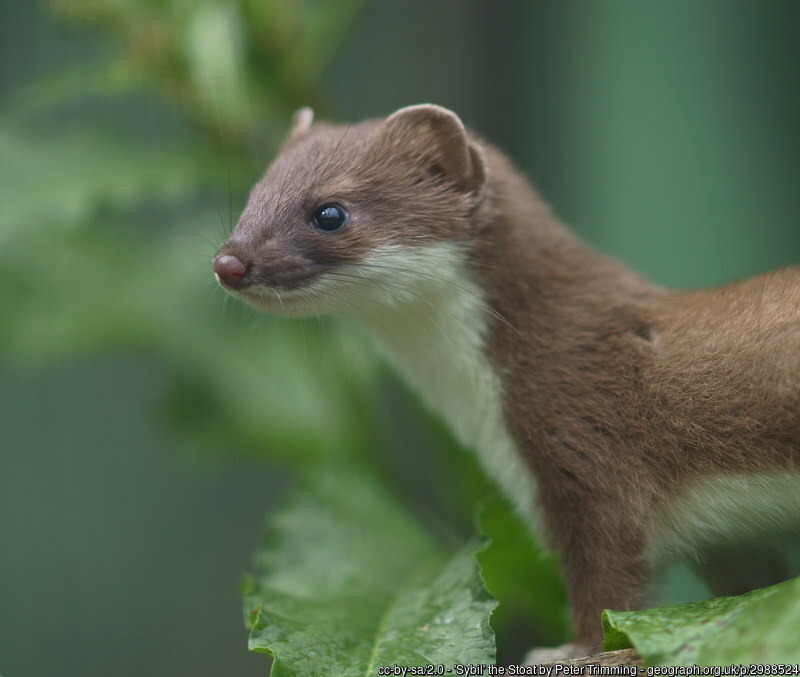
The Orkney Native Wildlife Project has announced that due to the success of reducing the number of stoats that they will now be trialling new techniques in their attempts to eradicate the species from Orkney.

Hannah Read, Eradication Operations Manager for the Orkney Native Wildlife Project, said:
“It’s very exciting to have successfully reduced the number of stoats enough over such a large area to be able to test our methods for removing those stoats that remain. Getting this far wouldn’t have been possible without the help and support of landowners who have given us access to their land, and their areas of good habitat, or without the help of the people in Orkney, who have been consistently great at sending in their stoat sightings.”
The area covering South Ronaldsay, Burray, Glimps Holm, Lamb Holm, and all of East Mainland will this week see a move away from checking the current trap network and instead into intense effort to find remaining stoats based on sightings, information from detection dog searches and targeting known hotspots.
This is an extension of the 2022 trial in Deerness but over a much larger area and in addition to using the techniques honed during the previous trial will also test cutting edge technology that has been successfully used to track down invasive species in New Zealand.

Communities living in these areas might notice the change as they may see project staff in the same area on consecutive days as they respond to sightings and deploy new traps, notice different styles of trap housing appear and see more frequent dog searches too.
Rapid and detailed reports of sightings of any potential stoat are particularly important.
Hannah Read said:
“Public sightings with plenty of detail, that are reported to us as quickly as possible are even more important to our continued success, as they help us pinpoint areas where we may need to concentrate our efforts.”
New technology will also be trialled this year including a new type of remote camera that is triggered by thermal radiation not just movement and uses Artificial Intelligence to sift images before alerting the team to possible stoats via text message, hand-held thermal telescopes, and drones with thermal imaging capacity. If successful, these technologies will work alongside dog searches and public sightings to help track down remaining stoats.
Hannah Read explained:
“Trialling new technologies that have been successfully used elsewhere will also help us to find stoats in areas where public sightings are less likely. We want to reassure people that although we might be much more active in some areas as we track down and remove the last stoats, we’ll still be following what’s agreed in our many individual land access protocols.”
The project team are testing these new technologies to see how they can help pinpoint the locations of the remaining stoats and whether they may even be useful in areas where landowners are hesitant to allow dogs and project staff on their land.


Leave a Reply