
Public Health Scotland (PHS) is urging people to take steps to protect themselves and their loved ones to help reduce the spread of flu.
The rate of Acute Influenza Hospital Admissions has dropped significantly in Scotland in the week ending 21 December from 950 to 679. There were none in Orkney – Public Health Scotland.
The number of Acute Covid Hospital Admissions has also dropped from 86 to 82. There were none in Orkney.
There were 85 deaths that mentioned influenza on the death certificate, nine more than in the previous week. Influenza was the underlying cause in 73 of these deaths, in the week ending 21 December.
The were 15 deaths in Scotland involving Covid. Covid was the main cause in 14 of the deaths. There were no Covid related deaths in Orkney.

Influenza
Laboratory confirmed flu cases have reduced for a second week in a row, falling by around 35%, from 1,994 in the previous week to 1,297 in the most recent week. Hospital admissions due to flu over the same period also fell by 29%, from 950 to 679.
Despite its usual seasonality in winter, flu is an unpredictable virus and while these latest figures are encouraging, the flu season is not yet over. PHS is reminding people that small actions can make a big difference in protecting themselves and others.
If you have symptoms, such as a cough, a high temperature, and you’re feeling tired and achy, you can help reduce the spread of flu by taking the following steps:
- Stay off work and don’t visit hospitals or care homes until you’re feeling better.
- Limit contact with others, especially those at higher risk such as babies, the elderly and those with underlying health conditions.
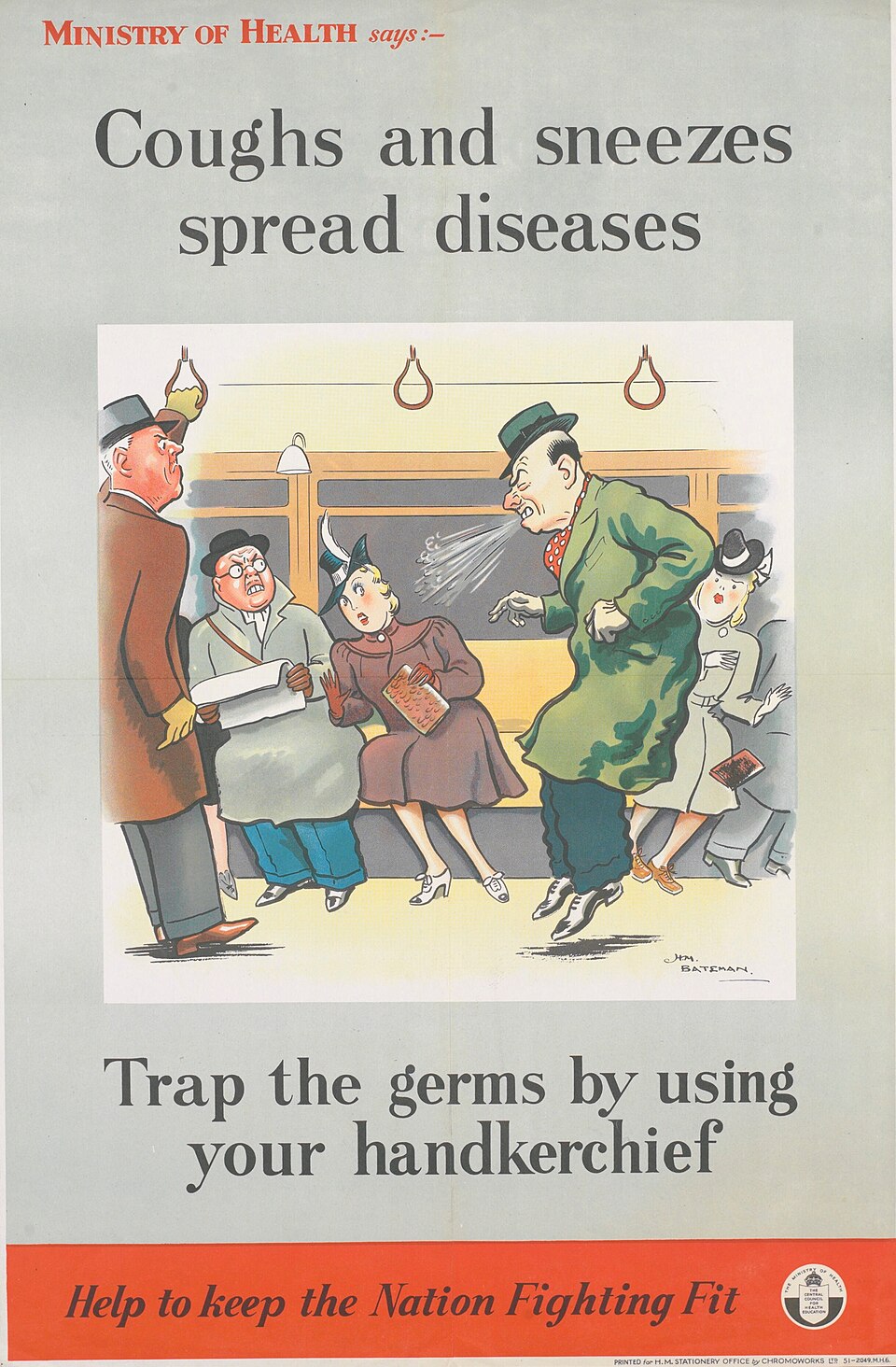
- Cover your mouth and nose with a tissue when you cough or sneeze and bin them right away.
- Wash your hands regularly with soap and warm water.
- If you must go out, please consider wearing a face-covering.
Anyone with symptoms of flu can complete a handy self-help guide on NHS inform to check your symptoms and find out what to do next: www.nhsinform.scot/influenza
Dr Kim Marsh, Viral Respiratory Pathogens lead at Public Health Scotland, said:
“Following an early start to the season, the latest data suggests that flu cases and hospitalisations in Scotland continue to decrease. While each flu season is unique and peaks are not always predictable, we have now seen reassuring declines across a range of age groups and data systems, including reductions in case numbers in younger age groups.
“PHS continues to closely monitor our data for seasonal activity. In some flu seasons there can be more than one wave of flu because different types of flu circulate at different times. At present, flu A is the main strain circulating. However, in Scotland we typically see flu B circulating in the first few months of the new year, and this can cause a second rise in flu cases.
“That’s why it’s so important to come forward if you’re eligible for a flu vaccine this winter and haven’t had it yet. Although flu clinics will be paused over the next few days, many will open again next week and continue into the new year. There’s still time to protect yourself this winter.”
Scotland’s flu vaccine programme
The winter flu vaccination programme is focussed on protecting those who are most vulnerable to becoming seriously ill and in some cases, dying from flu. This includes those aged 65 years and older, pregnant women, and those with underlying health conditions.
Everyone who works in the NHS and all frontline social care workers are also eligible for the flu vaccine this winter.
The flu vaccine is also being offered to all children from 2 years old to the end of secondary school, as well as children aged 6 months to 2 years old with a condition that puts them at increased risk of flu.
New PHS data provides clear evidence that this year’s vaccine is doing a good job of preventing severe flu:
- children in Scotland are 78% less likely to be admitted to hospital with flu if vaccinated
- vaccinated adults aged 65 and over 37% less likely to be hospitalised.




Leave a Reply