
Desertion and Imprisonment.
Benjamin Moodie heir to the Melsetter Estate, Walls, Orkney, took out to the Cape two hundred skilled men who had been indentured to work for him, and for hiring out, in the colony.
Part 2 explained what the UK had set up to administer and control the Cape Colony, the continued use of slavery there, and what being indentured met.
Part 3 will look at what happened to some of the men who had voluntarily bound themselves to Benjamin Moodie with the loss of their freedom.
The first batch of men who sailed out on the Brilliant, arriving on 4 June 1817, were soon hired out or found employment with Benjamin Moodie himself. Two more vessels were already on their way. The Garland under Master Alexander Brown, with 49 on board, arrived on 23 August 1817.
The Caledonian Mercury, 12 June 1817, reported:
“…embarked at Leith (Friday) on board the smack Matchless for London… about 100 mechanics engaged as settlers…The Clyde of 240 tons conveys them from the Thames to the Cape.”
The Clyde under Master James Smith, with 89 on board, arrived on 23 March 1818. Benjamin Moodie had left his brother Donald Moodie in charge of those arrangements. Young James Smith, a Blacksmith from the Melsetter Estate was one of those men on the second and third sailings.
All was not well. An influx of 200 young men, highly skilled but indentured, looking for employment. They were bound to Benjamin Moodie until they could buy themselves out of their indenture but every living cost and travel expense was taken out of their wages.
Benjamin Moodie’s Ledger (Orkney Archives) and ‘The Moodies of Melsetter’ by Edmund Burrows, provides some information about the 200 men.
Desertion, Escapes, and Jail.
Accommodation had to be found in the Colony for those men not already hired out. There were soon complaints locally about the behaviour of idle men awaiting employment and left with no prospects, ‘some grew infamous for their unruly behaviour in Cape Town’, Burrows. A few men deserted or tried to escape. Many quickly became fluent in the local Dutch dialect.
Colin Bain, one of those first men who sailed on the Brilliant was a Cooper. He managed to escape on a boat out of the Cape in August of 1818. He arrived in Ascension Island and found employment there as a Cooper at the Royal Navy’s facility. The Royal Navy had designated the island as a stone frigate, HMS Ascension, with the classification of “Sloop of War of the smaller class”. (Wikipedia) In 1819 Benjamin Moodie petitioned the Government to have Colin Bain restored to his service. He also wanted to find out the name of the boat and its captain who had taken Bain to Ascension Island in order to prosecute him.
A few men were press ganged into the Royal Navy when ships put into the Cape for supplies. It is unknown what eventually happened to them although some may have been recorded under the term ‘deserted’. Benjamin Moodie complained about the Royal Navy doing this but got nowhere with his complaint.
There was no free movement in the Colony and permission to travel required a pass from the Governor, Lord Somerset. This only partially worked in that it was said that no white man would be stopped and questioned, some were. Many of the men who deserted and tried to get away from the conditions imposed by the indenture, were caught and jailed. All jail fees were taken out of their wages.
John Oliver a Tailor who was sent to work for Mr Johnston, had to pay jail dues of over 2 Rd (Rix dollars).
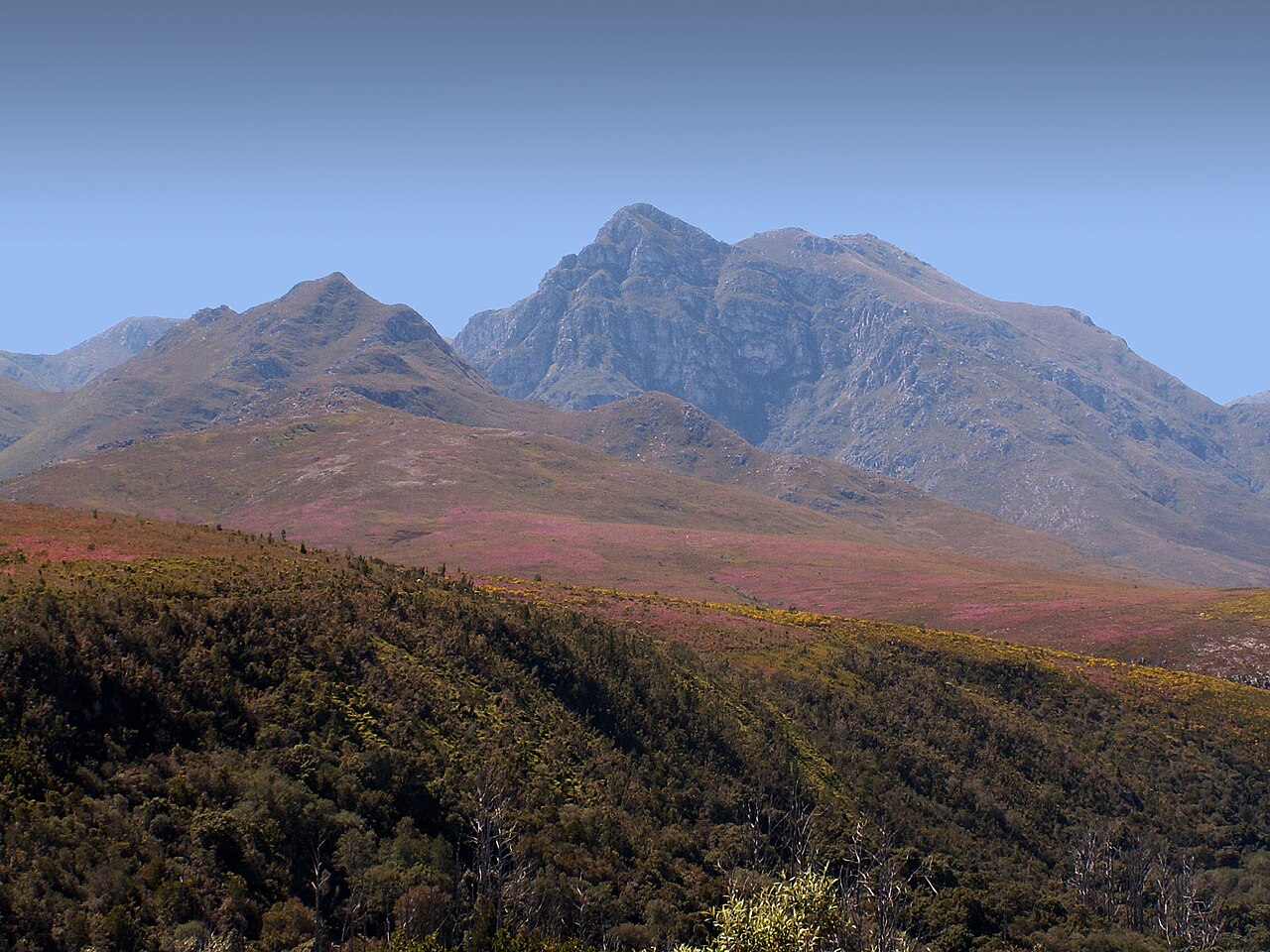
Robert Thomson, a Baker, who was only aged 17 when he signed on to the scheme, deserted from Groot Vaders Bosch (GVB), a farm Benjamin Moodie purchased in 1817 and now a nature reserve. He eventually settled his own account of monies owed out of the wages he earned.

Archibald Keir (Kerr), a Shoemaker, was jailed for ‘disobeying orders’, cost over 1Rd. There were several men who were charged with ‘disobeying orders’. There’s no clarification of what orders they were expected to obey. Benjamin Moodie raised an action against Archibald Keir and others charging them his expenses of over 9Rd. The Kerr’s eventually settled in Swellendam. William Kerr, a Carpenter, requested the permission of the Governor in January 1819, to get married. He was still indentured to Benjamin Moodie at the time. A descendent of the Kerr’s was a Senator in the Union Parliament.
Archibald Norval, a Comb Maker, was jailed for ‘disobeying orders’ and jail fees of over 1Rd. Benjamin Moodie raised an action against John Norval, a Comb Maker, and others for ‘disobeying orders’ with the expenses to be paid of over 9Rd. His son, John jnr, had the same charge and was sent to jail. His jail costs came to over 1Rd and the action raised against him, over 9Rd. A third son, William was also indentured to Benjamin Moodie.
John McKenzie, a Shoemaker, hired out to Mr Kincaid, deserted. Andrew Ross, a Jeweller, hired out to Mr McLachlan deserted. Robert Sutherland, a Painter and Glazier, deserted. John Strachan, a Carpenter, deserted.
John Gruar, a Cooper with Mr Goslet, deserted. He was working in Waal Street, Cape Town. John Matheson, a Cooper, deserted. Twice he had attempted to escape. For the first escape he was find over 2Rds and the second over 8Rds.
William Jacobs, a Labourer hired out to Mr Homes, deserted. He was also charged fees for medicine with Dr Powley of over 1Rd.
James Gibby, a Carpenter, who worked at the Government Experimental Station Groote Post, was fined over 140Rd for leaving without permission.
Thomas Laidler, a Tailor was fined over 5Rds for going about without a Pass. He was also charged with the cost of the Pass, 1Rd.
John Henderson, a Baker, one of the first batch who came out on the Brilliant, attempted to escape. He was jailed and incurred jail expenses of over 2 Rds in May 1817.
George Cockburn was apprehended at Simon’s Bay and fined over 8Rds.
Philip McLachlan, a Tinsmith, was fined over 3Rds for ‘disobeying orders’ and had jail time. His jail fees were over 2Rds. He needed medicine which was provided by Dr Powley for over 2Rds.
James (John) Hay, a Tailor, was described as ‘a superior class of settler’ a gentleman and possibly a military Captain. He attempted to escape twice and had two incarcerations in jail costing over 6Rd each time. He was apprehended at Simon’s Bay. He was fined over 1Rd for ‘disobeying orders.’ He incurred hospital expenses with Dr Bailie of over 87Rd. In August 1817 he accompanied Benjamin Moodie in search of an estate. Moodie purchased land for him adjacent to his own farm at GVB for £800. A considerable amount of money. In 1818 he was living in ‘Archiees Land’ and enjoying meals of meat accompanied by wines.
Benjamin Moodie’s Melsetter Estate in Orkney finally sold in July 1818 for £26,000.
In Part 4 find out what happened to the indentured men who tried to make a life in the Cape.
Fiona Grahame



Leave a Reply to Benjamin Moodie and 200 Indentured Scots: Part 4 – The Orkney NewsCancel reply