
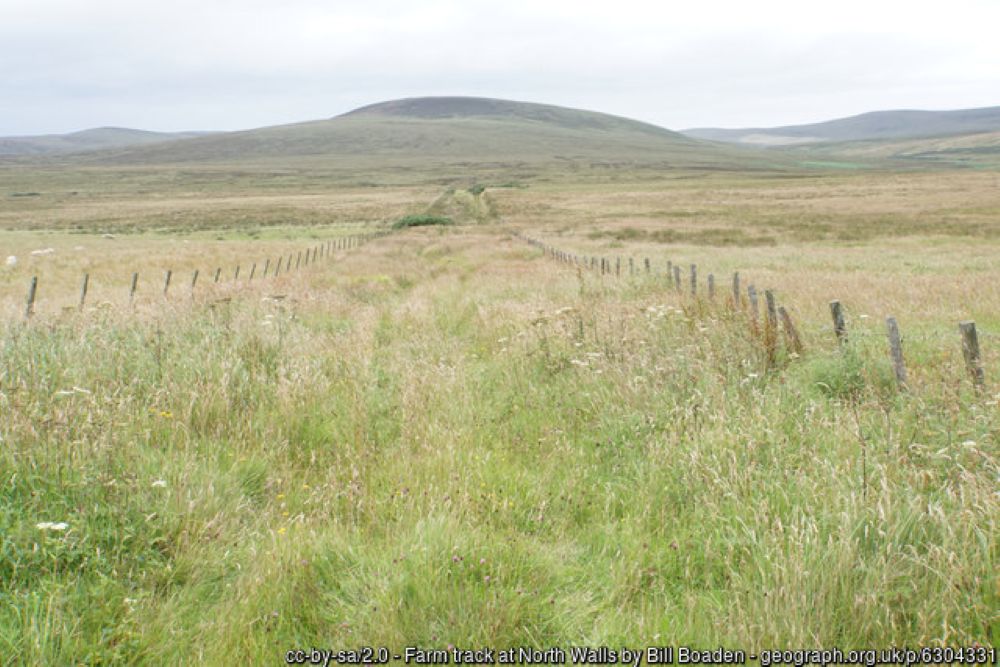
The most notorious events which take place during the Highland Clearances of the 19th century are in Sutherland when the Countess of Sutherland’s Factor, Patrick Sellar , forcibly removed people from their homes and lands. Today those accounts have become more widely known . Even for 19th Century public opinion the brutality and violence was shocking.

There were, however, waves of Clearance from Sutherland decades earlier. Some were given what was termed ‘Assisted Passage’ – which transported families who had lived and farmed in Sutherland, to North America, and to southern Scotland.
In the Statistical Account, Rev. James Dingwall, writing in 1772, states that 77 people had emigrated from Farr to North Carolina, and others south. The region was losing its most able bodied, to service in the army, and as workers to the expanding mills in central Scotland. Ministers throughout the parishes of Sutherland report similar accounts.
From Strathnaver to North Walls, Orkney.

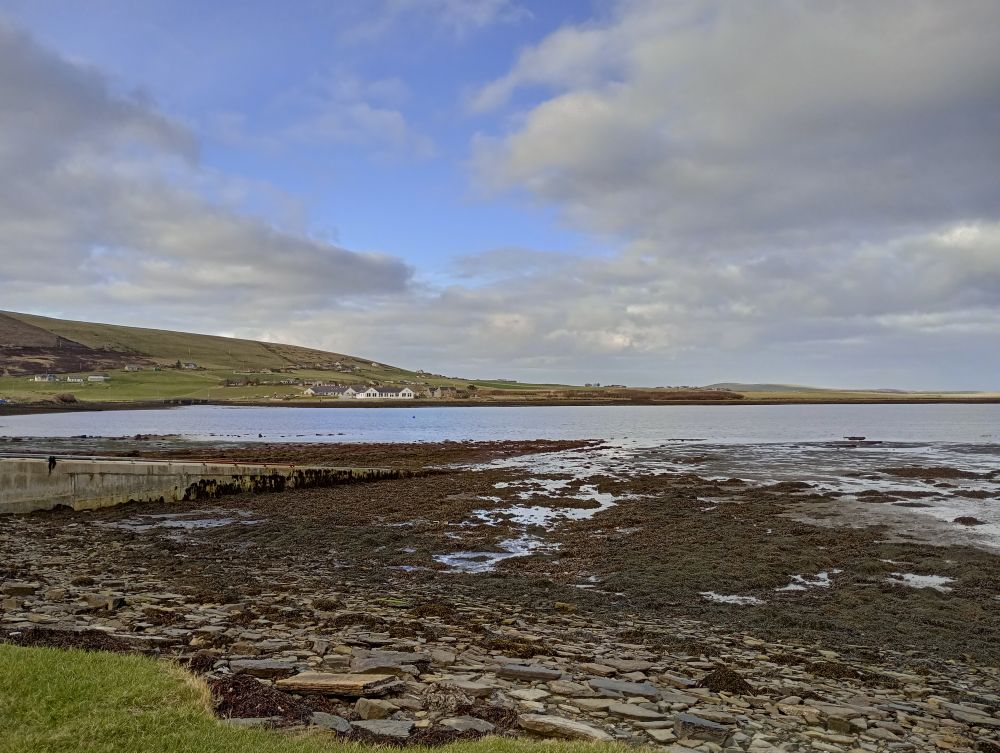
Reporting on a blip in the population numbers for North Walls, Orkney, Reverend James Bremner states that the population for the area jumps from 233 in 1788, to 302 in 1794.
‘the increase of 71 is the settlement of a colony of Highlanders, who had been forced to emigrate from Strathnaver, where their farms were converted into sheep pasture.’ – The Statistical Account of Scotland, Parish Walls and Flotta, Orkney . (1795 -98).
The people who came to North Walls from Sutherland brought with them ‘very considerable stock in horses, cows, sheep, and goats, and also grain.’ Strathaver had a good trade in horses and ponies to Orkney, which was well established, and continued to be so. Goats, however, were not a livestock kept by Orkney’s farmers.
The Strathnaver settlers seem to have been self sufficient in food and stock. What they did not have was housing. They built for themselves homes constructed of ‘earth and a few sticks’. Rev Bremner continues to describe this extremely frugal way of life:
‘you find no other furniture than a few dishes for his milk, and a barrel for his meal.’
By the next Statistical Account (1845) the Rev Walter Weir makes no mention of the previous account of the Gaelic speaking Highlanders. Did the settlers from Strathnaver to North Walls, move out to other parts of Orkney, or did they continue on their emigration journey to reach North America?

© Copyright Bill Boaden and licensed for reuse under this Creative Commons Licence.
As the Countess of Sutherland cleared the people from their lands over the coming decades, some of those did come to Orkney, but many more were lost to their native land for ever, choosing to take their chances on a perilous sea journey to North America instead. The Orkney Family History Society Magazine issue 83, September 2017, includes an account of one of the families who settled in Orkney, by Kent Munro, “The brutality of the Sutherlands drove ‘my Munros’ from Strathnaver to Sandwick.”
Between 1809 and 1821, 15,000 people were cleared from the Sutherland Estate:
Their land in the interior was converted to sheep walks which brought high commercial returns and a new parallel crofting economy was established on the coastal fringes. The scale of these clearances was staggering, in cost and number of people involved, but the methods used to evict, associated with the vilified Patrick Sellar, made them stand out to both contemporaries and historians since. – The Highland Clearances.
The ethnic cleansing of the Highlands continued. Evictions too took place across Orkney as land was enclosed and the small farmers lost access to common land essential for grazing their livestock. The Rousay Clearances are the most notorious in our islands, but evictions and removal took place throughout.

If any of our readers has information about those 18th century settlers from Strathnaver to North Walls, please email news@theorkneynews.scot It would be great to add to this story.
Fiona Grahame




Leave a Reply to David HowdleCancel reply