
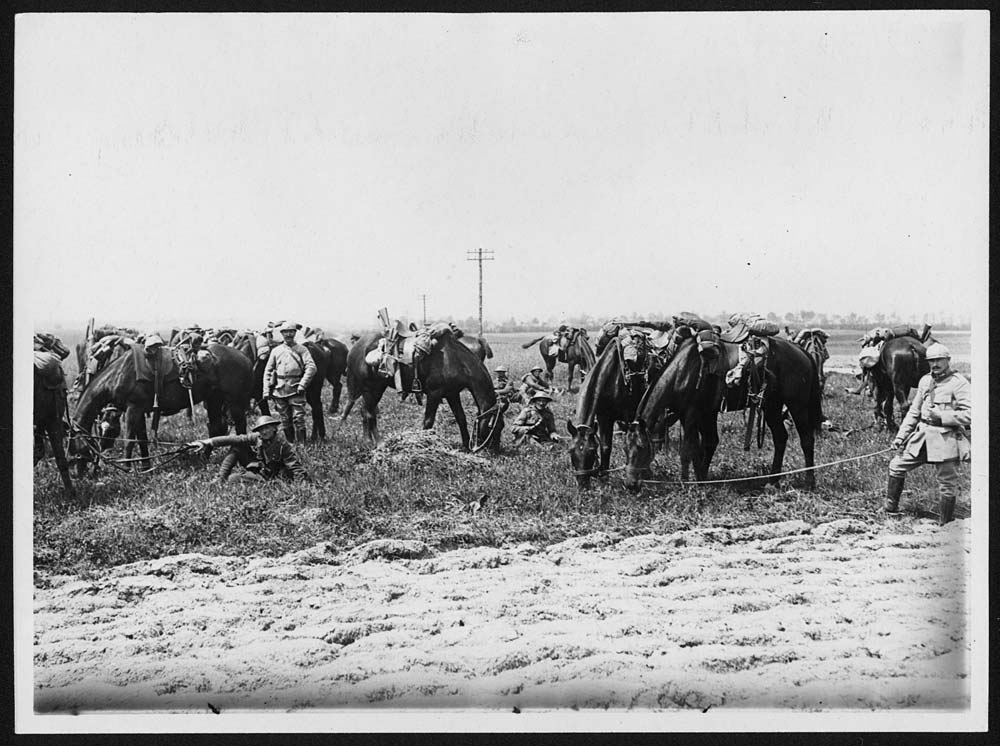
From the sweeping movements of Eurasian nomadic groups such as the Huns, Avars, Magyars, and the Mongol Empire, to their decisive use in warfare (well into World Wars I and II), horses have been central to human conflict and expansion.
They also accompanied conquistadors over the Atlantic to the Americas and served as the primary means of transport across much of the world until the rise of industrialisation and motorisation.

Research from the University of Helsinki, ‘Horse genetics, archaeology, and the beginning of riding’, and published in Science Advances has been investigating the taming and domestication of horses.
How humans were able to use horses took generations of work full of setbacks and across vast regions, before full domestication set in shortly before 2000 BCE.

Professor Volker Heyd, co-lead author of the research, explained:
“Horses were already being used in sophisticated, widespread ways before we could pin down full domestication. That gap reshapes how we understand human history.
“The role of horses in major historical developments is almost too vast to measure, hence the saying that the world was conquered on horseback.
“Today, horses are a source of attraction, companionship, and friendship for many people. Therefore, it is important to learn about the earliest stages of human–horse relationships and how this unique partnership first emerged.”
Today, truly wild horses no longer exist. Even Przewalski’s horse, long held up as a living relic of the wild, is now known to descend from early domesticated populations, showing how deeply humans have shaped horse populations over time.

Around 3,500 to 3,000 BCE, steppe populations began pushing east and west across Eurasia. They brought the wheel with them. Cattle pulled the first wagons. Horses came at the same time. A rider could cover ground in hours that a wagon took days to cross but both were key innovations in mobility and transport, revolutionizing human society.
Researchers now link that leap in mobility to the spread of Proto-Indo-European languages. The horse carried people. And with them, words. The languages spoken across much of Europe and Asia today trace back to those early riders and wagon drivers.




Leave a Reply