
New research from the University of Aberdeen will investigate how breast cancer develops in men and the biological differences between that and female breast cancer.
An area that remains significantly under‑researched, around 400 men are diagnosed with breast cancer every year in the UK – around 40 of them in Scotland. Despite clear biological differences between male and female breast cancer, most breast cancer research and clinical trials are focused on women. As a result, men often face delayed diagnosis, limited treatment evidence, and a lack of public awareness that the disease can affect them at all.
The issue has recently gained national attention through a current Coronation Street storyline, in which a male character is diagnosed with breast cancer prompting widespread discussion about symptoms, stigma and the misconception that breast cancer is a “women’s disease”.
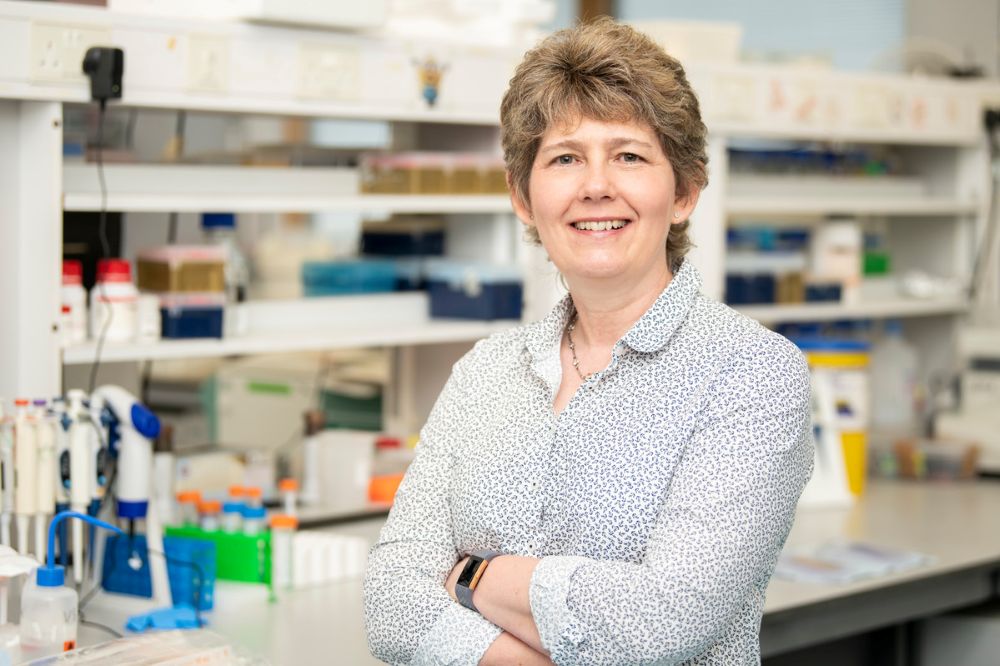
Funded by a £300,000 award from the Scottish Government’s Chief Scientist Office (CSO), Professor Valerie Speirs from the University of Aberdeen will lead the two‑year study, which will examine cancer‑associated fibroblasts (CAFs). Cancer-associated fibroblasts are support cells that surround tumours and influence how the cancer grows, spreads and responds to treatment.
Professor Speirs’ team has already generated cancer-associated fibroblasts directly from male and female breast cancer biopsies, including samples from the Breast Cancer Now Biobank.
The research will explore how these cells respond to hormones such as oestrogen and androgens, whether they act differently between male and female tumours and what triggers CAF activity in men and how this may fuel tumour growth.
Professor Speirs said:

“Male breast cancer has been understudied for decades. “
“By mapping the cells and signals that shape the disease in men, we hope to open the door to more personalised treatments and ensure men are no longer left behind in breast cancer research.”
“Our study launches during Breast Cancer Awareness Month, at a moment when male breast cancer is receiving rare national visibility. ITV’s flagship soap, Coronation Street’s storyline has prompted thousands of viewers to seek information about symptoms and risk factors, with charities reporting spikes in website traffic and helpline calls.
“This research aims to build on that momentum by addressing the scientific gaps that contribute to late diagnosis and limited treatment options for men.”
The project is led from Aberdeen with major international and patient‑focused collaborations, including: GEICAM, Spain’s leading breast cancer research group, the Male Breast Cancer Global Alliance and men affected by breast cancer through The Virtual Men’s Meetup.
Simon Vincent, chief scientific officer at Breast Cancer Now, said:
“While male breast cancer is rare, around 400 men are diagnosed each year in the UK. Research like this is vital to improving our understanding of the disease and could pave the way for more tailored treatments and better outcomes for men diagnosed with it.
“We’re pleased that samples from the Breast Cancer Now Biobank – the UK’s largest collection of breast cancer tissue, cells and blood samples from people with the disease – are supporting this study. That’s exactly what our biobank is for – to give scientists around the world access to the samples and data that enable them to perform world-class research and drive progress.
“We look forward to seeing the findings and how they could advance our understanding and treatment of breast cancer in men.”



Leave a Reply