

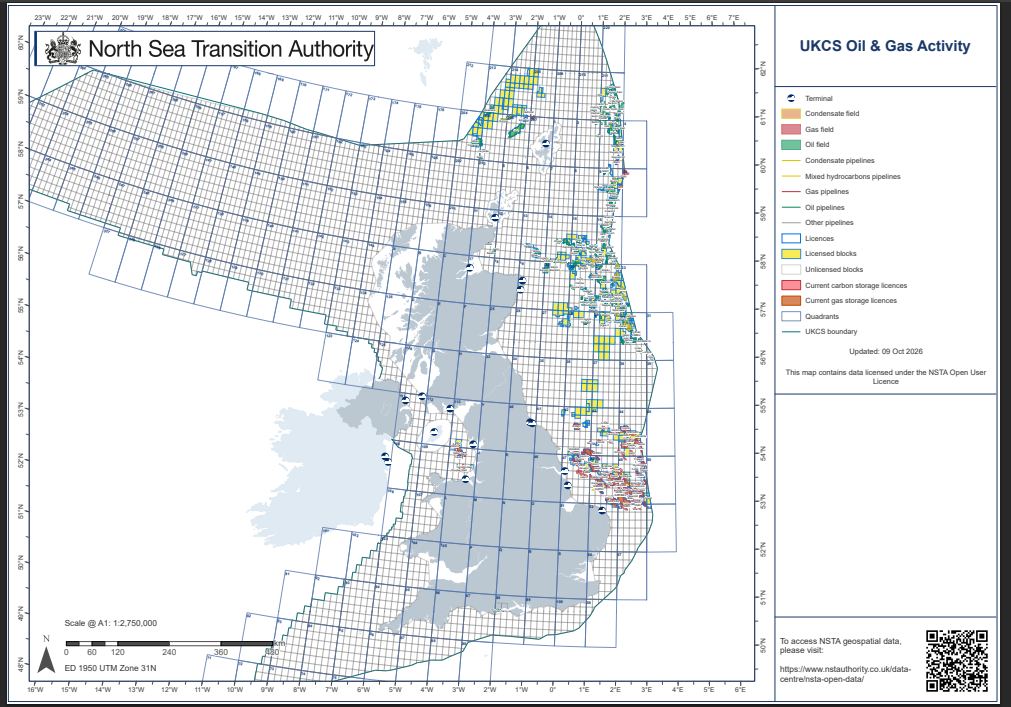
On 20th of April 1948 the lighthouse keeper at Sule Skerry, 40 miles west of Orkney, Bert Rae, found a sealed bottled on the beach. The bottle contained a message which had been put in there by the S.S. Roy James Cole, an American ship. The message had been written by the ship’s master R. Hansen and officer Joseph E. Elon. The message contained the following details, that it had been dropped in the sea at Latitude 45.26W on 12th September 1947. Whoever found it was asked to contact them.

The bottles were used as a means to find out more about navigation and tides.
On June 10th 1914 Capt C Hunter Brown set into the sea 1,890 messages in bottles. This was part of a navigational experiment by the Glasgow School of Navigation ( later renamed the Glasgow College of Nautical Studies). One bottle, 646B, was eventually found 98 years later by Shetland skipper Andrew Leaper, about 9 miles from where it was dropped into the sea. This find was confirmed at the time to be the oldest ever recorded. Brown’s bottles were weighted and designed to bob along the sea bed.
In 2018 Tonya Illman found an old bottle on a beach near Wedge Island, 180 kilometres north of Perth, Australia. It contained a message from the 12th of June 1886 from the German barque Paula. It included instructions for anyone who might find the bottle washed ashore: they were requested to send the note to the Deutsche Seewarte (German Maritime Meteorology Institute) in Hamburg, or to their local German Consulate.

Before the age of flight, travel by sea was the only way to cross the great oceans of the world. It might seem strange to us today but it was crucial to the safety of shipping to learn about any hazards to navigation that might hinder passage. Messages in bottles were simple but the best means available at the time.
The Scottish scientist, T. Wemyss Fulton (1855 – 1929) used floating bottles and wooden slips in the 1890s to chart North Sea surface currents for the first time. Dr. Fulton was the superintendent of scientific investigations at the Fishery Board for Scotland. His research looked at ”overfishing and the culture of sea-fishes, the migration of fishes and their rate of growth, and the relation of marine currents to offshore spawning areas. ” T. Weymss Fulton Obituary Notice
Although thousands of bottles were released only a small percentage were ever recovered, however, these did provide important information which was used by marine scientists around the world.
Today, we now have fish and other floating materials which have been tagged which relay information to satellites. The message in a bottle may have been romanticised but essentially it was an important part of understanding how tides and currents across our seas work. Something we are still trying to understand.
Fiona Grahame


Leave a Reply