
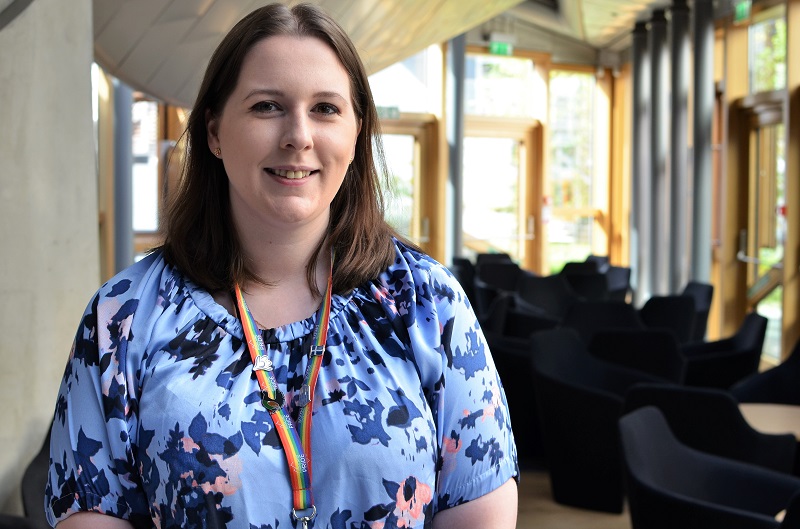

I was delighted, in my role as Migration Minister, to head to Fort William last Friday to launch the Scottish Government’s Addressing Depopulation Action Plan.
As someone who grew up in the Highlands, and now represents the Highlands and Islands at Holyrood, I am all too aware of the impact of depopulation. Its drivers, including availability of housing, opportunity, and connectivity, have been top of my agenda since I was elected. It’s been a real privilege to take up this work in government, and I’ve been determined to work with colleagues to bring this action plan forward and now see it make real change.
The plan includes targeted funding to support places that are particularly impacted by the effects of depopulation and will consolidate work that is already ongoing in areas such as housing, education, and transport.
While I realise that Orkney is one of the areas in Scotland where the population is forecast to grow over the coming years, the fact that population changes can vary from place to place means that individual Orkney islands are likely to need to address the issue of decreasing population. Like the Highlands, where fast-growing Inverness skews the statistics for the whole council area, I know that we will learn more from the more localised data that is due from the Census team this year about movement between islands, and how much increase is Kirkwall and surrounding areas.
I also know that demographics run deeper than simply how many people are living in an area. The Housing Minister, Paul McLennan, was in Orkney last week and that the effect of housing on the ability of locals to stay in the islands was high on his agenda.
Despite the positive net figure for population growth, folk are still leaving Orkney in significant numbers. In 2020-21, for example, NRS stats tell us that, while 940 folk moved in, the level of out-migration was still 720, a 35.8% increase from 530 in 2019-20.
If the folk that are leaving the islands are young working-age individuals and families, then this is not as positive an outcome as face value might suggest.
We urgently need to address the critical issue of the loss of young working families from areas that are struggling to fill vacancies, and that also can’t afford to see school rolls drop. Some areas need targeted support to secure the populations required to ensure that local communities and economies not only survive but thrive.
There is no doubt that Scotland’s greatest asset is its people. The fact that we are seeing falling birth rates, an ageing population, and the impact of Brexit on inward migration means that there is much work to be done in this area to ensure a sustainable future for many areas in Scotland, not least the Highlands and Islands.
I am excited by this plan, but there is only so much that Scotland can do with the limited powers we have under devolution. While this is a Scottish Government priority, we could do so much more with the full powers over migration that are currently reserved to Westminster, with the hurt that is caused by the hostile nature of UK immigration policies.
Scotland’s migration needs are clearly different to those of the UK, and we need much more flexibility to welcome those who want to live and work here – and more power locally, where folk know best which issues need the most focus for their communities to be sustainable.
This is a regular column by SNP MSP Emma Roddick. All Highlands and Islands MSPs have been offered the same space in The Orkney News to share their personal views.



Leave a Reply