
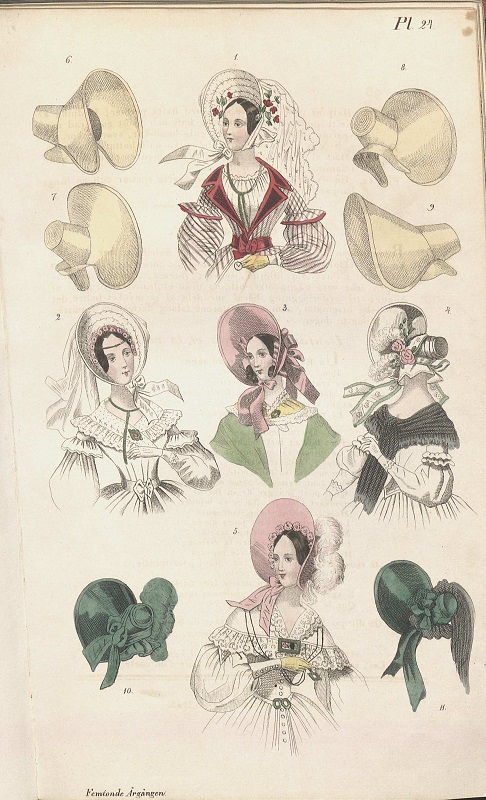
On 5th of May 1809, a patent was issued by the US Patent Office to Mary Keis for a new technique of weaving straw with silk and thread to make hats.

The Napoleonic War between Britain and France had created trade issues, not just in those two countries, and across Europe, but to the United States of America as well. Importing straw was stopped and, therefore, a home grown source of production had to be found for the making of hats. This was a massive industry and employed mostly women.
Mary Keis was the daughter of Irish migrants. She was born in in Killingly, Connecticut on March 21, 1752.
Her method of weaving straw was both efficient and popular. It was widely adopted. Mary Dixon Kies was inducted into the US National Inventors Hall of Fame.
Kies’ invention was praised by President James Madison’s wife Dolly for helping to improve New England’s economic situation, which had been hurt by an embargo on goods imported from Europe. New England’s hat industry was one of the few industries that continued to prosper during the War of 1812.
The straw hat industry employed thousands of women and was worth an estimated profit of $500,00 (now worth $4.7 million) made from straw hat manufacturing, although Mary Kies made very little profit from her sales.
Mary Keis’ patent was destroyed along with hundreds of others in the great fire which consumed the US Patent Office in 1836.
For a woman to be granted a patent in a male dominated time was extremely unusual. She died in 1837 penniless and was buried in a pauper’s grave in Brooklyn, New York.
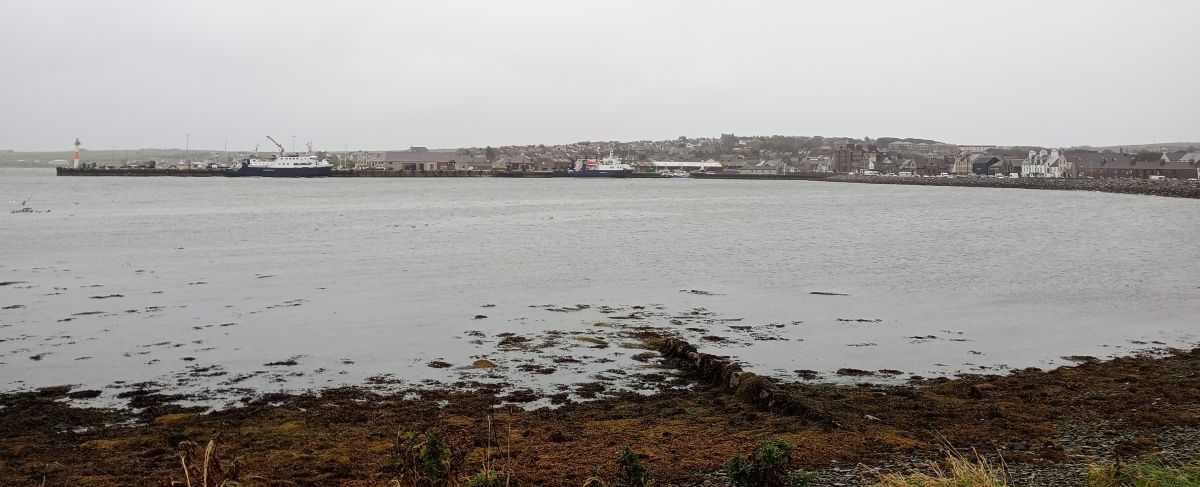
The straw plaiting industry was massive for over 50 years in Orkney making use of the fine straw and excellent weaving skills of the women of the islands: The Strawplaiters of Orkney at The Northlight Gallery




Leave a Reply