
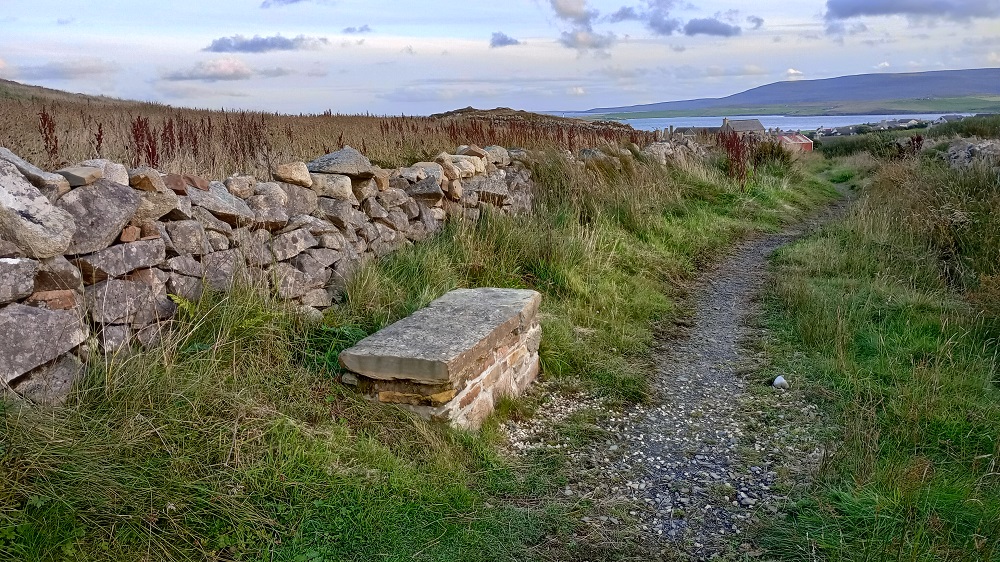
According to a new report by The Orkney Native Wildlife Project, a partnership between RSPB Scotland, NatureScot and Orkney Islands Council, Orkney Vole numbers have gone up and there is evidence of increased successful nesting attempts of ground nesting birds, including Hen Harriers and rare wading birds.
The Orkney Native Wildlife Project is an ambitious world-first for conservation. It’s the largest eradication programme to take place in inhabited islands, aiming to protect rare and threatened species, by ridding the islands of stoats.
In 2010 a stoat was recorded in Orkney for the first time. In 2019 The Orkney Native Wildlife Project was formed, aiming to eradicate Stoats from the islands. The project states that it has so far eradicated over 6,500 stoats.

Commenting on the new report Anne McCall, Director of RSPB Scotland, said:
“This is a success story for conservation against the backdrop of a nature crisis that is pushing more of Scotland’s wildlife to the brink. Working in partnership on the biggest project of its kind ever attempted we are restoring the natural balance to Orkney.
“The accidental introduction of stoats to the islands has had a devastating effect on our wildlife, especially smaller mammals and ground nesting birds.
“The work is now at a critical stage and we are looking for additional financial support so we can finish the job. Through the continued support of the National Lottery and NatureScot we are over halfway to securing the funding we need and are calling on individuals to help us protect and defend the wildlife of Orkney.”

The Key Points from the report
- Most successful year for Hen Harrier nests since the Orkney Native Wildlife Project (ONWP) began.
- A great year for the Orkney vole, with activity signs higher than in all previous years across Mainland and Island sites.
- For the third year in a row, overall wader nest success rates at Mainland sites were at least 100% higher than in 2019.

The report states that Hen Harrier nest success rates in 2023 were the highest since the Orkney Native Wildlife Project began in 2019. This data was collected and provided to the ONWP by the Orkney Raptor Study Group.


You can download a summary of the report here:
The National Lottery Heritage Fund has invested a further £2.5m, and the Scottish Government’s Nature Restoration Fund, managed by NatureScot, has provided over £1.5m in additional support for the Orkney Native Wildlife Project in reaching its final phase of work.
When it started The Orkney Native Wildlife Project was awarded over £6 million of funding from the EU Life Fund and the National Lottery Heritage Fund as well as match funding from NatureScot and RSPB Scotland.
This is the largest project of its kind in the northern hemisphere, and the only one in an inhabited island archipelago. The project believes it will eradicate stoats from Orkney by 2030.
Geese
Goose Schemes in Scotland in locations where migratory geese cause significant agricultural damage, are in place. These include Islay, Coll, Tiree, Uist and South Walls. The schemes also aim to reduce the numbers of resident greylag geese on Tiree, Coll, Uist, Lewis, Harris and Orkney. The schemes are supported by the Scottish Government and NatureScot. The current budget for goose management actions focused on islands is over £1 million.


Fiona Grahame


Leave a Reply