
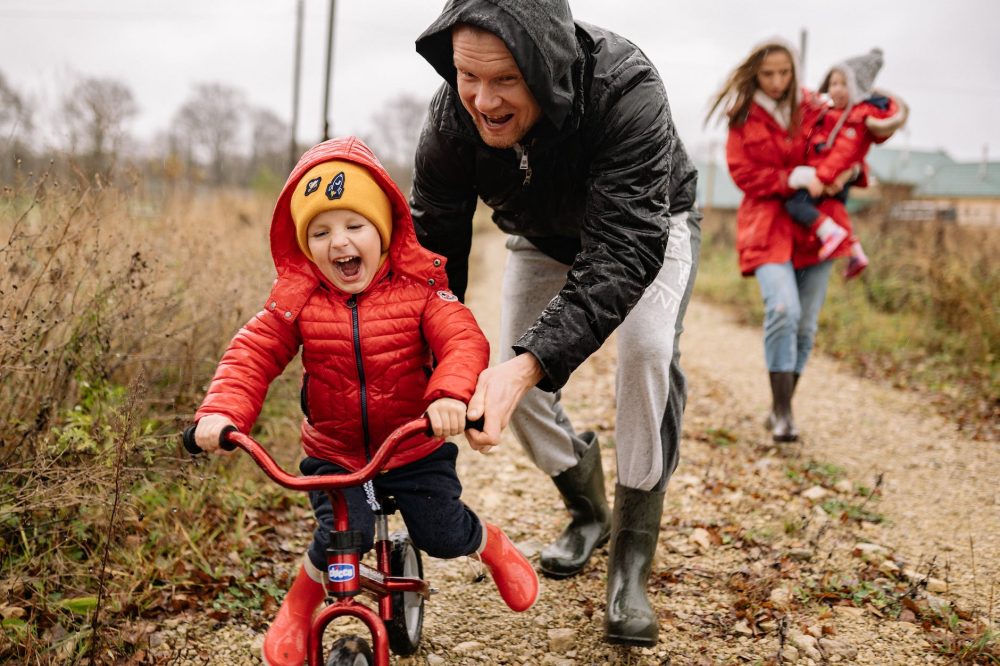
Scotland now has more than a million people aged 65 and over while there are fewer than 750,000 people aged under 15.
In Orkney, according to the 2022 Census for Scotland, out of a population of 21,958. the number of people aged 65 years and over is 5,480. The number of people aged 15 and under is 3,506.
Scotland’s fertility rate is now at its lowest point ever as couples delay having children and fewer are born. Deaths outnumber births by the largest margin ever. There were 17,510 more deaths than births in 2023. This means that the population of Scotland is no longer replacing itself by births – to maintain its population it requires immigration of reproductive young people to settle in the nation.

Immigration to Scotland is now at its highest ever rate both from within the UK and internationally. 10.2% of all people in Scotland were born outside the UK, 17.8% of those aged 20 to 39 were born outside the UK with 59.1% of this group educated at a degree level qualification or higher. 29.5% were students.
In Orkney most of the resident population was born in the UK with 965 born outwith the UK. 621 of those people have been in the UK for more than 10 years.
Year of arrival into the UK – data for Orkney
| Year of Arrival into UK | Number of people |
| Before 1941 | 3 |
| 1941 – 50 | 10 |
| 1951 – 60 | 50 |
| 1961 – 70 | 70 |
| 1971 – 80 | 71 |
| 1981 – 90 | 61 |
| 1991 – 2000 | 109 |
| 2001 – 2010 | 222 |
| 2011 – 2013 | 71 |
| 2014 – 2016 | 89 |
| 2017 – 2019 | 96 |
| 2020 – 2022 | 109 |
Looking at those figures in more detail for Orkney. The country of birth for those living in the islands (figures do not show how many are born in Orkney, just countries) :
- Scotland: 16, 314
- England: 4,449
- Wales: 137
- Northern Ireland: 88
- Channel Islands & Isle of Man: 19
- EU Member Countries: 407
- Europe, non EU Countries: 39
- Africa: 143
- Middle East and Asia: 142
- The Americas and The Caribbean: 128
In Orkney out of a population of 21,958 with 16,314 being born in Scotland – those identifying themselves as Scottish only = 14,278.
Commenting on the demographic results for Scotland as a whole NRS Chief Executive and Registrar General, Alison Byrne, said:
“A big trigger for the changes are the babies born in the booms of the 1940s and 1960s. In their lifetimes they’ve seen a lot of cultural change including the move to smaller families.
“As these changes take place in a population its needs change profoundly. Data lets us understand this and creates opportunities to plan.”
There have been changes to the leading causes of death in Scotland. With fewer people dying of coronary heart disease and cancer at younger ages, more people live to older ages. While at the turn of the century Dementia and Alzheimer’s Disease was the sixth most common cause of death, today it’s the second.
Change is also felt at local level. Most people moving to Scotland arrive in the cities for work or study. Some local authority areas in the west and south west saw their populations fall from 2011 to 2022 as a result of deaths outnumbering births. T
The ageing population is increasing the number of people living alone. Scotland’s Census 2022 data show this had risen by 5.8% since 2011.
The increase in older people has also led to a rise in the percentage of people owning their home outright. Census data show this rose by almost six percentage points to 33.9% of households.
Fiona Grahame



Leave a Reply