
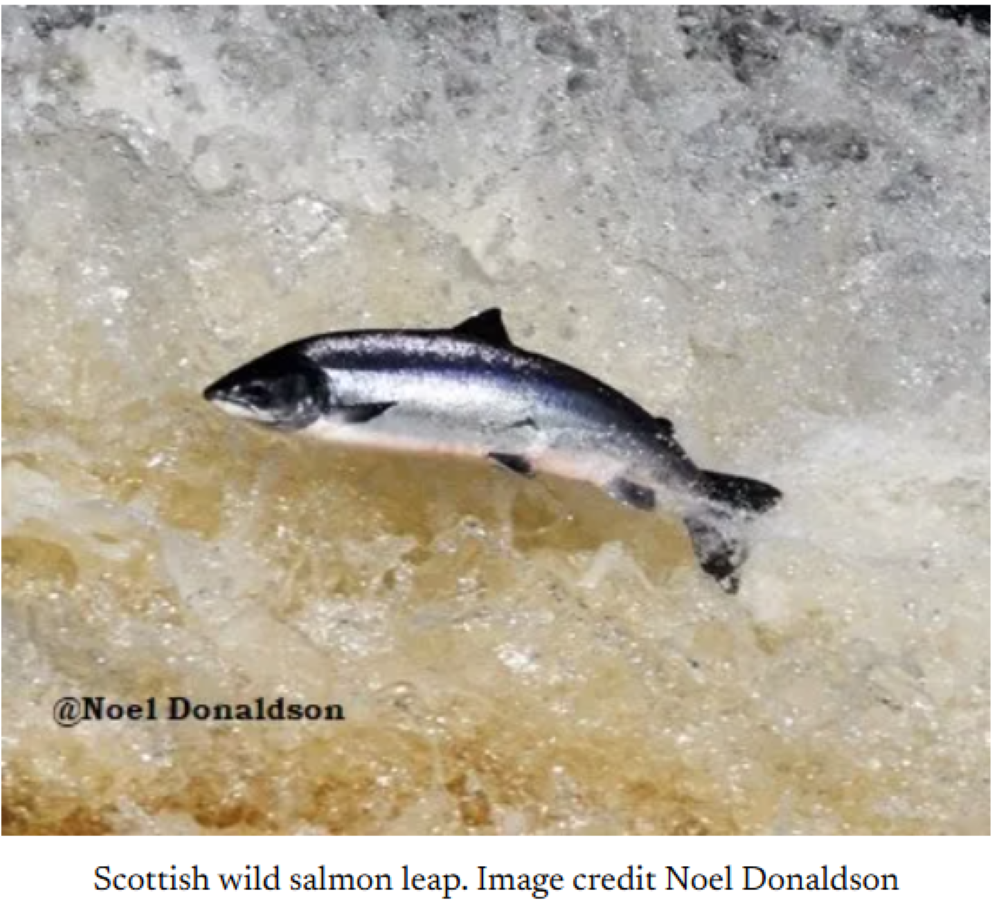
The Highlands and Islands is the area with the largest number of recorded wildlife crimes in Scotland as reported in Statistics just published for the year 2023.

There were 35 wildlife crimes recorded by Highlands and Islands Police Scotland for the period 2022/23:
- Badgers: 2
- Birds: 13
- Cruelty to wild animals: 2
- Deer: 1
- Fish poaching: 14
- Hunting with dogs: 0
- Other conservation offences: 1
- Other wildlife offences: 2
- Poaching and game laws: 0

Overall there has been a decrease in the numbers of wildlife crimes in Scotland – these are of reported cases. Over half of all recorded wildlife crimes in 2022-23 were categorised as either offences involving birds (31%) or fish poaching (25%).

Not all the cases which are reported are then proceeded with. For the 2022/23 period, of 220 reported cases, 63 went to the Crown Office and Procurator Fiscal Service, and of those only 15 were prosecuted, 37 received a fine (or something similar), and no further action was taken on 11.
What constitutes a wildlife crime in Scotland?
Wildlife crimes range from the illegal trade in endangered species to hare coursing and egg collecting. They can result in animals suffering cruel and inhumane deaths and can make endangered species even rarer. – Scottish Wildlife Trust
36 people were proceeded against for wildlife crimes in Scotland in 2022/23.
25 were found guilty for at least 1 offence.
Most of those who are found to have committed a wildlife crime in Scotland are fined. The average monetary fine for all offences was £823. Fines ranged from £349 for fish poaching to £2813 for offences against badgers.
From 2018 to 2023 no one who was found guilty was sent to prison.
The crimes committed include:
- persecution of badgers: 16 offence, 14 of which involved digging, damage and obstruction to setts.
- persecution of raptors: 22 offences, of which 15 involved peregrine falcons.
- poisoning
- hunting with dogs

If you witness a suspected wildlife crime in action or a suspect is nearby, call 999 immediately and ask for the police. For all other enquiries, the non-emergency 101 number should be used to contact your local police. If you feel that you would rather remain anonymous, you can call CrimestContactoppers on 0800 555 111.
As the police are the lead enforcement agency for wildlife crime, you should also follow up by ensuring that the appropriate regional Wildlife Crime Liaison Officer has been informed that a wildlife crime has been reported.
Every Division in Police Scotland has a Wildlife Crime Liaison Officer and there is also a network of part-time Wildlife Crime Officers across the force.
Wildlife Crime is any illegal act in Scotland affecting certain birds, animals, and plants including their habitats. It includes the illegal disturbance, destruction, theft, and sale of animals and plants both in the countryside and urban areas, and also the damage and destruction of protected habitats. Wildlife Crime poses significant harm to the species targeted by the criminals, as well as the communities who rely on wildlife for employment and tourism. – Police Scotland

Fiona Grahame

Leave a Reply