
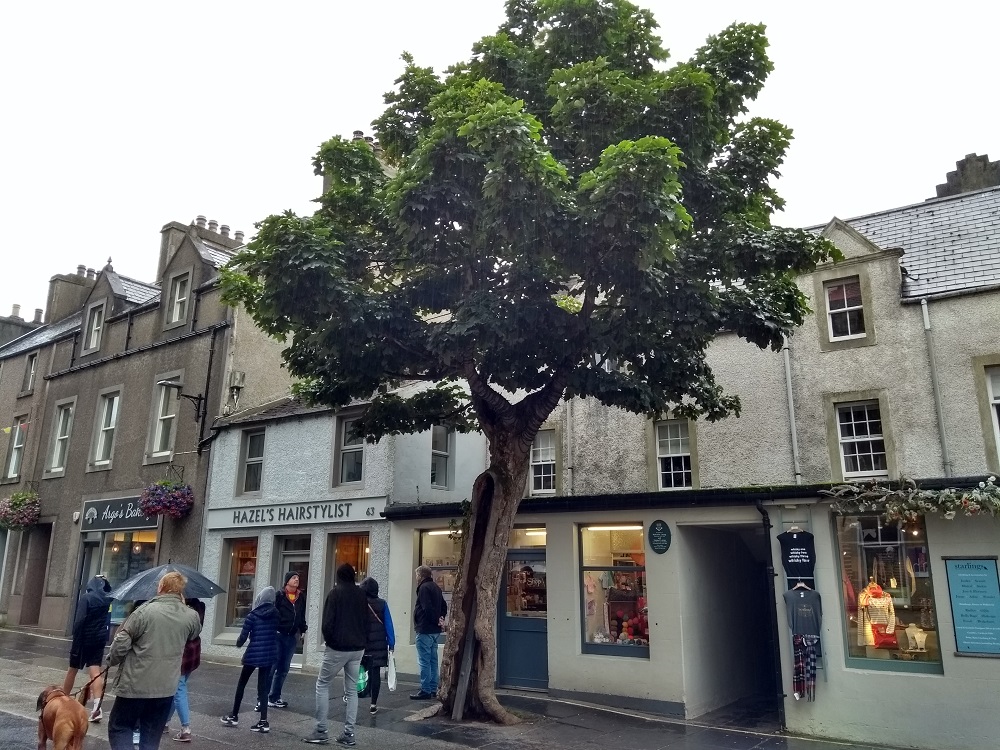
Orkney Islands Councillors decided on Tuesday 4 March to increase council tax by 15%, the highest in Scotland. The deeply unpopular decision goes against the advice of the council’s own officials and the deep concerns of Orkney’s voluntary Third Sector. Despite an online petition raising over 1,000 objectors to the move in only a matter of days, the councillors voted to hike the council tax by 15% with 15 voting for and only 6 against.
Councillor Steven Heddle, who is also the Vice President of COSLA, the organisation which represents all of Scotland’s Local Authorities, tried to get the councillors to back his recommendation for just an 11% increase.
Councillor Heddle stated:
“The service cuts and exemptions are just the same for both the 11% and 15% rises. 15% does not get you more services. This is a fact, which I have checked.
“£20M of course is a lot to take out of reserves, but we said we would do that last year and we haven’t. Last week I posed the question of how much we will actually take from reserves in the financial year just ending, and I think the answer was closer to £9M. So we have more money in reserves already than we expected.”
And for those who criticised the objectors of the rise as ‘keyboard warriors’ he had this to say:
“To say this is all the work of keyboard warriors is disrespectful. Any of us can look down the list of reactions and see a lot of people we know, from all walks of life, who are reasonable people whose opinions we respect, and who are very unhappy at the 15% rise recommended. They ask: “Why are we having to face the highest percentage increase in the whole country?”
“It’s a good question, for we know that 11% is affordable to the council, for that was the best professional recommendation of our officers.
“We aspire to get our council tax up to the national average, but 15% will take us above the national average in one fell swoop. Only two councils so far have set council tax rises above 11%. We are getting closer to the national average even with a 11% rise, and would just be £19 below for the year.”
He reminded his fellow councillors “We work for the public.”
“And the best interests of the council lie in having a connection with the people we serve. Otherwise we are self-serving. We must remember that we are a Council, we provide services to people.
“Back when I was Leader and Convener, we drew up the Council Plan 2013 to 2018. I insisted that on the first page it should say ‘we will treat everyone fairly’. That there should be an expectation, and obligation, on the council to treat everyone fairly. To do things for them rather than to them. I was proud that the council agreed to this.
“But I’m not convinced we are treating people fairly if we give them the biggest council tax rise in Scotland when we can afford a 11% one instead, on top of all the other rises including energy, in a place with appalling fuel poverty.
“Life is not about things or money, it is about people.
“And the people have spoken- so who’s listening?”
The hike of 15% means that a person living in the average band D property will be charged £1,574.60 for council tax in 2025-26, up from the current £1,369.21.
All of this comes at the same time as people in Orkney are facing rises in all their household bills.
Water bills in Scotland are set to rise by 9.9% in April which will equate to an average monthly household increase for water and wastewater services of £3.68 per month or £44 per year from April 1.
Between 1 April and 30 June 2025, the energy price cap is set at £1,849 per year for a typical household who use electricity and gas and pay by Direct Debit. This is an increase of 6.4% compared to the cap set between 1 January to 31 March 2025 (£1,738).
Food and non-alcoholic beverage prices rose by 3.3% in the year to January 2025, up from 2.0% in December 2024. (Office of National Statistics).
Morven Brooks, Chief Executive of VAO (Voluntary Action Orkney) said:
The third sector serves as a lifeline for many in Orkney, especially during these challenging times,” The proposed council tax increase, coupled with funding uncertainties, places our organisations in a precarious position, potentially affecting the most vulnerable members of our community.”
Leader of OIC Heather Woodbridge said the decision was about finding the “right balance” and the increase would bring in a “significant” amount of additional cash for services.



Leave a Reply