
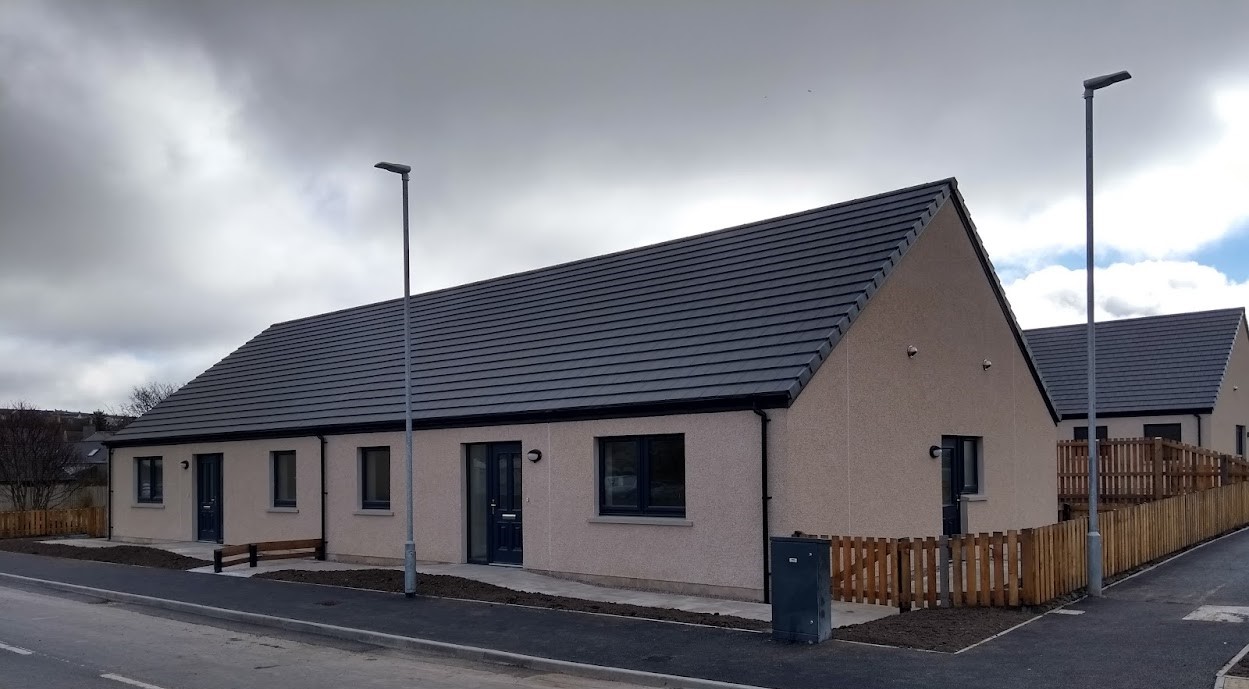
Housing is in crisis and put simply but accurately, not enough houses are being built.
In the latest released figures for Orkney the number of house completions were:
| Year | Total | Private | Local Authority | Housing Association |
| 2024 | 68 | 46 | 14 | 8 |
| 2023 | 102 | 74 | — | 28 |
| 2022 | 82 | 48 | 8 | 26 |
| 2021 | 96 | 60 | 36 | — |
| 2020 | 77 | 69 | — | 8 |
| 2019 | 60 | 60 | — | — |
| 2018 | 138 | 98 | — | 40 |
| 2017 | 146 | 89 | — | 57 |
| 2016 | 105 | 54 | 37 | 14 |
| 2015 | 96 | 64 | 20 | 12 |
| 2014 | 87 | 64 | 22 | 1 |
The figures for Scotland as a whole are just as disappointing. For all housing types there was a 4% decrease in completions between 2023-24.
- Private sector: 14,798 homes
- Social Sector: 4,490 homes
The number of housing starts – those are houses not yet completed but started – there was an 11% decrease in all sector housebuilding starts.
Not only are not enough houses being built, but more importantly – not enough affordable housing is being completed or even started.
Affordable Housing Supply Programme, in 2024-25, there were 4,775 approvals, 5,424 starts, and 7,444 completions of affordable homes.
The number of completions was down by 22% (-2,070 homes) compared to 2023-24. Approvals and starts also decreased by 31% (-2,167 homes) and 21% (-1,471 homes) between 2023-24 and 2024-25 (year ending March).
The Scottish Government has committed to a target of affordable housing delivery of 110,000 affordable homes by 2032, of which at least 70% will be for social rent and 10% will be in rural and island communities.
By 2024-25, 28,537 affordable homes have been completed towards the target. These completions consist of 21,937 (77%) homes for social rent, 4,087 (14%) for affordable rent, and 2,513 (9%) for affordable home ownership.
The Covid pandemic seriously affected the housebuilding programme and the cost of materials has risen significantly, partly due to Brexit. The increase in the cost of building materials affects not just new builds, but renovations and repairs.
The graph shows the steep increase in the price of building materials since the UK left the EU, in addition to the rise in energy prices, and the war in Ukraine – all affecting the rise.
Monthly construction material price indices and consumer price inflation including owner occupier housing costs (CPIH), UK: 1996 to 2024

Construction materials experiencing the greatest price increases and decreases in the 12 months to January 2025, UK
| Construction materials | (% change) |
|---|---|
| Other builders’ ironmongery | 9.5 |
| Precast concrete: blocks, bricks, tiles and flagstones | 6.8 |
| Pre-cast concrete products | 5.1 |
| Pipes and fittings (rigid) | -4.6 |
| Concrete reinforcing bars (steel) | -5.1 |
| Fabricated structural steel | -10.0 |
In Housing 2040, the Scottish Government acknowledging that the Covid pandemic had highlighted the importance of good housing for public health stated:
As we look to develop our approach to housing over the next twenty years, housing will be pivotal to that recovery. And we have an opportunity to ensure that our actions as we rebuild and renew are guided by the principles of social justice, equality and human rights.
Homes have never been simply bricks and mortar – good housing and homes support our health, our wellbeing, our life chances and our job prospects. Everyone should have a home that brings them those chances and opportunities. – Aileen Campbell Cabinet Secretary for Communities and Local Government, in Housing to 2024
The Scottish Government has brought in protection for tenants as part of that commitment, but it needs to do more if the target of 110,000 affordable homes by 2032 is achieved.

Fiona Grahame

Donate to The Orkney News
£2.00


Leave a Reply