
The saltwater crocodile, at 23 feet (6.5 m) and weighing in at over 2,200 pounds (~1,000 kilos), is the largest reptile on the planet. There are many different species of crocodile. Dwarf crocodiles attain an adult length of 1.7–1.9 m (5.6–6.2 ft). Adult specimens typically weigh between 18 and 32 kg (40 and 71 lb).
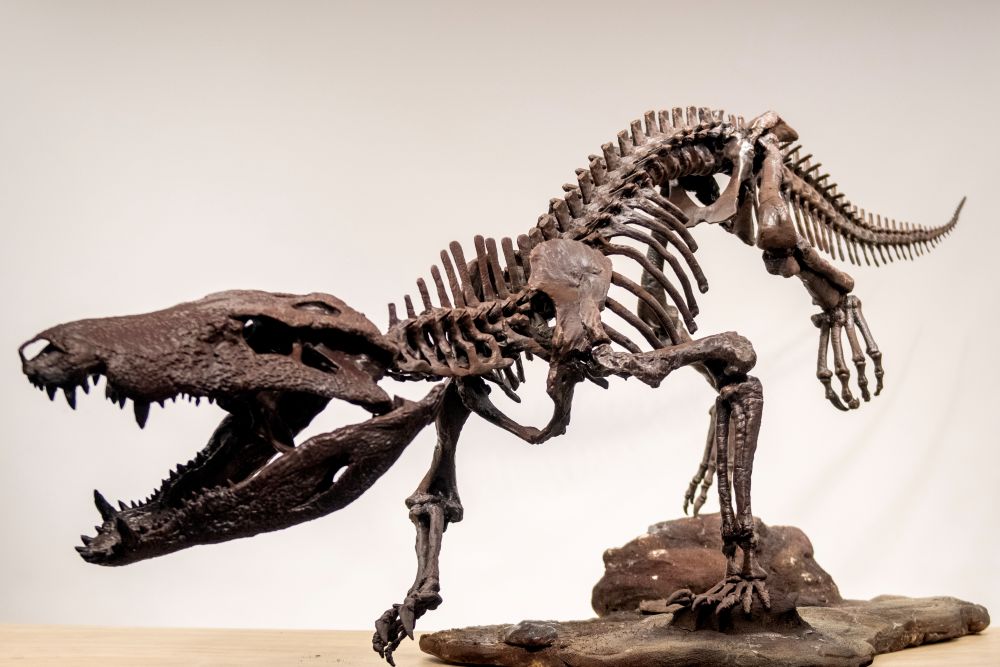
A fossil from Argentina has been found to be a new species of a large, crocodile-like predator that once hunted in the warm waters where Patagonia now is.

The Chorrillo Formation formed around 70 million years ago, during the Maastrichtian age at the very end of the Cretaceous period. At this time, southern Patagonia was a warm, seasonally humid landscape of freshwater floodplains, home to creatures like dinosaurs, turtles, frogs, and various mammals.
The new fossil unearthed in this formation is largely intact, including a skull and jaws with visible details, as well as multiple bones from the body. This crocodile-like apex predator may have reached around 3.5 meters (11.5 feet) long and weighed around 250 kilograms (551 pounds), with a wide, powerful jaw and big teeth capable of devouring large prey — likely including medium-sized dinosaurs.
The researchers led by Fernando Novas from Museo Argentino de Ciencias Naturales “Bernardino Rivadavia”, Argentina, have named the species Kostensuchus atrox, referring to the Patagonian wind known in the Tehuelche native language as the Kosten and the Egyptian crocodile-headed god known as Souchos, with atrox meaning “fierce” or “harsh”.


K. atrox itself is not a dinosaur, but rather a peirosaurid crocodyliform, an extinct group of reptiles related to modern crocodiles and alligators.
This species is the second-largest predator known to scientists from the Maastrichtian Chorrillo Formation, and the researchers believe it was likely one of the top predators in the region.
K. atrox is also the first crocodyliform fossil found in the Chorrillo Formation, and one of the most intact peirosaurid crocodyliforms ever found, giving scientists unique new insight into these prehistoric animals and their ecosystem.
Click on this link to access, A new large hypercarnivorous crocodyliform from the Maastrichtian of Southern Patagonia, Argentina, published in PLOS One.


Leave a Reply