
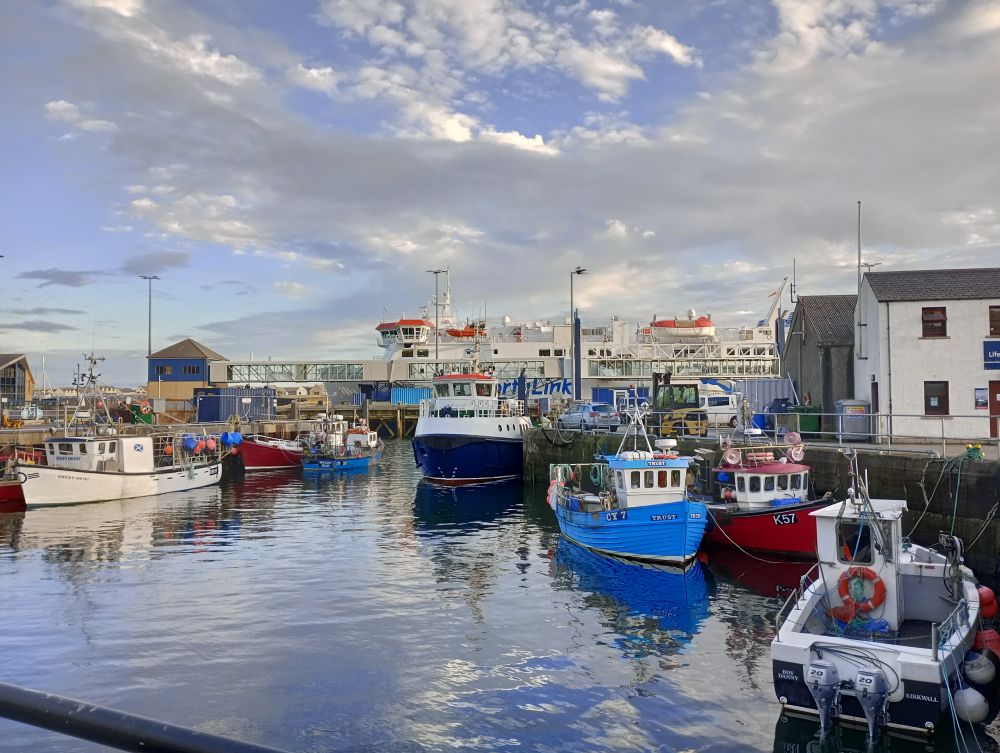
A successful area of Scotland’s fishing sector is that of shellfish, however, the published statistics for 2024 show a decrease in value and landings from last year:
- 2024: value, £161million, decrease of 15%
- 2024 : landings, 52 thousand tonnes, decrease of 3%
Nephrops (Norway lobster or Langoustine) continues to be of the most value commercially, bringing in £76million (11% of the total value landed by Scottish vessels), 18 thousand tonnes. This species is the only one to have quota attached to the number which can be caught. The full quota was not used by Scottish Vessels, and it varied according to area : – only 51% in the North Sea, and 73% in the West of Scotland, which was the highest quota recorded.
Shellfish landed by Scottish vessels reached its peak in value in 2019, £200million.The lowest catch year in the period covered in the table below was 2020 the year of the Covid Pandemic when there were restrictions on what people could do, and many were ill from the virus.
Landings of Shellfish by Scottish Vessels from 2015 – 2024
| Year | tonnage (thousands) | value (millions £) |
| 2015 | 134 | 58 |
| 2016 | 166 | 64 |
| 2017 | 183 | 62 |
| 2018 | 177 | 54 |
| 2019 | 200 | 63 |
| 2020 | 122 | 48 |
| 2021 | 162 | 57 |
| 2022 | 187 | 53 |
| 2023 | 183 | 54 |
| 2024 | 161 | 52 |
There is a variety of shellfish caught by Scottish vessels. The table below also shows how the price per tonne for shellfish landings has dropped considerably in one year.
| Species | Value 2023 £millions | £ per tonne (real terms) 2023 | Value 2024 £millions | £ per tonne (real terms) 2024 | % Change |
| Edible crabs | 19 | 2,804 | 14 | 1,926 | -30 |
| Lobsters | 21 | 15,709 | 19 | 13,896 | -13 |
| Nephrops | 85 | 4,331 | 76 | 4,152 | -15 |
| Queen Scallops | 2 | 507 | 2 | 473 | -11 |
| Razor Fish | 5 | 9,679 | 4 | 8,460 | -18 |
| Scallops | 32 | 2,322 | 32 | 2,004 | -3 |
| Squid | 11 | 4,660 | 8 | 3,928 | -30 |
| Velvet Crab | 4 | 3,391 | 4 | 3,070 | -13 |
| Other Shellfish | 3 | 1,564 | 2 | 1,335 | -39 |
As well as the value dropping and less catch being landed, the number of vessels engaged in the shellfish sector has also dropped.
Over the last 5 years the numbers of boats under 10m at the creel fishing in Scotland has dropped from 892 to 786. Under 10m Nephrops trawls has dropped from 51 to 48.
For larger vessels – those over 10m the picture is the same of a decreasing number engaged in this sector:
- Creels : decrease from 99 to 86
- Nephrops Trawls : decrease 187 to 168
- Other Shellfish : decrease 93 to 64
It is a worrying trend in Scotland. Shellfish is a valuable food source, sustainably fished.
Shellfish provide protein, vitamins and minerals, are low in fat and a source of the Omega-3 fatty acids. Shellfish are excellent sources of protein; a 100 g serving of shellfish provides about 10-25 g of protein, roughly a third to half of the average UK recommended protein intake. The protein in shellfish is of high quality, containing many essential amino acids and very digestible for people of all ages. Shellfish are also generally lower in fat, less than 5%, and accordingly contain fewer calories than beef, poultry or pork. – The Nutritional Benefits of Shellfish.
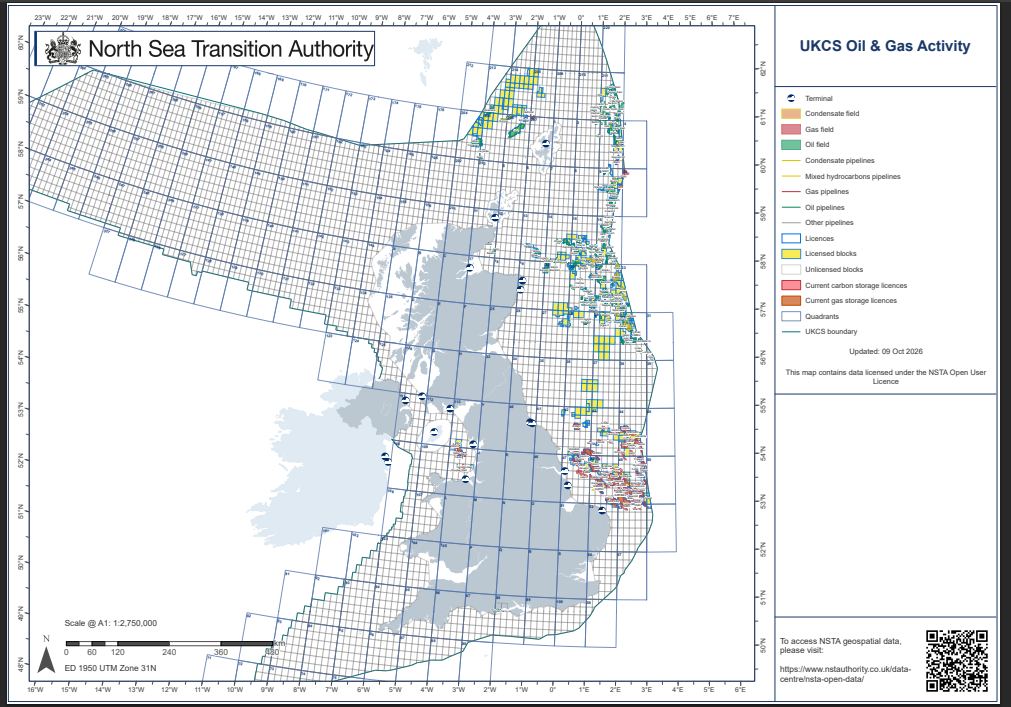
Scottish Fishermen’s Federation (SFF) Elspeth MacDonald recently highlighted the increasing industrialisation of Scotland’s Seas and fears that these are at the expense of the fisheries sector.
Elspeth MacDonald said:
“Its ARROW programme – Acceleration and Regulatory Reform of Offshore Wind – is focused on ways to make it faster, easier and cheaper for the industrialisation of Scotland’s seas, building vast windfarms with very limited understanding of how they will change the environment, and knowing through its own assessments, which confirm what we have been telling them for several years, that if the government goes ahead as planned, then it will do long-term, significant damage to our industry.”
The SFF welcomed the Scottish Government’s management measures for offshore Marine Protected Areas (MPAs). Commenting on MPAs Elspeth MacDonald said:
“Scottish Ministers have shown that when it comes to these MPAs, they have been willing to adopt common sense measures based on dialogue, compromise and trust – it is high time that they followed suit on offshore wind projects, which in some areas threaten to squeeze the fishing industry out of existence on the scale currently planned.”
The fishing sector as a whole faces considerable trading challenges now with the UK having left the world’s largest free trade market, the EU, the uncertainty of Trump’s tariff wars, and increasing conflicts across the world which disrupt trading routes.
Seafish reports:
The UK continued to face high costs and increased risks of trading with the EU due to non-tariff barriers in 2024. These included health certificates, increased border checks, and destructive testing of products, impacting exports of agrifood products and seafood from Great Britain to the EU and Northern Ireland. This has particularly affected the export market for the UK’s shellfish and whitefish industry.
Exporters have faced increased risk of shipments being rejected or partially destroyed through testing, as well as inconsistent interpretations of import requirements at border inspection posts. The cost associated with needing to identify and manage divergence in two regulatory regimes has also been a barrier to trade.
The UK Government agreed a new sanitary and phytosanitary (SPS) agreement (or veterinary agreement) with the EU (Gov.uk news release: May 2025).
The EU remains the UK’s top seafood trading partner with a 67% market share of UK seafood exports, however, that is on the decline.
On Monday 20 October The Orkney News published the following article:
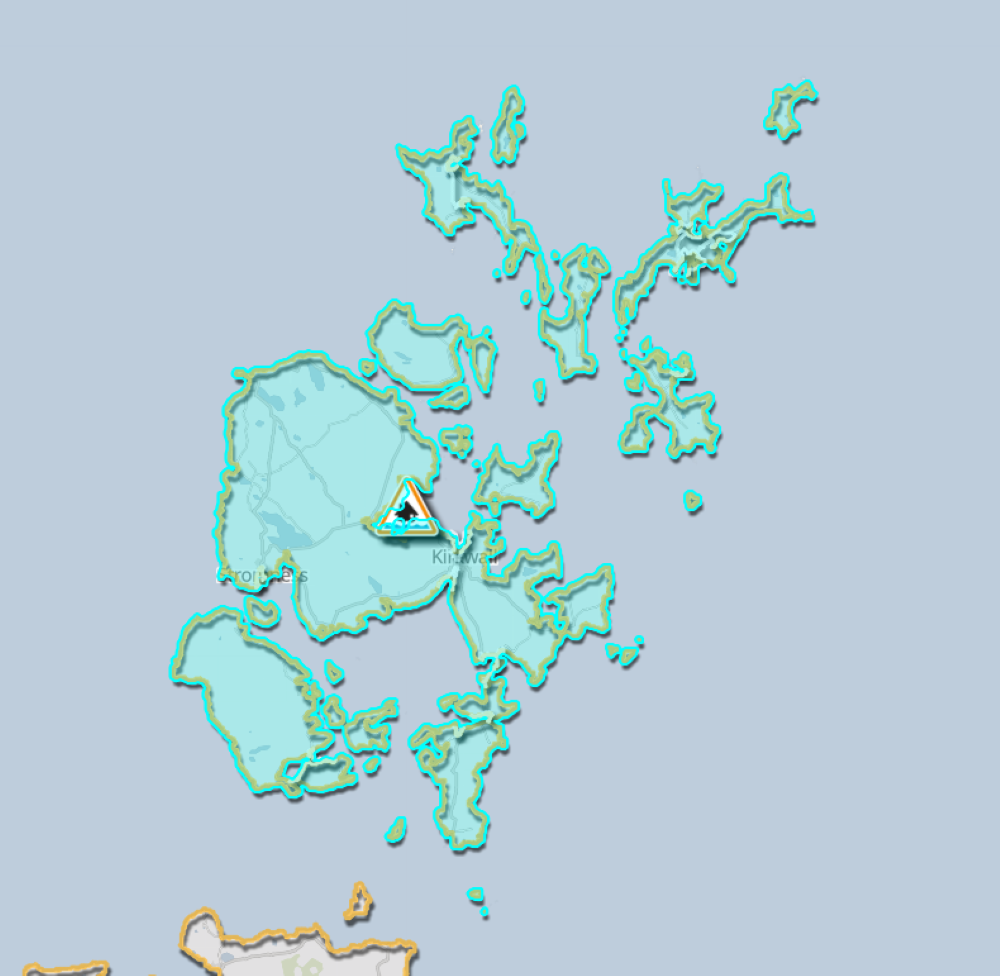
This article is a follow up taking a closer look at the Shellfish Sector which is important in Orkney in terms of income generated, employment, and the cultural heritage of our island communities.
Look out for Wednesday’s article about Orkney’s dived scallop sector and the challenges it is facing.

Fiona Grahame


Leave a Reply