
By Fiona Grahame
“It was one of those squally nights with blinding snow and a heavy sea running. All had turned in except the second fisherman who was on watch. About one o’clock, and going at full speed, they were greatly surprised to find the ship had grounded.”
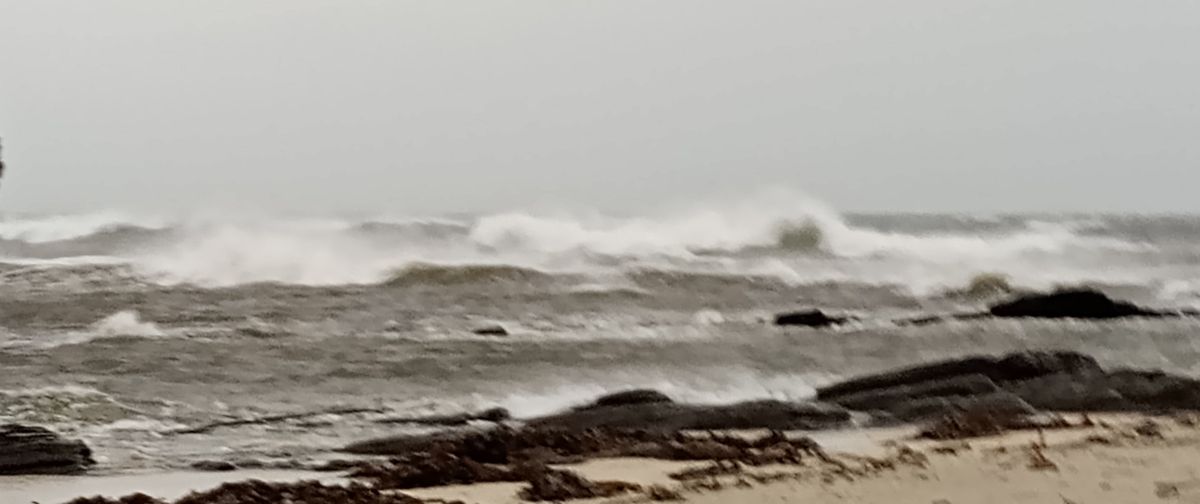
In the Spring of 1931 great gales rocked the islands of Orkney. The worst snowstorm of the winter wreaked havoc with telegraph poles torn down and roads blocked as winds of over 82mph blasted across the land.
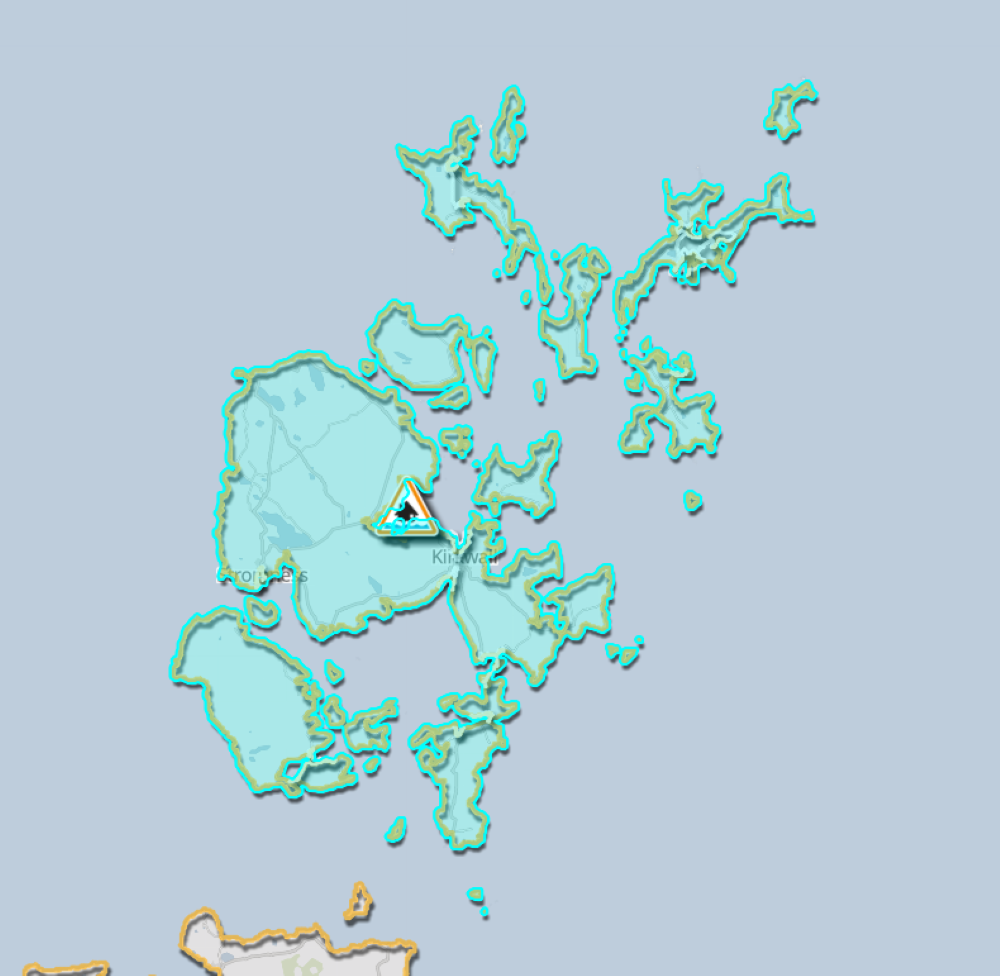
For ships at sea it was a disaster with even those tied up in the shelter of Kirkwall Harbour in danger. Many fishing vessels called into Orkney in those days. The anchor of the Grimsby trawler Lord Selbourne failed to hold and she was driven ashore. Blowing her siren she alerted the Coastguard Station where Mr J Donovan fired a ‘stand by’ signal to alert local volunteers of the Rocket Brigade to be ready to go to the vessel’s aid. The crew of the Lord Selbourne managed to get her underway, however, the men of the Rocket Brigade remained ready throughout the night.
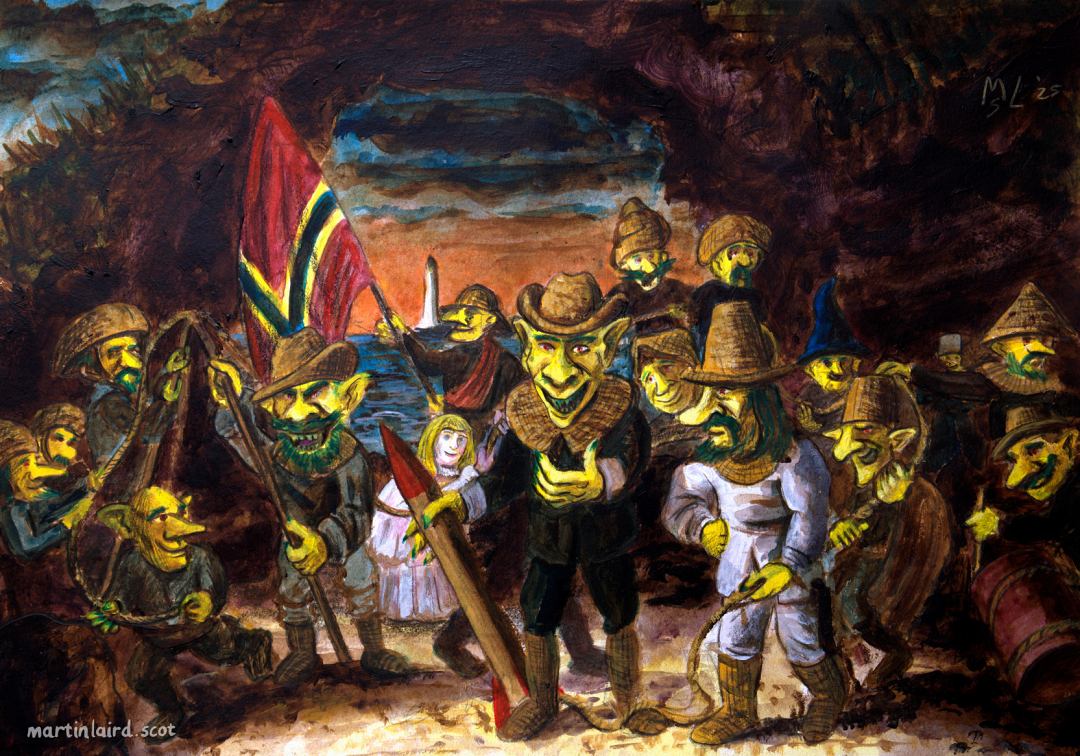
It was not so lucky for another trawler, this time the Hannah E. Reynolds out of Aberdeen. She was driven onto rocks at Bow Head, Aikerness, Westray, at 1am on a Sunday morning. Two members of the island’s Rocket Brigade were on night watch. Alerting the rest of their team, and driven by Thomas Drever in a lorry, and Mac Brown in a van, they rushed to the scene of the stricken vessel.
The distance of the vessel was too great for the rocket to reach with its lifesaving equipment. A telegram was immediately dispatched to Stromness to summon the lifeboat from the town.
Although no time was wasted, it was slow going as the lifeboat struggled to reach the vessel. Meanwhile the pounding of the sea pushed the trawler towards rocks south of the boat nousts below Skaill Farm. It was now close enough for the Rocket Brigade, who had followed the position of the trawler, to fire a rocket out to the crew who successfully secured the line.

The entire crew of nine men and a boy were rescued in about forty five minutes due to the valiant efforts of the men of the Rocket Brigade using the breeches buoy apparatus, and other islanders who also came out to assist. In a storm of such ferocity and in the early hours of the morning, no islander held back in providing what help they could. This included George Carter who was able to send messages to the vessel using Morse Code so that throughout the rescue the crew knew what was happening to get them safely ashore.
The rescued fishermen were first taken to Skaill farm where their immediate needs were catered for. The Chalmers of Skaill had been up all through the night awaiting their arrival. Once the men had recovered they were driven to the Bayview Hotel where the staff were also prepared for their arrival.
It took the Stromness lifeboat six hours to reach the scene because of the heavy seas and when they arrived they were delighted to see that the fishermen had been rescued. If the trawler had not drifted onto the rocks nearer the shore only the lifeboat would have been able to rescue the crew. The lifeboat then proceeded to make its way to Pierowall to gather provisions for the men including warm, dry clothing.
The next day the fishermen arrived in Kirkwall on the Earl Thorfinn. Rescued deck hand, Frederick Spratt, reported that if it had not been for the Westray Night Coast Watch being so alert and quick to summon the Rocket Brigade that the story might have had a very different ending.

He said:
“It was one of those squally nights with blinding snow and a heavy sea running. All had turned in except the second fisherman who was on watch. About one o’clock, and going at full speed, they were greatly surprised to find the ship had grounded.”
Rousing all the men, they rushed onto the deck with their lifebelts but the sea by this time was over the deck. They made their way to the bridge.
“Every wave seemed to get bigger and bigger. “
He praised the actions of the islanders for saving their lives. The rescued men were: from Aberdeen; Skipper, John Reynolds; Mate, James Smith; Chief Engineer, Edward Anguich; James Erskine; 2nd Engineer, Alex Barron; Deckhand, Fred Spratt; Deckhand, the Skipper’s son Benjamin Reynolds; William Mann; William Lazenby; and from Buckie, Fireman James Murray.
The snow and wintry conditions continued into the next week. A salvage boat, Bullger of Leith, managed to refloat the Hannah E. Reynolds and towed it into Kirkwall. The valuable catch of fish was all dumped. Conditions were so poor, however, that the onward journey to Aberdeen had to be abandoned, the operation only getting as far as Helliar Holm Lighthouse, Shapinsay, before having to return to Kirkwall until an improvement in the weather.
Leave a Reply