

“El Niño is strengthening – adding fuel to a planet already on fire with scorching heat domes, apocalyptic wildfires and record hot seas.” – UN Secretary-General António Guterres.
The wildfires which have burned with devastating effect this summer will possibly become even more widespread in the future according to new research by the Potsdam Institute for Climate Impact Research (PIK).
A serious wildfire broke out in Scotland’s Cairngorms National Park on 15 of July. The Scottish Fire and Rescue Service posted the following timeline showing how this fire took hold:
- Incident began: Wednesday, 15 July
- Scale of affected area: Approximately 25 square kilometres
- Firefighters mobilised throughout incident: More than 500
- Major incident declared: Friday, 24 July
- Major incident stood down: Saturday, 25 July
- Glenmore reopening announced: Thursday, 6 August (effective from Friday, 7 August)
Wildfires broke out in England and across Europe (1,768) causing the desolation of 619 613 hectares (ha).

The scientists from the Potsdam Institute for Climate Impact Research (PIK) with contributions from the Senckenberg Society for Nature Research found that in a low emissions scenario (SSP1-2.6), roughly 39 percent more land would be burnt per year by the end of the century compared to today’s average. In a high emissions scenario (SSP3-7.0), it would be around 192 percent.
Maik Billing, researcher at PIK explained:
“Climate change is driving up fire activity across Europe as hot, dry and windy conditions become more severe.
“Our results indicate there could be widespread increases in burned area even under comparatively low warming of around 1.8°C. But if we emit more, and global temperatures rise by roughly 3.6°C, we see fires become much more prevalent, especially around the Mediterranean and across much of Western and Central Europe, including areas that to date have not experienced many fires.”
Click on this link to access, ‘Future projections of burned area in Europe highlight the importance of human action’, published in Global Change Biology.
Climate change is also intensifying the impact of El Nino. The World Meteorological Organisation said that a strong El Niño is developing and expected to strengthen during August–October 2026. This will have the following effects:
- Above-normal temperatures are expected worldwide.
- Rainfall patterns show a classic El Niño footprint: Wetter conditions are expected in some regions, while drought risk increases in others
UN Secretary-General António Guterres said:
“Fossil fuels are fanning the flames of this crisis. Expansion must stop. More coal, oil and gas will lead to a more combustible future.
“Unless we act – to protect people and tackle the root cause of the crisis – the dangers will become deadlier still. The warm-up act is over. We cannot afford to wait for the main event.”
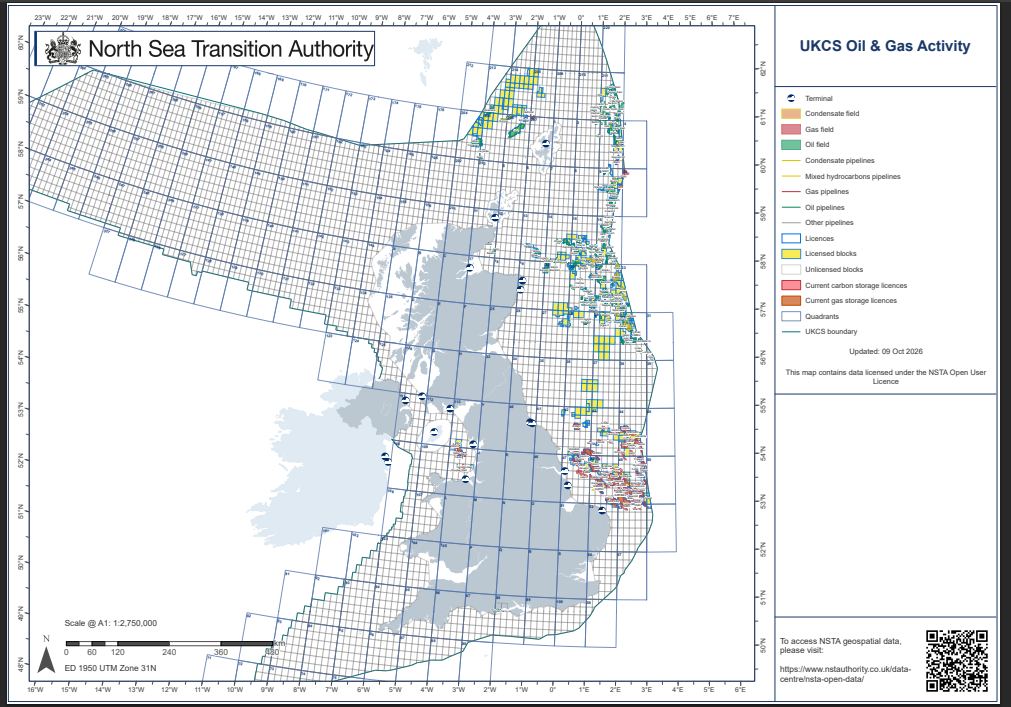
The Oil and Gas Industry in the UK is urging the Labour Government to approve The Rosebank oil field, 80 miles northwest of Shetland, and the Jackdaw gas field, east of Aberdeen. In 2014 during the Scottish Independence Campaign Scots were urged to vote No because the country would be impoverished with the late Sir Ian Wood’s view that Scotland had no oil left. It seems that was not the case.
But more importantly should new oil and gas fields be opened up in Scotland’s waters by the UK Government ? Scotland is a leading exporter of renewable energy, mostly from wind.

Is drilling for more fossil fuels the way forward with the extreme weather events of climate change causing flooding, wildfires, massive economic damage to communities, loss of life, and food insecurity.
In the UK the 2026 harvest is on course to be the worst on record, with farmers facing yield losses estimated at up to £390 million.
According to a Sky News report
Britain is now on track for one of its worst cereal and oilseed harvests on record, according to new analysis by the Energy and Climate Intelligence Unit (ECIU) think tank.
European farmers too are set for poorer harvests caused by heat and drought.
All this will impact the price of food.
It’s a crazy world where politicians are influenced in their decision making more by fossil fuel industry moguls than by research from scientists who have been warning of climate change for decades.
“We are at a crossroads in human history. Never before has there been a moment so simultaneously perilous and promising. We are the first species to have taken evolution into our own hands.” – Carl Sagan.

Fiona Grahame
Leave a Reply