
By Bernie Bell
I had an interesting meeting – I was cutting back the Alchemillas by our house, when two women and a dog went past and stopped to comment on my fishing floats. One of them remembered meeting me and Mike at Evie Sands a few years ago, and then I remembered her, as she was dragging an old creel along behind her at the time. And, at the time, she’d explained that she was working on a project for her Art Degree to do with trails – the trails that people leave behind them. We were walking one way – she was walking the opposite way, then, when we turned to come back, we noticed the trail she had left in the sand by dragging the old creel and thought she would probably have liked a picture of it!
Meeting again on the road by our house she took the opportunity to tell me more about part of what she’d worked on for her Degree. She told me the tale of fifteen Harray men who, in a particularly bad winter in the 17th Century, walked to the sea to try to find something to eat. As Harray is Orkney’s only landlocked parish, when the crops failed, there was simply no food and people were starving – but at the coast they might find fish, or even limpets – which can be eaten if needed.
And remember, the Harray men didn’t have the bad weather clothing that we have today – just normal jackets and boots. I don’t know if it was done in Orkney, but I know that where my folks are from in Ireland if nothing else was to be had, a sack across the shoulders kept the wet out a bit and gave a bit of warmth.
Echoes of what happened in the Clearances when people had to set off walking with nowhere to go but the coast. Another kind of trail.
The Harray men were caught in a blizzard on the way back and all died, leaving families behind.
What a story – I knew I’d have it in my head all day – longer than that. All too easy to picture it. And the women left behind having to just get on with it. Farming women were, and are, a hardy breed. I was put in mind of Granny Roper, my Dad’s Mum, whose husband died young, leaving her with 5 children and a hill-farm to work. Neighbour-men helped her, but when 15 men are taken from a community at one time, there just wouldn’t be enough men to cover all the work – making life in a hard time, even harder.
We were talking of how, even now with the possible repercussions of Covid and Brexit, we really don’t know how lucky we are compared to those people and how they had to scrape a living.
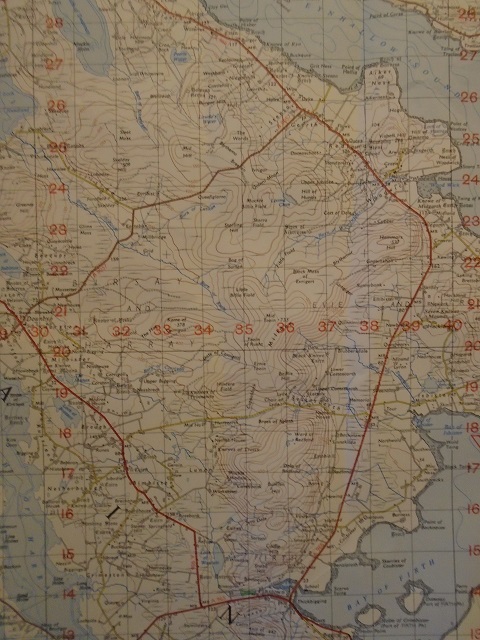
She also told me that there are some big stones on the hillside near Cottascarth as a memorial to those men. I didn’t think to ask exactly where the stones are and I would like to find them and think about the men and their families.
I commented that there would probably be descendants of those families still living in the area and she said that, though she did research, she couldn’t find out which families the men were from. Does anyone know, or have more information about this story of true heroism?



Leave a Reply