
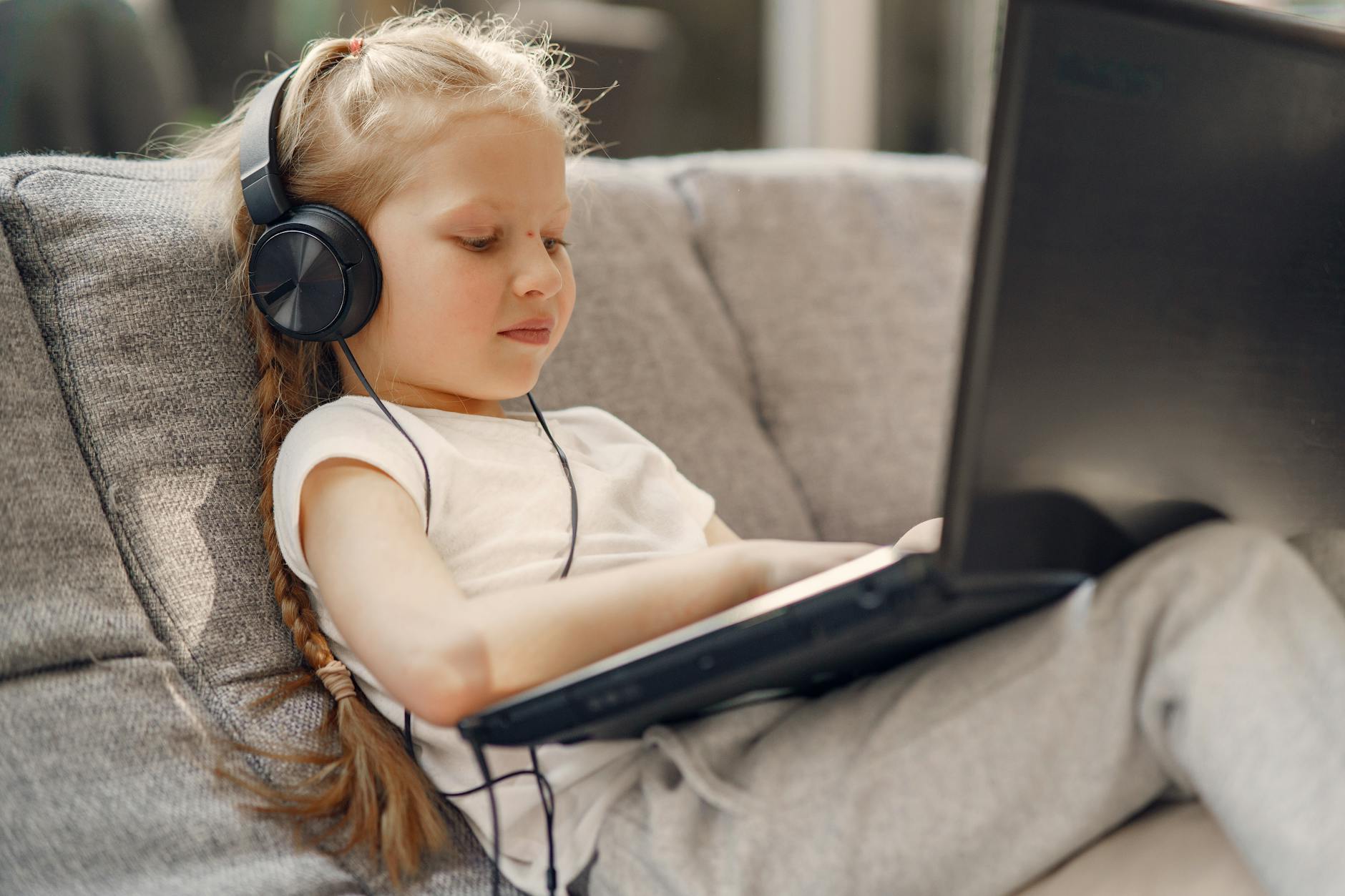
“Enforcing a ban on children takes away the responsibility on platforms to make social media safer. ” – Nicola Killean, Children and Young People’s Commissioner Scotland.
There has been a mixed reaction from Children’s organisations to the UK Labour Government’s plans to ban children and young people under the age of 16 from using social media sites. This follows a social media ban which was introduced in Australia.
From 10 December 2025, anyone under 16 in Australia was banned from keeping or making accounts on social media apps like TikTok, Instagram, YouTube, Snapchat, X, Facebook and more. The intention was to make social media safer for children and young people.
In its statement the UK Government confirmed that it “plans to use the same model for a social media ban as Australia. This would capture user-to-user platforms, whose purpose is to enable social interaction and which allow users to post material, alongside algorithms. The ban will therefore include platforms like Snapchat, TikTok, YouTube, Instagram, Facebook and X. We do not intend for messaging services like WhatsApp and Signal to be included in the social media ban.”
Responding to the UK Government announcement, Nicola Killean, Children and Young People’s Commissioner Scotland, said:

“We are disappointed that the UK Government has announced today [15 June] its intention to ban children under the age of 16 from social media. “
” This was a statement from the Prime Minister which spoke to adults only, not to the children and young people who will be most affected by these decisions.
“As part of the government’s consultation, we undertook a children’s rights impact assessment which found a social media ban for under-16s would not currently be a proportionate, effective, or enforceable way to protect children’s rights.
“Evidence shows that social media can expose children to serious risks, including harmful content, cyberbullying, manipulation, contact from strangers, exploitation and excessive use. However, it also shows that social media can play an important role in many children’s lives by supporting communication, self-expression, access to information, participation, play, and connection with communities and support networks.
“The available evidence does not currently show a blanket ban would make children safer online, and it may inadvertently push children to less regulated or riskier parts of the internet.
“The proposed ban could impact some groups of children more than others. Children in rural areas, children with family overseas, disabled children, and children who rely on online spaces for identity, support, or community may be particularly affected.
“Enforcing a ban on children takes away the responsibility on platforms to make social media safer.
“We want safeguards and the regulation of platforms to be strengthened – and enforced. Platforms must be made to take more accountability in preventing harm – addictive and exploitative features should be the focus. Platforms should change so they are suitable for children, rather than children simply being banned from them.
“Today’s announcement leaves more questions than answers. We know when a ban will happen, but not how or what it will include.
“The UK Government must urgently address children and young people directly.
“With the evidence from Australia showing that the majority of children are still on social media, children need to know that they can report harmful content without repercussions.
“They must not feel they are to blame and are doing something wrong. There is a real risk now that children will be driven to darker places on the internet and stop talking to adults about what they might see.”
The ban will not only affect children and young people under 16, but it will make it difficult for those aged 16 – 17, there are also future plans for social media curfews even for young people up to the age of 18.
In Australia , children and young people have their age estimated by uploading a photo/video of themselves, or by some other means of digital ID.
Will a ban improve online safety?
Children have rights – and one of those is to be able to participate in and benefit from social media – a technology they have been born into using.
Although they agree with the UK Government’s actions, the charity Children First admits that it won’t make things safer.
Mary Glasgow, Chief Executive, Children First said:
“Given children are likely to find ways around a ban, they will continue to be harmed unless tech companies are forced to implement changes to ensure their products are safe from the start.

“Bans on social media and smartphones in schools can begin to shift cultural norms, but they will not fix a system designed to maximise profit and ignore protection. The tech companies have addicted us all and we cannot expect children to change their behaviour, if the adults around them don’t. Parents and caregivers need support to model a new approach to screens and above all tech companies need to ensure safety by design and urgently develop platforms that are not addictive for anyone.
“Both the UK and Scottish governments must hold tech companies to account and drive a comprehensive public health response to digital harm. The commitment to invest in play, creativity and sport so children have meaningful alternatives to being online must be realised here in Scotland, as well as in other parts of the UK.
“Most importantly, every solution must be shaped by the voices of children and young people themselves. Childhood is being reshaped by technology. Both governments must act now to reclaim it, so every child in Scotland can grow up safe, happy and connected.”
On an interesting note – scroll down the UK Government statement and the two social media links it supports are Facebook, and X (Twitter). Two social media site, especially the latter, which have done more to spread disinformation, hate speech, and racist propaganda than any other sites. Also, sites that children and young people rarely use.


Leave a Reply