
Scrapping the two child benefit cap, free travel for children and young people on our interisland ferries, universal winter fuel payments for pensioners, and increased spending for NHS Scotland: – just some of the measures the SNP Scottish Government’s Draft Budget has announced. What’s in the detail and what’s the reaction to these funding announcements? Does it deliver what is needed ?

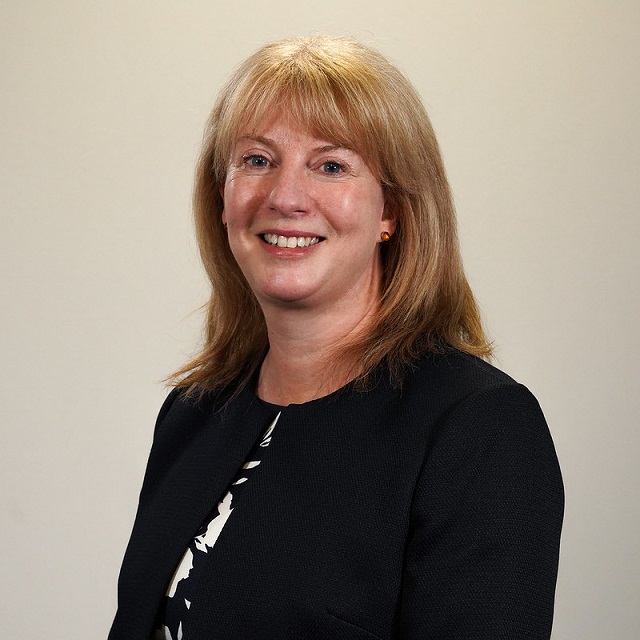
On Wednesday, 4th December Finance Secretary in the Scottish Government Shona Robison said “the government had listened and would now act on the priorities of people, businesses and organisations across the country – delivering progress for Scotland, by Scotland.”
The priorities set by the SNP Government are limited by the constraints of the Devolved settlement where the finances of Scotland are dictated by what comes back to the nation via the Barnett formula. If there is legislation passed by the UK Parliament on items not Devolved – for instance the Two Child Benefit Cap (aka The Rape Clause) – then if the Scottish Government wishes to mitigate those measures then that money has to be found out of the funding Scotland receives. Scotland also mitigates the Bedroom Tax (another UK measure ) . Every time Scotland uses its Budget to redress the inequalities produced in the UK Budget it significantly eats into the money that can be used to finance other measures for Scots.
Pensioners Universal Winter Fuel Payments
Universal winter fuel payments for Scotland’s pensioners has been called a “significant improvement for hundreds of thousands on low incomes who aren’t getting or entitled to Pension Credit, and would otherwise have had nothing” by Age Scotland. The organisation’s Policy Director, Adam Stachura, has also welcomed the increased spending for health and social care. The Draft Budget proposed a £2 billion increase in frontline NHS spending taking overall health and social care investment to £21 billion aimed at reducing NHS waiting lists.
Adam Stachura also wanted to see more funding to help Scots’ pensioners insulate their homes and upgrade their heating systems. And he added:
“We really hoped that the Scottish Government would use their Budget to take more action to tackle loneliness and isolation as it is a scourge on our society and has a huge impact on the nation’s health. There is much more for them to do here.”
Child Poverty
It is estimated that 15,000 children will be lifted out of poverty due to the Scottish Government’s measures to mitigate the Two Child Benefit Cap. Shona Robison told MSPs:
“Eradicating child poverty is our top priority. Policies such as the game-changing Scottish Child Payment. And, expanded funding for early learning and childcare. Action in the face of need.
“But we want to go further. This budget will invest almost £800 million more in social security benefits in 2025-26, putting money directly into people’s pockets, and ensuring benefits rise by inflation. We recognise also that having a warm, safe, affordable place to live is critical to tackling child poverty….That is why we are going to ramp up action on housing, investing £768 million in affordable homes.”
Mary Glasgow, chief executive at Children First, Scotland’s national children’s charity, was not impressed. She said:
“The promise of jam tomorrow, in the form of mitigating the UK two-child cap does nothing to alleviate the plight of thousands of children and families across Scotland who are going hungry today.
“We called on the Scottish Government to invest in early help and support for families and to increase the Scottish child payment. It is disappointing that they have chosen to delay investing in children rather than taking immediate action. Children can’t wait.”
Click on this link to access the benefits available in Scotland for Children and families
Affordable Housing
£768 million to provide 8,000 more affordable homes in Scotland has been given a cautious welcome by Places for People’s chief executive Greg Reed He commented that ” a worsening crisis sees every twentieth person awaiting a social home and where 10,000 children are stuck in temporary accommodation.”
And he continued:
“The SNP’s recent £1m investment in homelessness prevention, alongside a winter fuel allowance for pensioners, will provide a vital shot in the arm to Communities – but a focus on existing homes is also urgently needed. A current shortfall of £20m is preventing suitable adaptations to many homes – such as stairlifts and ramps – meaning too few properties meet Customers’ needs.
“At Places for People Scotland we work tirelessly to create, support and manage thriving Communities. Last year we built 430 homes, supported over 3,200 people with financial and digital inclusion, and helped 300 individuals who were homeless or at risk of being so. But with more support we can go further and faster.
“Housing in Scotland had taken two steps back but today makes a giant stride forward. This Government grasps the enormity of the challenge and we stand ready to work together to ensure everyone has a safe, suitable and quality home.”
Funding for Culture
Extra funding for Scotland’s cultural sector has been welcomed by Creative Scotland. In 2025/26, Creative Scotland’s draft Grant-in-Aid budget from the Scottish Government will be £80m, up from £51.4m in the previous year. Included in this is an additional £20m, specifically for use in supporting the Multi-Year Funding programme and an additional £2m to support delivery of Screen Scotland’s strategy.
Creative Scotland’s Chair, Robert Wilson, said:
“The major boost to Multi-Year Funding and other activities opens up wider opportunities, and we are grateful to the Scottish Government for this significant vote of confidence in Creative Scotland and the creative and culture sector.
“This is especially positive in the light of the long-term financial challenges the sector has been dealing with and will enable people and organisations to once again look forward with more confidence.”
Political Reactions
The Scottish Government will need the support of other political parties in the Scottish Parliament if the Draft Scottish Budget is to get passed. This may involve concessions and amendments made in order to get it accepted by the majority of MSPs.
In a statement issued by The Scottish Greens they stated “One thing is clear so far, big changes will be needed if they expect the Scottish Greens’ support. We are prepared to work with the SNP to make the improvements their budget needs and will continue to push for our top budget asks, including more free school meals, a bus fare cap and fair funding for council services.”
The Scottish Greens are unhappy at the cuts made to funding for some climate programmes like the Nature Restoration Fund, and for expanding the cycling network. They also wanted to see the expansion of free school meals for P6 and P7 and a £2 cap on bus fares.
£90 million has been earmarked for projects to protect, maintain and increase woodlands and peatlands, to restore more than 15,000 hectares of degraded peatland and ensure the creation of more than 11,000 hectares of woodland across Scotland.
In complete contrast SNP Highlands and Islands MSP Emma Roddick has said that the measures announced could be a game-changer in the fight against climate change. She highlighted that Scotland’s natural resources – like our wind, waves and tides – can be used to create clean energy and ditch fossil fuels for good, and investment in woodland creation and peatland restoration can continue to provide a carbon sink.
£4.9 billion is proposed to deal with the climate and nature crises in projects aimed at lowering emissions and energy bills, protecting the environment, and creating new jobs and opportunities in the renewables sector.
The LibDems have not confirmed their support for the Draft Scottish Budget despite it containing funding priorities they agree with. Scottish Liberal Democrat leader Alex Cole-Hamilton MSP said; “As in all budgets, the devil will be in the detail.”
Labour’s Increase to National Insurance
The Labour UK Government’s increase of employers’ national insurance contributions is estimated to take over £2 billion out of the Scottish economy next year. National Insurance is a tax controlled by the UK Government – the Devolved countries have no power over this and it will have very costly consequences across all sectors in Scotland.
The Secondary Threshold of National Insurance is currently set at £9,100 a year, and will be reduced to £5,000 a year. The Secondary Threshold of £5,000 a year will be in effect from 6 April 2025 until 5 April 2028. Thereafter the Secondary Threshold will be increased in line with Consumer Prices Index (CPI). The OBR (Office for Budget Responsibility) judged that the increase in costs to businesses would lead to lower wages and profits. Around 250,000 employers will see their Secondary Class 1 NICs liability decrease and around 940,000 will see it increase. Around 820,000 employers will see no change.
There will be further reaction to the Draft Scottish Budget as more of the financial measures are reflected upon but it is the tax implications and benefits controlled by the UK Government that will have critical consequences for how Scotland is able to deal with the continuing impact of leaving the EU, the world’s largest free trade market, on our food security and our ability to adapt to the climate crisis.

Fiona Grahame

Leave a Reply