
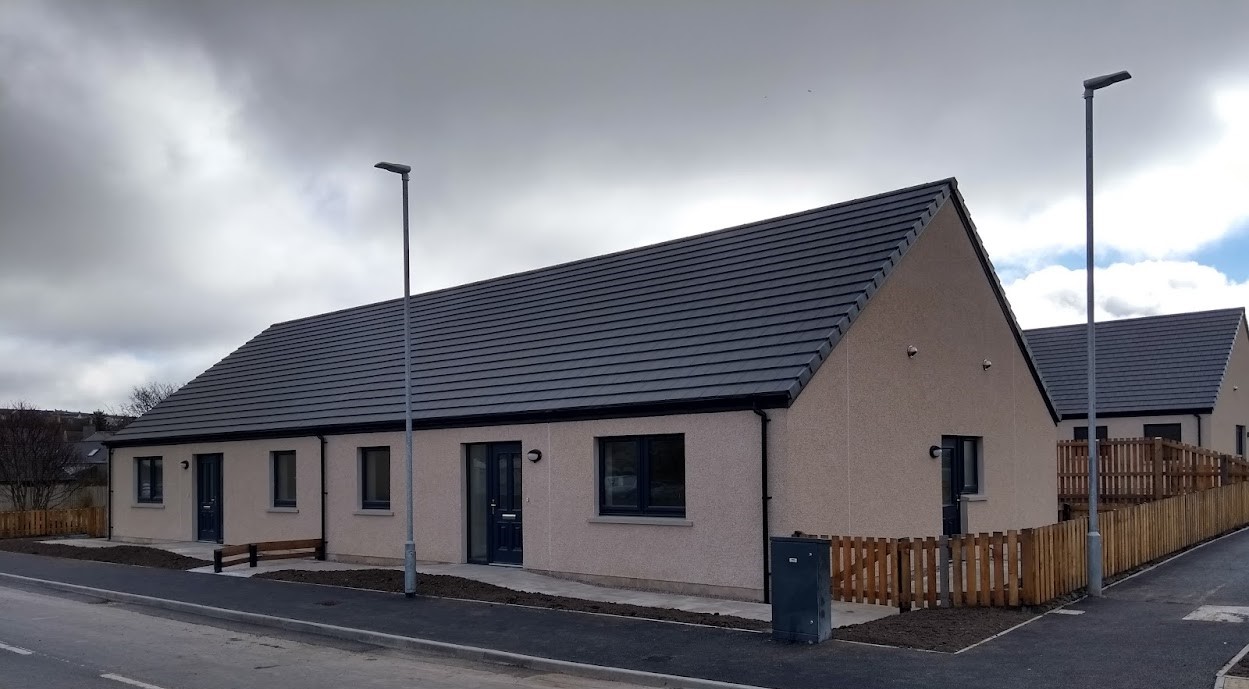
In Orkney there has been an increase in the number of homes which have been empty for 6 months or more – 344. The number of homes which have been empty for 1 year or more has also increased to 230.
Number of empty & second homes in Orkney – Figures from 2015 – 2024
| Year | Homes empty for 6+months | Homes empty for 12+months | Number of Unoccupied Council Tax Exemptions | Number of Second Homes |
| 2015 | 306 | 419 | 394 | |
| 2016 | 329 | 430 | 392 | |
| 2017 | 303 | 442 | 406 | |
| 2018 | 301 | 397 | 408 | |
| 2019 | 287 | 414 | 395 | |
| 2020 | 200 | 137 | 440 | 487 |
| 2021 | 188 | 127 | 458 | 426 |
| 2022 | 211 | 153 | 427 | 563 |
| 2023 | 252 | 201 | 399 | 474 |
| 2024 | 344 | 230 | 403 | 444 |
There could be a variety of different reasons for a house being empty, for example: inherited property; home owner moved away for work/study temporarily; unable to sell property; a second home etc.
In a time of a housing crisis, attempts to reduce the number of empty properties is not working when looked at over the longer term. The situation is actually worse than it was in 2015.
- Long Term Empty Properties: properties which have been empty for more than 6 months and are liable for council tax.
- Second Homes: homes which are furnished and lived in for at least 25 days in a 12 month period but not as someone’s main residence.
Over the same period, 2015- 2024, the number of second homes has also increased in Orkney. The number of unoccupied homes which have been granted an exemption from paying Council Tax has decreased slightly.
On the social media site Facebook there are regular postings from people seeking homes to rent in Orkney. Many of those are workers who have been offered employment in the islands, often in public services like the NHS.
There is a Housing Crisis.

Average house prices in the Orkney Islands have increased over time with Orkney’s mean house price of £216,638 now slightly higher than the Scottish average of £216,333 (2022/23) – OIC Local Housing Strategy.
The number of new houses completed in Orkney
- 2019/20: 77
- 2020/21: 57
- 2021/22: 127
- 2022/23 : 61
- 2023/24: 92
House completions in Orkney Private/Local Authority/Housing Association
| Year | Private | Local Authority | Housing Association |
| 2019/20 | 69 | 0 | 8 |
| 2020/21 | 57 | 0 | 0 |
| 2021/22 | 63 | 44 | 20 |
| 2022/23 | 55 | 0 | 6 |
| 2023/24 | 64 | 0 | 28 |
Orkney Islands Council estimates that the number of new houses which require to be built over the next 20 years is 1,837. If, however, more people come to live and work in Orkney that estimate increases to 3,214.
Orkney Islands Council consulted islanders via a survey in 2021/22 about what people wanted to see happening to the housing sector in order to deal with the shortage of affordable homes both to buy and to rent. Key themes were identified which the council said would be used to inform the Local Housing Strategy 2024/25:
- The need to reduce empty homes, second and holiday homes – this was the most common theme expressed across all responses.
- Increasing housing supply – including the need for different types and sizes of housing to meet a range of housing needs for individuals, families and starter homes.
- Quality of existing homes – highlighting the need for maintenance, and the need for focus on energy efficiency/fuel poverty especially in Council housing, and the lack of access to tradespeople for people who want to make repairs to their own homes
- Location – consultees argued that housing was needed across different locations/communities with some also noting that new development should be sustainable – in the right place for amenities, travel, and within communities.
- Key workers and local households – many noted the need for housing for key workers (including incoming workers), but with a similar strength of opinion around ensuring local resident’s housing needs are met.
Homelessness in Orkney
The OIC Local Housing Strategy states that: The level of homelessness applications and people found to be homeless or potentially homeless in Orkney has been fairly stable over the last five years. However, the number of people living in temporary accommodation rose to 72 households at March 2023 (52% increase on 2021/22) and the total requiring rehousing (including those living with family and friends) was 87 households.
Housing in Scotland
Nationally, in Scotland as a whole there were 21,606 second homes, 43,538 properties that had been empty for more than 6 months, of which, 73% (31,596) were categorised as long-term empty homes (i.e. empty for over 12 months) and 47,779 unoccupied exemptions which have generally been empty and unfurnished for less than 6 months.
The private sector built 15,056 homes and the social sector built 4,772 homes. There were 40,685 homelessness applications recorded in 2023-24. This is an increase of 4% compared to 2022-23 (39,308).
In Scotland 33,619 households were assessed as homeless: 38,075 adults, and 15,474 children.
Fiona Grahame


Leave a Reply