
Brexit trade barriers could impact Scotland’s economy by £4 billion. At 11pm on 31 December 2020, the transition period ended and the United Kingdom left the EU single market and customs union.

Leaving the EU took place after an advisory referendum and a narrow win by the Leave side by 52% to 48% for Remain. The result was not the same across the whole of the UK with Scotland voting 62% to Remain in , with only 38% to Leave.
In a new report published on Friday 31 January by the Office of the Chief Economic Advisor it examines the estimated economic cost from the reduction in trade alone – not counting changes to productivity, investment or migration.
Click on this link to access, Modelling impacts of free trade agreements on the Scottish economy
The report looks at what was put in place instead of being a member of the largest free trade market in the world.
The trade agreements covered in the analysis include Australia, India, Switzerland, Türkiye, and the UK–EU Trade and Cooperation (TCA) agreement.
As the UK is no longer a member of the EU there are trade barriers, which of course when it was a member it did not have.
Scotland’s Economy has taken a massive blow with GDP (Gross Domestic Product) £4billion lower – with the four non-EU trade agreements increasing Scotland’s GDP by only £0.4 billion. Every part of the Scottish economy is affected, ” a large negative economic shock for all sectors of the Scottish economy.”
Because the report has limited itself to only reflect changes in trade barriers and do not account for any other channels of impact such as changes in productivity or investment the impact of Brext on Scotland’s economy may be even more devastating.
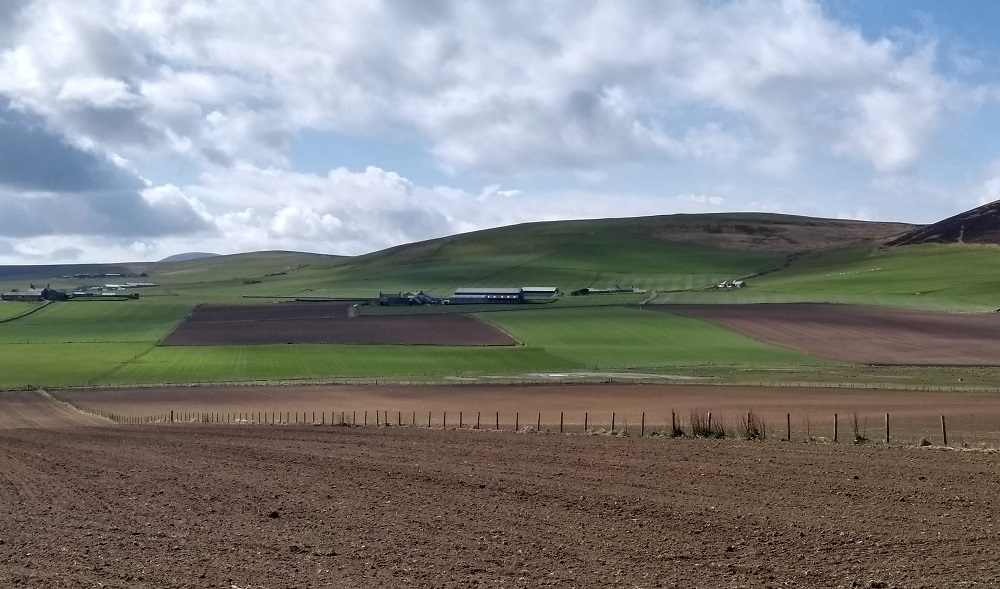
Farming and the production of Food and Drink is one of the sectors significantly impacted by the UK leaving the world’s largest Free Trade Area.
This is particularly so for Orkney with its farm production of grass fed beef.
“A 2022 impact assessment by the Department for International Trade in the UK Government also analysed the impact of the FTA with Australia. It estimated reduction in gross output of around 3% and 5% for Beef and Sheepmeat respectively.”
The chemical and pharmaceutical sector is estimated to be one of the hardest hit by post-Brexit trade barriers. That means increased costs of medicines, including veterinary ones.
In its summing up the report states:
“These findings reinforce the generally accepted picture that reducing barriers to trade can lead to greater economic prosperity and increasing barriers can harm the economy, while also highlighting that all sectors and participants in the economy are unlikely to be affected equally. “
Revealed comparative advantage by sector (Scotland, the UK, Australia, India, Switzerland, Türkiye, and EU27)
Comparative advantage is an important concept in international trade. A country is said to have a comparative advantage in a given sector if it can produce products in that sector at a lower cost than other countries. In theory, one would then expect countries to produce more of products in which they have a comparative advantage and import products where they do not have an advantage. This table illustrates the comparative advantage each sector has in Scotland compared to the UK and the countries with trade agreements discussed in the report.
| Industry sector | Scotland | UK | AUS | IND | CHE | TUR | EU27 |
|---|---|---|---|---|---|---|---|
| Agriculture, forestry, fishing | 0.04 | -0.56 | 0.40 | 0.16 | -0.89 | 0.24 | -0.37 |
| Mining & quarrying | 0.66 | -0.17 | 0.85 | -0.48 | -0.95 | -0.24 | -0.77 |
| Food and beverages | 0.56 | -0.10 | 0.22 | 0.04 | -0.22 | -0.07 | 0.07 |
| Textiles, clothes, leather | -0.29 | -0.47 | -0.89 | 0.58 | -0.66 | 0.68 | -0.17 |
| Wood, paper, printing | -0.39 | -0.33 | -0.41 | -0.66 | -0.50 | -0.39 | -0.02 |
| Coke, refined petroleum, chemicals | -0.36 | -0.12 | -0.63 | 0.25 | -0.22 | -0.37 | -0.05 |
| Pharmaceuticals | -0.52 | -0.01 | -0.60 | 0.19 | 0.65 | -0.69 | 0.35 |
| Rubber, plastic, non-metallic minerals | -0.25 | -0.29 | -0.89 | -0.12 | -0.38 | 0.27 | -0.09 |
| Metals, fabricated metal, exc machinery | -0.52 | -0.03 | 0.14 | 0.03 | 0.38 | 0.25 | -0.14 |
| Computer, electronic, optical | -0.48 | -0.46 | -0.81 | -0.74 | -0.07 | -0.73 | -0.28 |
| Electrical equipment | -0.69 | -0.45 | -0.89 | -0.30 | -0.28 | 0.13 | -0.10 |
| Machinery and other equipment | -0.36 | -0.20 | -0.84 | -0.22 | -0.05 | -0.19 | 0.13 |
| Transport equipment | -0.56 | -0.01 | -0.92 | -0.40 | -0.77 | 0.31 | 0.07 |
| Furniture, other manuf., Repair, installation | -0.69 | -0.35 | -0.51 | 0.45 | 0.15 | -0.23 | 0.01 |
| Utilities | -0.69 | -0.54 | -0.99 | -1.00 | 0.07 | -0.46 | -0.06 |
| Construction | 0.51 | 0.18 | -0.61 | -0.17 | -0.25 | 0.52 | 0.20 |
| Wholesale and retail, | -0.44 | 0.37 | -0.72 | -0.13 | 0.22 | -0.08 | -0.01 |
| Transportation, storage | -0.07 | 0.06 | -0.53 | -0.48 | -0.06 | 0.11 | 0.19 |
| Accommodation, food services | 0.01 | -0.04 | -0.32 | -0.34 | -0.13 | 0.16 | 0.01 |
| Information and communication | 0.24 | 0.30 | -0.42 | 0.58 | 0.18 | -0.77 | 0.23 |
| Financial and insurance | 0.56 | 0.67 | -0.45 | -0.65 | 0.33 | -0.77 | 0.09 |
| Professional, scientific, tech., admin., support | 0.30 | 0.50 | -0.41 | 0.27 | 0.03 | -0.62 | 0.19 |
| Education | 0.68 | 0.24 | -0.31 | -0.67 | -0.65 | -0.82 | -0.35 |
| Other services | 0.75 | 0.30 | -0.81 | -0.22 | 0.08 | 0.30 | 0.03 |
Comparative advantage is usually measured in opportunity costs, or the value of the alternative goods that could be produced with the same resources. This is then compared with the opportunity costs of another economic actor to produce the same goods.
The theory of comparative advantage helps to explain why protectionism is typically unsuccessful. Adherents to this analytical approach believe that countries engaged in international trade will have already worked toward finding partners with comparative advantages.
Business Minister in the Scottish Government Richard Lochhead said:
“These new figures highlight the urgent need to change course to boost the economy and increase public revenue for the NHS.
“This is the latest in a long line of studies highlighting how badly Brexit continues to impact Scotland and should cause the UK Government to consider its approach to economic growth.
“The Scottish Government has been clear that Scotland’s place is in the EU and the huge European single market. But we are also a voice for greater co-operation with the EU right now and we urge the new UK Government to forge a much closer relationship with our fellow Europeans.”

Fiona Grahame


Leave a Reply