
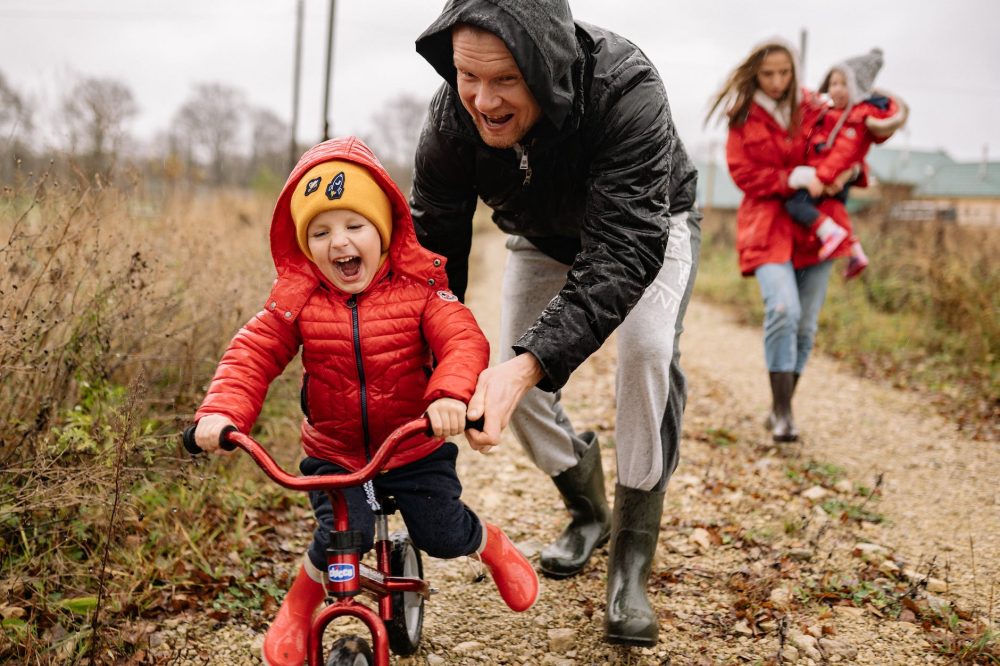
39% of Adults in Scotland have a health condition which limits what they can do. In Orkney that figure is 43%.
The Scottish Health Survey is a key set of data which gives a picture of the general health and well being of adults at the time the information was collected.
After the Covid pandemic of 2020 many people have been left with ongoing conditions affecting their way of life. According to the survey long term conditions arising from the Covid virus is limiting the lives of 7% of people. However, many people may not realise that their condition was the result of the Covid virus so this figure of 7% is the one which is verifiable.
Poverty is a prime factor in health and wellbeing. It limits what foods people can afford to buy, and the high cost of energy bills adds further to that because of the cost of cooking.
8% of people in Orkney face food insecurity – they often have to rely on Foodbanks and other sources to be able to eat. In Scotland the figure is also 8%, that is down from 14% last year, 2023.
Food insecurity affects diet and mental wellbeing with the constant worry of not being able to feed your family or yourself. As a result people opt for cheaper foods which are less nutritious but which will bulk out the meal.
Worryingly the number of people who are eating the recommended requirement of fresh fruit and vegetables of five portions or more per day was the lowest since the data was recorded in 2003.

This is not because of ignorance about the need to eat 5 portions at least a day, or that they would rather eat fatty foods – this is because people are having to make choices – between eating and heating – and what they can afford to buy.
All of this has wider implications for obesity levels and other health conditions including mental health – i.e. feeling good about yourself.
There are positives to take from the Health Survey. 62% of people are taking a good amount of physical exercise, although that plummets to 50% in the most deprived areas of Scotland. In Orkney the level is 63% just above the Scottish average.
Schools are doing well providing children with physical activities, however, there has been a steady increase in time spent on sedentary leisure activities recorded for children since 2013 with weekdays ranging from 3.3 – 3.8 hours, and weekends ranging from 4.4 – 5.2 hours on average.
The number of adults who smoke continues its downward trend but this is balanced out with the number switching to e-cigarettes/vaping. Smoking was banned in most enclosed public places in Scotland in 2006 and the difference was immediately noticeable.
The consumption of alcohol at levels hazardous to health has also continued to decline, although it is still recorded at 20%. The highest levels are recorded for those aged 55-64 (28%).
For smoking and alcohol consumption people who are living in the well off areas record the lowest levels. Folk with poorer housing and concerns about paying bills, have the highest levels of both smoking and alcohol. These are also the areas where people report the highest levels of mental illness and depression.
First Minister of Scotland, John Swinney, has made tackling child poverty a priority for the SNP Government. Scotland has a range of measures to support struggling families:
Click on this link for information on Benefits : Social Security Scotland.
There are also Five Family Payments:
Scottish Child Payment – £108.80 every four weeks to help towards the costs of looking after each child under 16 for families who get certain benefits
Best Start Grant Pregnancy and Baby Payment – one off payment of up to £767.50 from 24 weeks in pregnancy up until a baby turns 6 months for families who get certain benefits.
Best Start Grant Early Learning Payment – one off payment of £319.80 when a child is between two and three years and six months for families who get certain benefits.
Best Start Grant School Age Payment – one off payment of £319.80 when a child would normally start primary one for families who get certain benefits.
Best Start Foods – a pre-paid card from pregnancy up to when a child turns three for families on certain benefits to help buy healthy food
The Scottish Government is investing £99 million in Discretionary Housing Payments (DHPs) this financial year to help thousands of households struggling to afford housing costs in Scotland. The payments are funded by the Scottish Government and paid out by local authorities, the DHP scheme is designed to provide financial support to low-income households, delivering vital action to reduce poverty, safeguard tenancies and prevent homelessness. The payments, are primarily used to help people affected by the UK Government’s under-occupancy charge (‘bedroom tax’) and benefit cap.
Child poverty levels in Scotland are falling but what the Scottish Government can do is provide sticking plasters over a UK system which is set on cutting back welfare payments and making it harder for those who need that support to successfully apply.

Fiona Grahame
Leave a Reply