
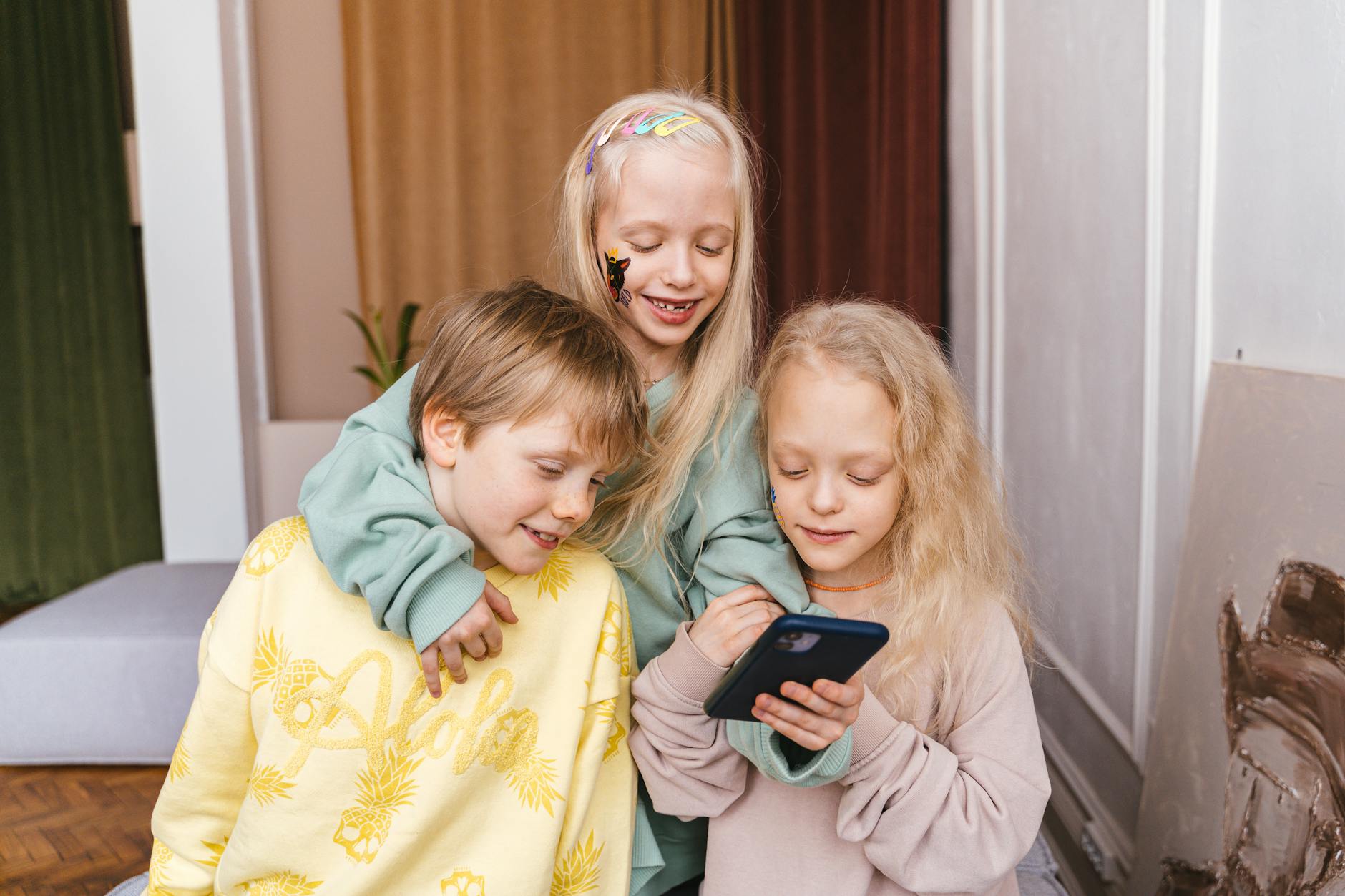
A social media ban for under-16s would not be a proportionate, effective, or enforceable way to currently protect children’s rights, according to the Children and Young People’s Commissioner Scotland.
Commissioner Nicola Killean argues that the available evidence does not show a blanket ban would make children safer online, and may inadvertently push children to less regulated or riskier parts of the internet. She wants existing safeguards to be strengthened, and platforms to take more accountability in preventing harm.
On Thursday, 28 May, The Orkney News published a report by Children First, Scotland’s national children’s charity, warning that ‘Scotland risks sleepwalking into the digital destruction of childhood.’
Commissioner Nicola Killean has responded to the UK Government’s Growing Up In The Online World’s national consultation, which looks at measures including a minimum age for children to access social media.

The Commissioner’s office undertook a children’s rights impact assessment (CRIA) which considered how the UK Government’s proposals might affect the rights of children and young people, both positively and negatively. The CRIA considered the international rights framework and current published evidence.
The office also worked with their Young Advisors – a group of children aged 12-17 from all over Scotland – to inform their response.
Ms Killean said:
“Evidence shows that social media can expose children to serious risks, including harmful content, cyberbullying, manipulation, contact from strangers, exploitation and excessive use.
“However, it also shows that social media can play an important role in many children’s lives by supporting communication, self-expression, access to information, participation, play, and connection with communities and support networks.
“Using a children’s rights impact assessment allows us to take a rights-based approach to the current evidence. The evidence so far on bans is limited, mixed, and still emerging.
“Blanket restrictions can risk shifting responsibility away from platforms and onto children. A ban does little to address underlying issues such as exploitative algorithms, and business models that drive harmful content and engagement.”
The Commissioner warned that the proposed ban could impact some groups of children more than others. Children in rural areas, children with family overseas, disabled children, and children who rely on online spaces for identity, support, or community may be particularly affected.
In the consultation, the Young Advisors recognise the advantages and disadvantages of social media. One says: “Social media is really good at allowing people to meet with similar interests to them which might not be popular in their community.”
Another adds: “I found social media easy to see content that’s not suitable for people my age and for younger groups.”
Ms Killean has made a series of recommendations in her submission, including:
- maintain and strengthen rights protections for all children under 18 – any new age threshold must not weaken existing safeguards
- prioritise platform design and accountability over banning children
- consider restrictions focused on specific harmful features or functionalities which may be more effective and rights-compliant than a blanket access ban
- develop age-appropriate protections that reflect children’s evolving capacities, recognising differences in age, maturity, and levels of risk across services and features, and
- meaningfully involving children and young people in policy development in this area.
Click on this link to access, the response to the UK Government’s ‘Growing up in the online world: a national consultation.’



Leave a Reply